
- /
- Destinations
- Agra Travel Guide
Agra Travel Guide
Agra Travel Guide, Tourist Attractions & Tours
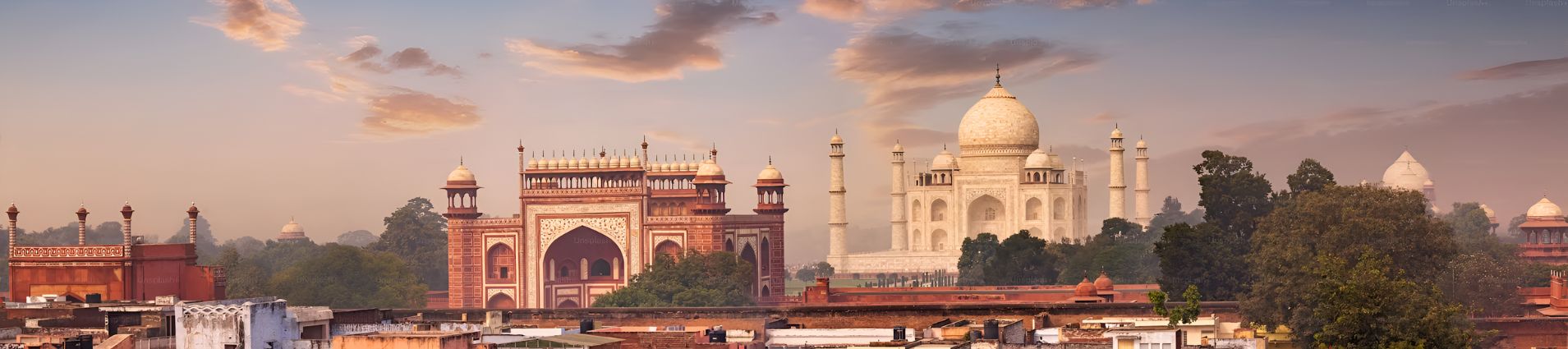
Agra is one of India's most celebrated historical cities, recognised around the world as the home of the Taj Mahal. Situated on the banks of the Yamuna River in the northern state of Uttar Pradesh, the city served as the capital of the Mughal Empire during the sixteenth and seventeenth centuries. During this period, some of India's greatest architectural masterpieces were constructed, transforming Agra into one of the most important centres of art, culture and royal administration in South Asia. Today, its remarkable monuments continue to attract millions of visitors from every corner of the world.
While the Taj Mahal remains Agra's defining landmark, the city's historical significance extends far beyond a single monument. Grand forts, royal mausoleums, beautifully designed gardens and centuries-old marketplaces preserve the legacy of the Mughal emperors who ruled much of the Indian subcontinent. Every monument reflects extraordinary craftsmanship through intricate marble inlay work, finely carved sandstone, elegant domes and decorative calligraphy that continue to impress architects, historians and travellers alike.
Agra forms an essential part of India's famous Golden Triangle tourist circuit alongside Delhi and Jaipur, making it one of the country's most visited destinations. Excellent road and rail connections allow travellers to combine these three historic cities within a single itinerary while experiencing the remarkable diversity of North India's cultural heritage. Whether visiting for a day or spending several nights, Agra offers an exceptional blend of history, architecture, local traditions and luxury hospitality.
Beyond its famous monuments, Agra remains a vibrant city where traditional craftsmanship continues to flourish. Skilled artisans still produce the delicate marble inlay work that made the Mughal Empire famous, while local workshops specialise in leather goods, carpets, embroidery and handcrafted souvenirs. Bustling bazaars, family-run sweet shops and traditional restaurants provide visitors with an authentic introduction to the city's everyday life and culinary heritage, preserving customs that have been passed down through generations.
Luxury travellers are equally well served with a selection of internationally recognised hotels, several offering uninterrupted views of the Taj Mahal. Fine dining restaurants, private guided tours, sunrise visits to historical monuments and carefully curated cultural experiences allow visitors to appreciate Agra's heritage in comfort and style. Whether your interest lies in Mughal history, architectural photography, local craftsmanship or refined hospitality, Agra remains one of India's most rewarding destinations and an unforgettable highlight of any journey through the country.
Related Tours
 06 Nights / 07 Days
 05 Nights / 06 Days
 10 Nights / 11 Days
 10 Nights / 11 Days
Major Tourist Spots in Agra Travel Guide
Taj Mahal
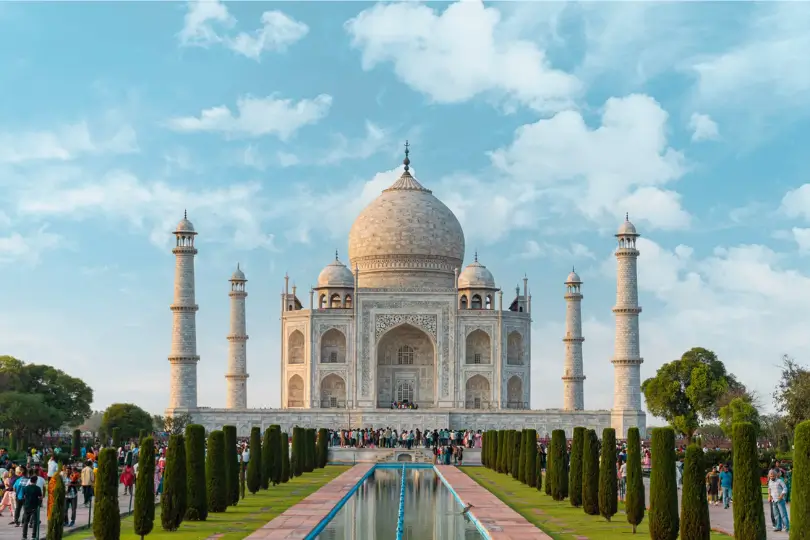
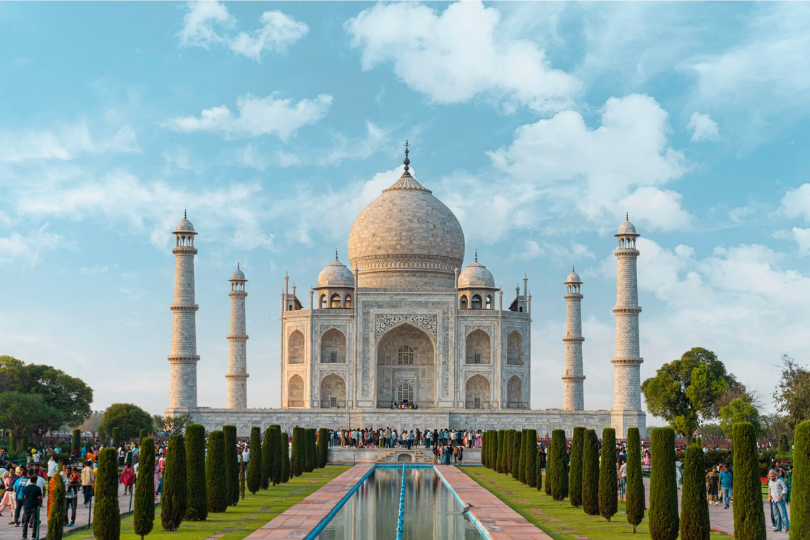
The Taj Mahal is India's most celebrated monument and one of the greatest architectural masterpieces ever created. Commissioned by the Mughal Emperor Shah Jahan in 1632 in memory of his beloved wife Mumtaz Mahal, the monument took more than twenty years to complete with the work of thousands of skilled craftsmen, architects and artisans from across Asia. Constructed entirely from white Makrana marble, the mausoleum stands as a symbol of love, artistic excellence and the remarkable achievements of Mughal architecture. In 1983, the Taj Mahal was recognised as a UNESCO World Heritage Site and today it is counted among the New Seven Wonders of the World.
The monument is admired for its perfect symmetry, elegant domes, finely carved marble screens, semi-precious stone inlay work and beautifully inscribed verses from the Holy Quran. Every element of the complex, from the grand entrance gateway to the reflecting pools and formal Mughal gardens, was carefully designed to create harmony and balance. As sunlight changes throughout the day, the white marble gradually shifts in colour from soft pink at sunrise to brilliant white during the afternoon and a gentle golden glow at sunset, making every visit unique.
A sunrise visit is widely regarded as the finest way to experience the Taj Mahal, when the atmosphere is peaceful and the early morning light beautifully illuminates the marble façade. Sunset views are equally memorable, particularly from across the Yamuna River at Mehtab Bagh. For travellers visiting India, the Taj Mahal remains an unforgettable highlight and one of the world's most admired cultural treasures.
Opening Hours: Daily from Sunrise to Sunset. Closed every Friday for general visitors (open only for prayers).
Agra Fort
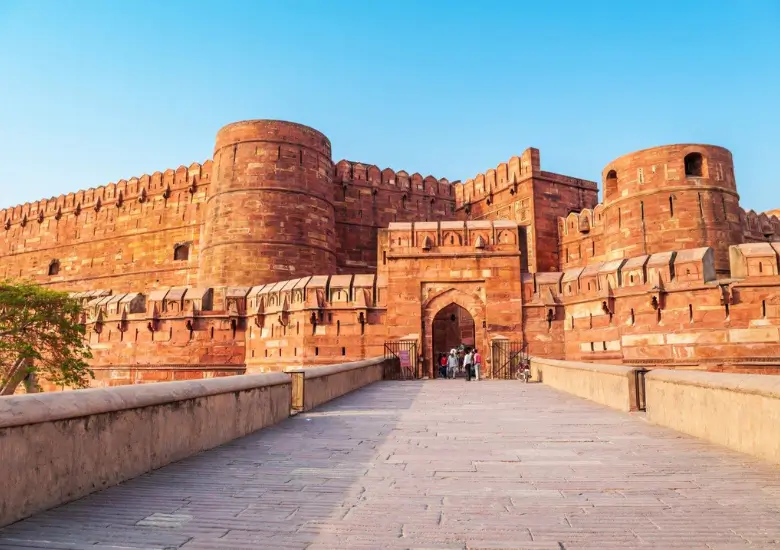
Located just a few kilometres from the Taj Mahal, Agra Fort is one of India's largest and most impressive Mughal fortresses. Built by Emperor Akbar in 1565 and later expanded by his successors, the massive red sandstone fort served as the principal residence of the Mughal emperors for several generations. Protected by enormous defensive walls extending over two kilometres, the fort functioned as both a military stronghold and an elaborate royal palace. Its outstanding historical importance earned it recognition as a UNESCO World Heritage Site.
Inside the fort, visitors can explore a remarkable collection of royal buildings including Jahangiri Mahal, Khas Mahal, Musamman Burj, Diwan-i-Aam, Diwan-i-Khas and beautifully landscaped courtyards. The combination of red sandstone and white marble architecture reflects the changing artistic styles introduced by different Mughal rulers. Delicate carvings, marble pavilions, ornamental gardens and elegant audience halls provide valuable insight into the grandeur of imperial life during the Mughal period.
One of the fort's most significant locations is Musamman Burj, where Emperor Shah Jahan spent the final years of his life after being imprisoned by his son Aurangzeb. From this marble pavilion, the emperor is believed to have spent his days looking across the Yamuna River towards the Taj Mahal. This powerful historical connection makes Agra Fort one of the city's most meaningful monuments and an essential part of every visit.
Opening Hours: Daily, 6:00 AM – 6:00 PM.
Itmad-ud-Daulah (Baby Taj)
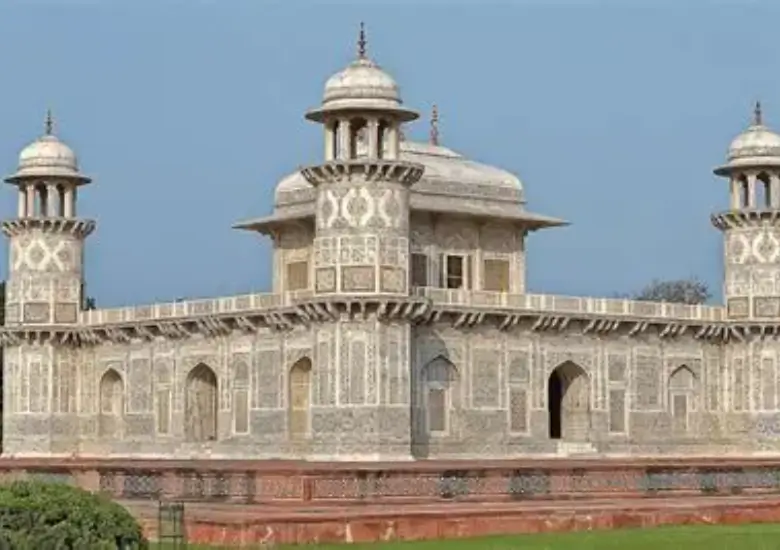
Often referred to as the "Baby Taj," the Tomb of Itmad-ud-Daulah is considered one of the finest examples of early Mughal architecture and an important predecessor to the Taj Mahal. Commissioned by Empress Nur Jahan in 1622 in memory of her father, Mirza Ghiyas Beg, the monument introduced many architectural elements that were later perfected in the construction of the Taj Mahal, including delicate marble inlay work, lattice screens and elegant Persian-inspired gardens.
Unlike the grand scale of the Taj Mahal, this monument offers a more intimate setting where visitors can closely admire the intricate craftsmanship. The walls are decorated with colourful semi-precious stones, floral patterns and geometric designs that remain remarkably well preserved. Set beside the Yamuna River, the peaceful gardens surrounding the tomb create a calm atmosphere away from the larger crowds found at Agra's more famous attractions.
Because of its historical importance and exceptional artistry, Itmad-ud-Daulah is highly recommended for visitors interested in understanding the evolution of Mughal architecture. Its elegant proportions, refined decoration and tranquil surroundings make it one of Agra's hidden architectural treasures.
Opening Hours: Daily, 6:00 AM – 6:00 PM.
Mehtab Bagh
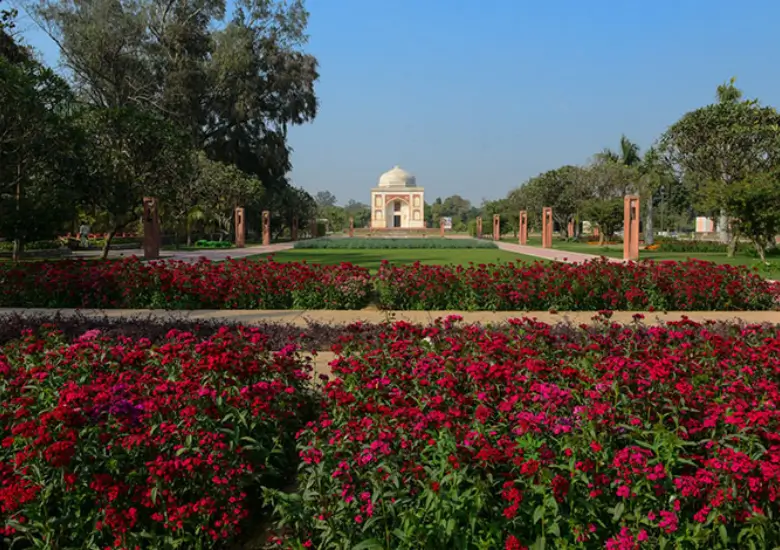
Situated on the opposite bank of the Yamuna River, Mehtab Bagh is one of the finest locations for uninterrupted views of the Taj Mahal. Originally laid out during the reign of Emperor Babur and later redesigned under Shah Jahan, the garden formed part of the Mughal riverfront landscape that once stretched along the banks of the Yamuna. Its perfectly aligned pathways and gardens were planned to complement the Taj Mahal, creating a balanced architectural composition across the river.
Today, Mehtab Bagh is especially popular with photographers and visitors wishing to admire the Taj Mahal away from the larger crowds surrounding the main monument. The peaceful gardens provide an entirely different perspective of the marble mausoleum, particularly during sunset when the changing light reflects beautifully on the white marble. Seasonal flowers, tree-lined walkways and landscaped lawns create a relaxing atmosphere for leisurely walks.
The garden is also an excellent location for photography, offering one of the few places where the entire Taj Mahal can be viewed without obstruction. For visitors seeking a quieter experience while appreciating one of the world's greatest monuments, Mehtab Bagh is a highly recommended stop.
Opening Hours: Daily, 6:00 AM – 6:00 PM
Akbar's Tomb (Sikandra)
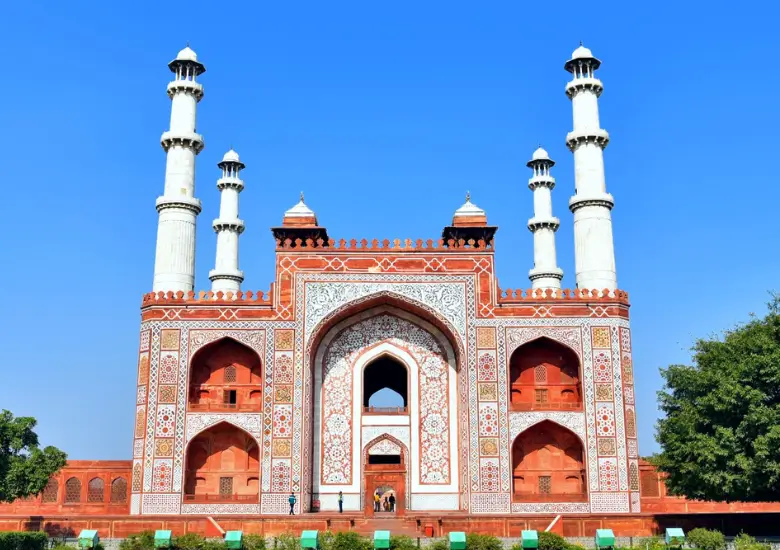
Located in the suburb of Sikandra, Akbar's Tomb is the final resting place of Emperor Akbar the Great, one of the most influential rulers of the Mughal Empire. Construction of the monument began under Akbar himself and was completed by his son Emperor Jahangir in 1613. The tomb stands within a vast landscaped garden where deer, peacocks and other wildlife are often seen, creating a peaceful setting that differs from Agra's bustling city centre.
Built primarily from red sandstone with elegant marble decoration, the monument combines Mughal, Persian, Hindu and Islamic architectural influences. Intricately carved gateways, geometric patterns, decorative calligraphy and beautifully designed gardens reflect Akbar's vision of cultural harmony and artistic excellence. Unlike many Mughal mausoleums, the structure follows a unique pyramidal design that distinguishes it from other monuments of the period.
The tranquil surroundings, historical importance and remarkable architecture make Akbar's Tomb one of Agra's most rewarding heritage attractions. Visitors interested in Mughal history often include Sikandra alongside the Taj Mahal and Agra Fort for a more complete understanding of the empire's architectural legacy.
Opening Hours: Daily, 6:00 AM – 6:00 PM.
Kinari Bazaar
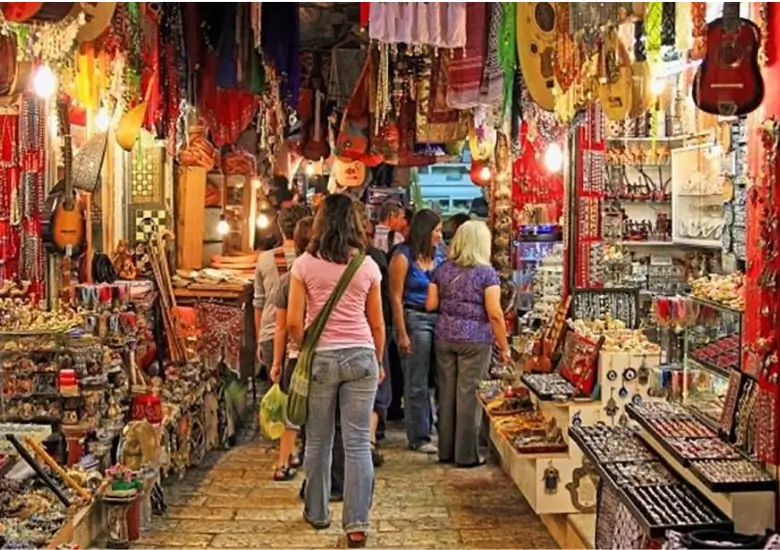
Kinari Bazaar is one of Agra's oldest and busiest traditional markets, located close to Jama Masjid and within walking distance of Agra Fort. For generations, the market has been known for its colourful atmosphere and its wide selection of handicrafts, textiles, jewellery, decorative items and wedding accessories. Narrow streets lined with traditional shops continue to preserve the character of old Mughal Agra while offering visitors an authentic local shopping experience.
The market is particularly famous for marble souvenirs inspired by the Taj Mahal, handcrafted leather products, embroidered fabrics, brassware and traditional Indian garments. Many family-owned businesses have operated here for decades, continuing skills that have been passed from one generation to the next. Visitors can also purchase miniature marble replicas, handmade carpets and locally produced handicrafts that reflect Agra's artistic traditions.
Beyond shopping, Kinari Bazaar offers an excellent opportunity to observe everyday life in the historic city. Street vendors, local sweet shops, spice merchants and traditional snack stalls create a lively environment throughout the day, making the market an enjoyable place to explore after visiting Agra's historic monuments.
Best Time to Visit: Daily, generally between 10:00 AM and 8:00 PM.
Sadar Bazaar
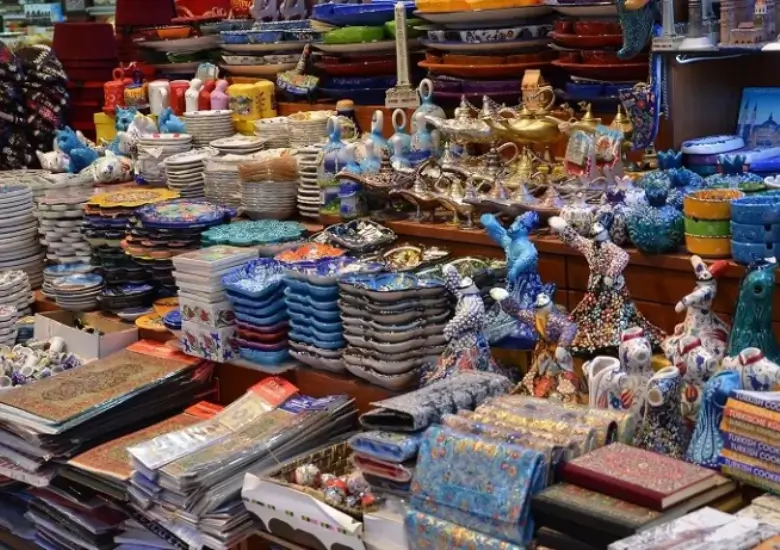
Sadar Bazaar is one of Agra's most popular shopping and dining districts, attracting both local residents and visitors looking for souvenirs, leather goods, handicrafts and regional specialities. Compared with the narrow streets of the old city, the market offers wider roads, organised shops and a relaxed atmosphere that makes shopping more comfortable.
The area is especially well known for quality leather products, handcrafted footwear, marble inlay work, textiles and decorative items. Numerous cafés, restaurants and sweet shops also line the market, allowing visitors to sample Agra's famous local delicacies while browsing through a variety of traditional products. During the evening, the market becomes particularly lively as families and tourists gather to shop and dine.
Its convenient location and wide variety of shops make Sadar Bazaar one of the best places in Agra to purchase authentic souvenirs before continuing a journey through India's Golden Triangle.
Best Time to Visit: Daily, approximately 11:00 AM – 10:00 PM.
Mohabbat The Taj Show
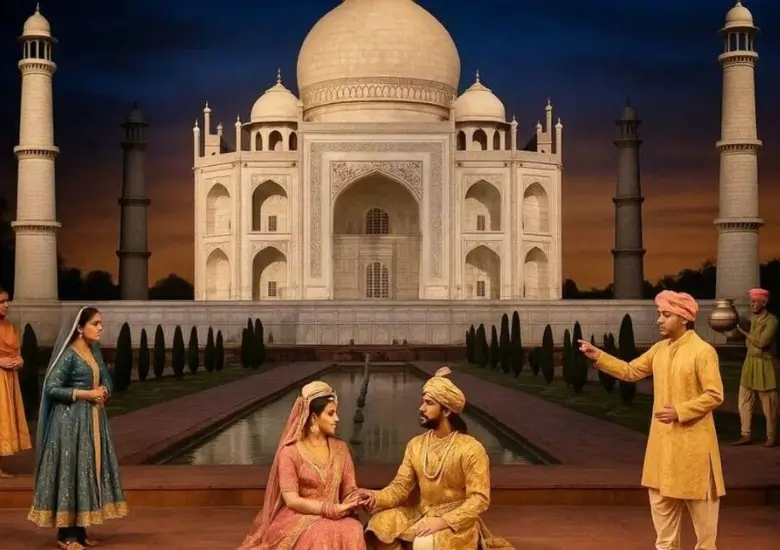
Mohabbat The Taj is Agra's most popular cultural theatre production, presenting the story behind the construction of the Taj Mahal through music, dance and dramatic performances. Staged at the Kalakriti Cultural and Convention Centre, the production portrays the love story of Emperor Shah Jahan and Mumtaz Mahal while introducing audiences to the grandeur of the Mughal Empire. Colourful costumes, elaborate stage sets and traditional choreography make it one of the city's most entertaining evening attractions.
The performance combines classical Indian dance, live music and theatrical storytelling with modern lighting and visual effects, making it enjoyable for visitors of all ages. A highlight of the show is the impressive replica of the Taj Mahal, crafted with imitation marble and decorative stones to reflect the beauty of the original monument. English-language narration helps international travellers follow the historical storyline with ease.
For visitors wishing to conclude a day of sightseeing with a cultural performance, Mohabbat The Taj offers an enjoyable introduction to Mughal history and the romance associated with India's most famous monument.
Show Timings: Usually 6:30 PM and 8:30 PM (timings may vary by season).
Marble Inlay Art
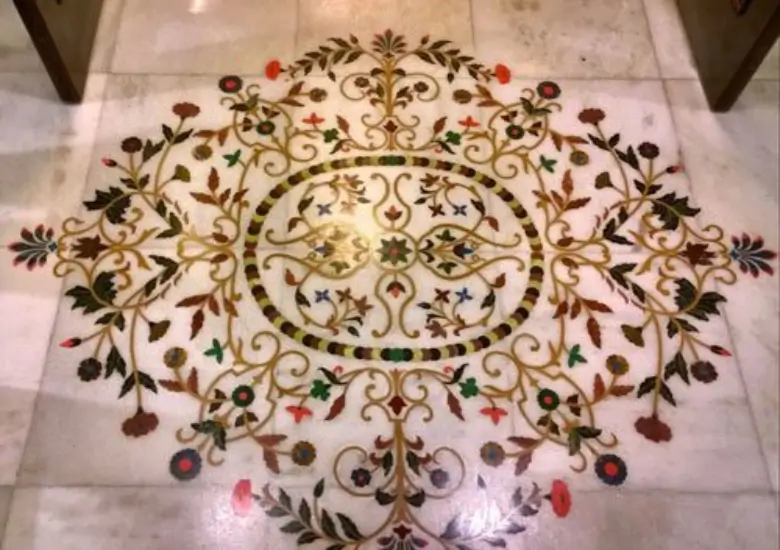
Agra has been renowned for its marble inlay craftsmanship for more than four centuries, a tradition that flourished during the construction of the Taj Mahal. Known locally as Pietra Dura or Parchin Kari, this intricate art involves carefully embedding semi-precious stones into polished marble to create delicate floral and geometric patterns. The same technique used on the Taj Mahal continues to be practised by skilled artisan families whose expertise has been passed down through generations.
Visitors can watch craftsmen shape tiny pieces of lapis lazuli, malachite, turquoise, onyx, jasper and other natural stones before fitting them precisely into white marble by hand. The level of patience and precision required makes each finished piece a remarkable work of art. Workshops across Agra produce tabletops, decorative boxes, coasters, vases and miniature replicas of the Taj Mahal using these traditional methods.
Purchasing marble inlay work directly from reputable artisan workshops not only provides an authentic souvenir but also supports families who continue to preserve one of India's most celebrated artistic traditions. Demonstrations are available at several government-recognised workshops, allowing visitors to appreciate the craftsmanship behind this centuries-old heritage.
Mughlai Cuisine
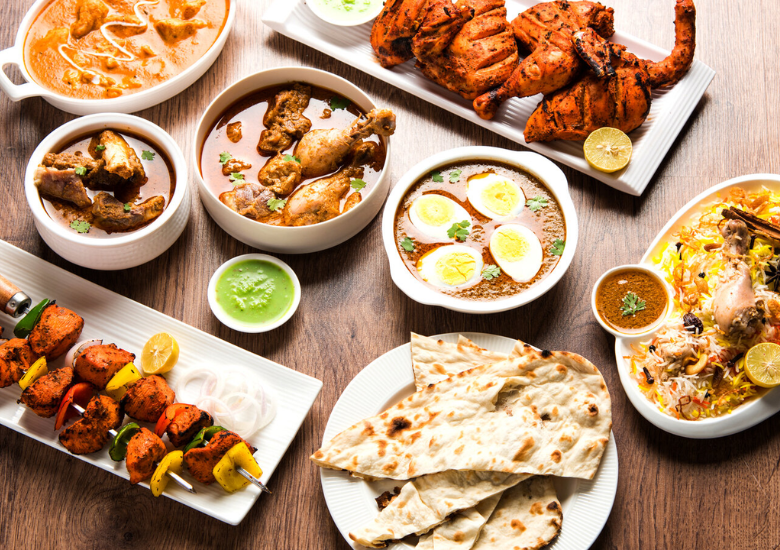
Agra's culinary traditions are deeply influenced by the royal kitchens of the Mughal Empire, making the city an excellent destination for travellers interested in North Indian cuisine. Rich aromatic gravies, slow-cooked meats, freshly baked breads and delicately balanced spices continue to define many of the city's signature dishes. Popular specialities include Mughlai Chicken, Mutton Korma, Seekh Kebabs, Butter Chicken, Biryani and a variety of traditional vegetarian dishes served with freshly prepared naan and tandoori breads.
No visit to Agra is complete without tasting the city's famous Agra Petha, a translucent sweet made from ash gourd that has been a local speciality for generations. Other popular treats include Dalmoth, a spicy savoury snack, and freshly prepared Bedai with Aloo Sabzi, commonly enjoyed as a traditional breakfast. Historic restaurants, family-run eateries and luxury hotel dining rooms all offer opportunities to experience Agra's rich culinary heritage.
Whether enjoying authentic Mughlai recipes in a heritage restaurant or sampling local sweets from one of the city's long-established confectioners, Agra offers flavours that reflect its royal history and enduring culinary traditions.
Luxury Hotels in Agra
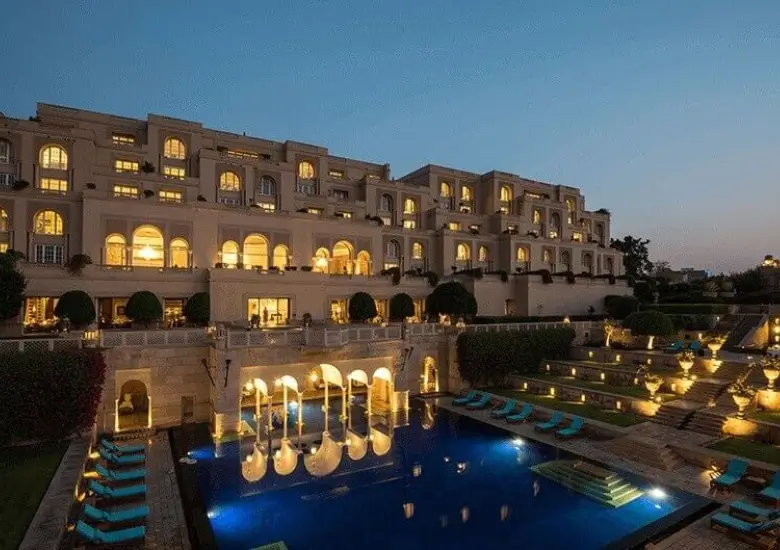
Agra offers an excellent selection of luxury hotels, many located just minutes from the Taj Mahal and providing exceptional hospitality for international travellers. Elegant accommodations, landscaped gardens, fine dining restaurants, luxury spas and personalised service make the city an ideal destination for those seeking comfort while exploring its historic landmarks. Several premium hotels also offer rooms with direct views of the Taj Mahal, creating an unforgettable setting for a stay in the city.
Among Agra's most prestigious luxury properties are The Oberoi Amarvilas, renowned for its uninterrupted views of the Taj Mahal and world-class service; ITC Mughal, A Luxury Collection Resort & Spa, inspired by Mughal architecture and set within beautifully landscaped gardens; Taj Hotel & Convention Centre, Agra, offering modern luxury close to the monument; Trident Agra, known for its peaceful surroundings and family-friendly hospitality; and Jaypee Palace Hotel & Convention Centre, recognised for its spacious grounds and elegant facilities.
From private guided excursions and fine dining to wellness treatments and luxury accommodation, Agra's premium hotels provide an ideal base for discovering the city's remarkable Mughal heritage while enjoying exceptional comfort and hospitality.
Best Time to Visit Agra
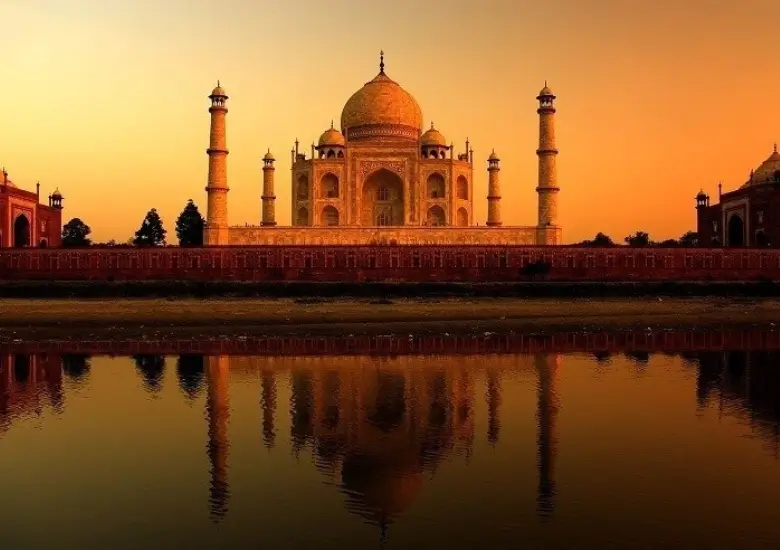
Agra welcomes visitors throughout the year, although the most comfortable season for sightseeing is between October and March, when the weather remains pleasant for exploring the city's historical monuments and gardens. Cool mornings and mild afternoons make this the ideal time to visit the Taj Mahal, Agra Fort, Mehtab Bagh and other outdoor attractions. This period also coincides with the peak tourist season, offering clear skies and excellent conditions for photography.
The summer season (April to June) is generally hot, with daytime temperatures often exceeding 40°C. Many travellers choose to visit the Taj Mahal early in the morning before continuing indoor sightseeing or relaxing at their hotel during the hottest part of the day. Despite the higher temperatures, summer offers fewer crowds and attractive rates at many luxury hotels.
The monsoon season (July to September) brings occasional rainfall that refreshes the city's gardens and creates a different perspective of Agra's Mughal monuments. Although short showers may interrupt outdoor plans, attractions remain open, and the monuments surrounded by lush greenery provide beautiful photographic opportunities.
Festivals in Agra
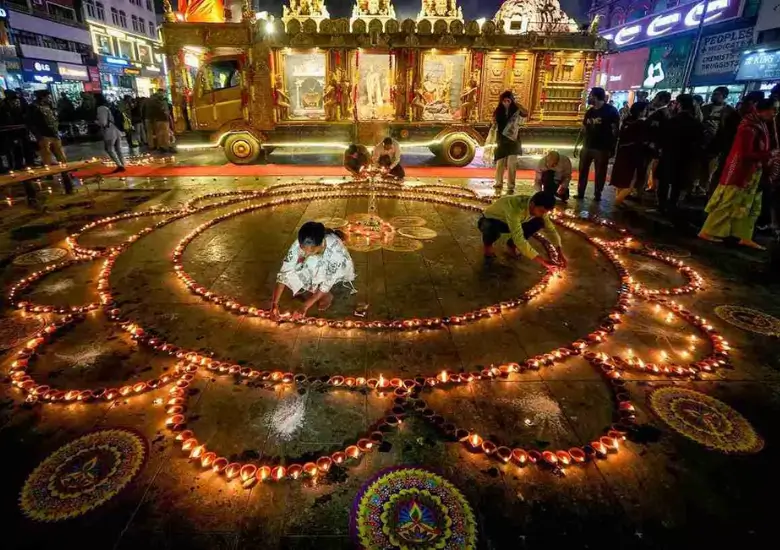
Agra celebrates a variety of cultural and religious festivals throughout the year, reflecting its rich Mughal heritage and diverse traditions. One of the city's most important events is the Taj Mahotsav, held annually in February near Shilpgram, close to the Taj Mahal. This ten-day cultural festival features traditional music, folk dances, handicrafts, regional cuisine and performances by artists from across India, making it one of the country's leading cultural events.
Major celebrations such as Diwali, Holi, Eid-ul-Fitr and Christmas are also observed across the city, with monuments, markets and neighbourhoods decorated for the occasion. During these festivals, visitors have the opportunity to witness local traditions, cultural performances and festive markets that add another dimension to the Agra travel experience.
For travellers interested in Indian arts, crafts and cultural heritage, planning a visit during Taj Mahotsav offers a memorable opportunity to experience the city's vibrant traditions alongside its world-famous monuments.
Shopping in Agra
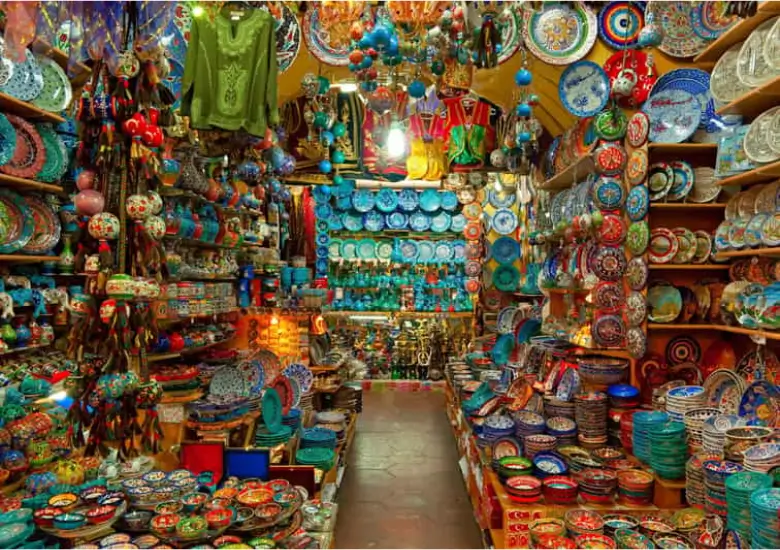
Agra has long been recognised for its skilled craftsmanship and traditional industries, making it one of the best places in North India to purchase authentic handmade products. The city is particularly famous for marble inlay work, handcrafted leather goods, embroidered textiles, brassware, carpets and decorative stone artefacts inspired by Mughal art and architecture.
Popular shopping areas include Kinari Bazaar, Sadar Bazaar, Subhash Bazaar and Shah Market, where visitors can browse everything from handcrafted souvenirs and jewellery to traditional clothing and locally produced sweets. Government-approved emporiums and artisan workshops also provide an excellent opportunity to purchase genuine marble inlay products directly from the craftsmen who continue this centuries-old tradition.
Whether looking for elegant home décor, handmade gifts or unique keepsakes inspired by the Taj Mahal, Agra offers a rewarding shopping experience that reflects the city's remarkable artistic heritage.
Tell Us About
Your Vision for India
Share your travel aspirations, and our dedicated destination specialists will curate a bespoke itinerary - thoughtfully designed around your preferences, complete with handpicked recommendations and transparent pricing. Every inquiry is treated with the discretion and attention it deserves, with a detailed response delivered within 24 hours, entirely without obligation.
Where Your India Story Begins
Every remarkable journey through India begins with a conversation. Connect with our specialists today, and allow us to transform your vision into a seamlessly curated, once-in-a-lifetime experience.