

- /
- Destinations
- Delhi Travel Guide
Delhi Travel Guide
Delhi Travel Guide, Tourist Attractions & Tours
Delhi is India's capital and one of the oldest continuously inhabited cities in the world, where more than a thousand years of history coexist with modern urban life. For centuries, powerful dynasties including the Delhi Sultanate, the Mughals and the British Empire shaped the city's character, leaving behind an extraordinary collection of forts, mosques, tombs, temples and colonial landmarks. Today, Delhi serves as the political, cultural and commercial centre of the country while preserving an architectural heritage that spans several distinct historical periods.
Unlike many destinations that are defined by a single era, Delhi presents multiple chapters of Indian history within one city. Ancient archaeological remains stand alongside grand Mughal monuments, while broad ceremonial avenues built during the British period lead to modern government buildings, museums and cultural institutions. UNESCO World Heritage Sites, bustling traditional markets and peaceful gardens together create a destination where every neighbourhood tells a different story of India's past and present.
The city is also the starting point for many of North India's most popular journeys, including the famous Golden Triangle route connecting Delhi, Agra and Jaipur. Excellent international air connections, luxury accommodation, world-class restaurants and an extensive transportation network make Delhi an ideal gateway for travellers arriving from around the world. Whether staying for a few days or beginning a longer journey across India, visitors have access to a remarkable variety of historical sites, cultural experiences and contemporary attractions within a relatively short distance.
Delhi's diversity extends far beyond its famous monuments. Bustling bazaars, colourful spice markets, elegant shopping districts, art galleries, museums and landscaped parks offer countless opportunities to experience different aspects of Indian life. Street food vendors continue traditions that date back generations, while award-winning restaurants present regional cuisine from across the country. This unique blend of history, culture, architecture and modern comforts makes Delhi one of India's most fascinating destinations for international travellers.
Throughout the year, Delhi hosts cultural festivals, art exhibitions, music performances and national celebrations that reflect the country's rich traditions and contemporary identity. From the narrow lanes of Old Delhi to the tree-lined boulevards of New Delhi, every part of the city offers a distinct atmosphere. Whether your interests lie in history, architecture, shopping, food, photography or luxury travel, Delhi provides an exceptional introduction to India and remains one of the country's most rewarding destinations.
Related Tours
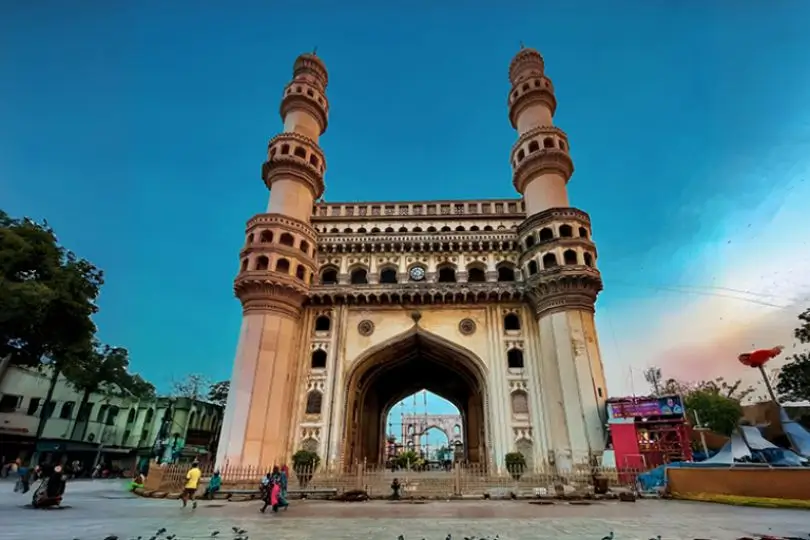 10 Nights / 11 Days
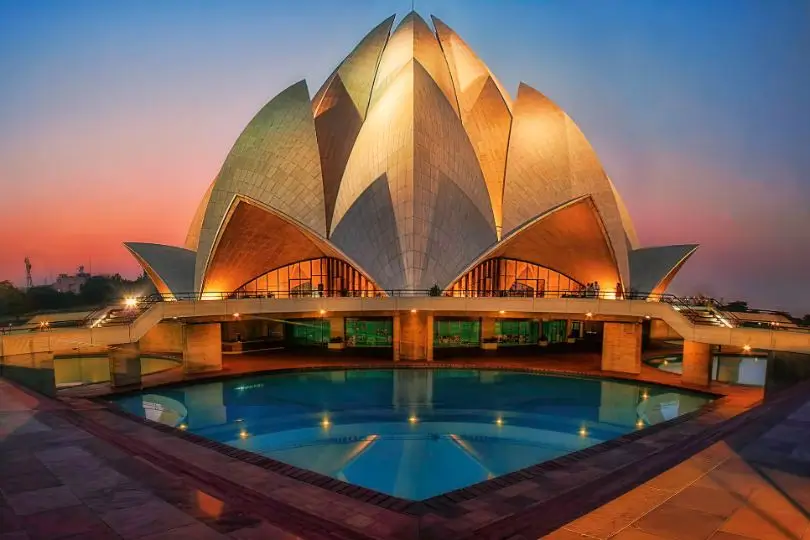 10 Nights / 11 Days
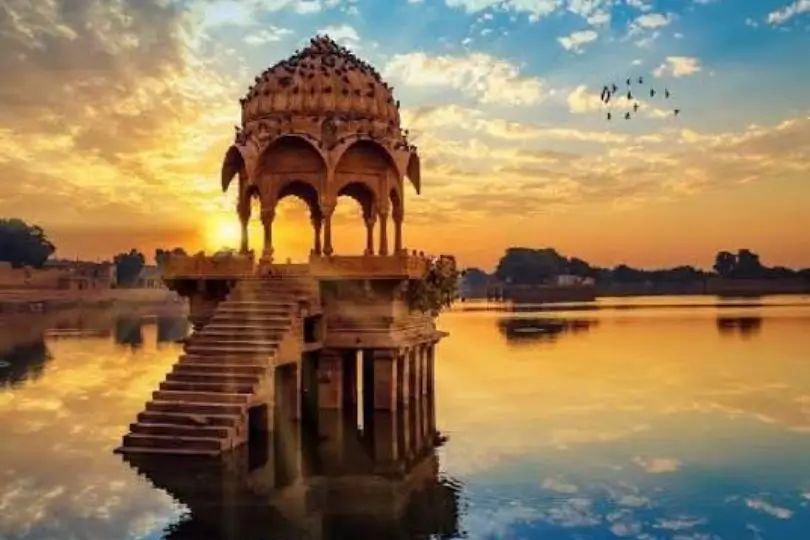 15 Nights / 16 Days
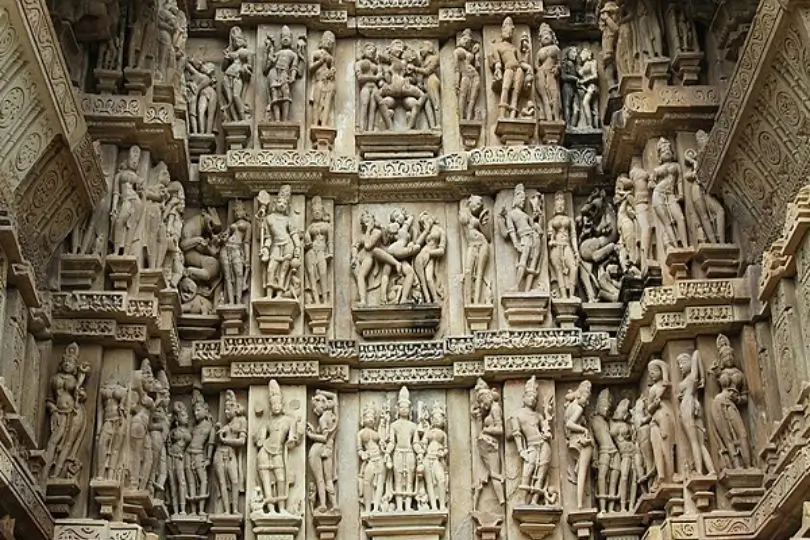 12 Nights / 13 Days
Major Tourist Spots in Delhi Travel Guide
Red Fort
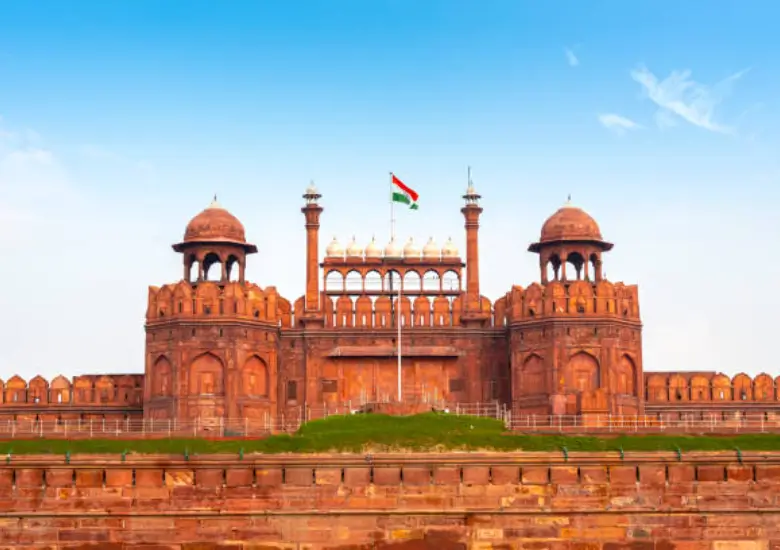
Red Fort is Delhi's most iconic monument and one of India's greatest examples of Mughal architecture. Commissioned by Emperor Shah Jahan in 1638 after the Mughal capital was moved from Agra to Delhi, the magnificent fortress served as the residence of the Mughal emperors for nearly two centuries. Constructed from massive red sandstone walls stretching over two kilometres, the fort symbolised the power, wealth and artistic achievements of the Mughal Empire. Today, it stands as a UNESCO World Heritage Site and remains one of the country's most important historical landmarks.
Inside the fort, visitors can explore beautifully designed royal buildings including the Diwan-i-Aam (Hall of Public Audience), Diwan-i-Khas (Hall of Private Audience), Rang Mahal, Khas Mahal and the royal hammams. Marble pavilions, intricate floral carvings, decorative arches and flowing water channels illustrate the elegance of Mughal palace design. The complex also houses museums displaying artefacts connected with India's freedom movement and military history, adding another dimension to the visitor experience.
Red Fort continues to play an important role in modern India. Every year on Independence Day, the Prime Minister addresses the nation from the fort's historic ramparts, a tradition observed since 1947. Visitors can also attend the evening Sound and Light Show, which narrates the history of Delhi and the Mughal Empire through music, narration and colourful illumination. The combination of historical significance, remarkable architecture and national importance makes Red Fort an essential attraction for anyone visiting Delhi.
Opening Hours: Tuesday to Sunday, 9:30 AM – 4:30 PM. Closed on Mondays.
Qutub Minar
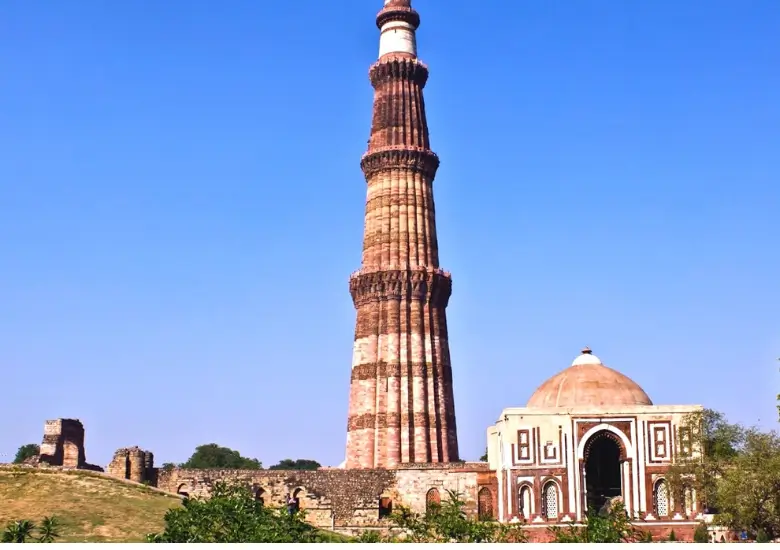
Standing at a height of 72.5 metres, Qutub Minar is the tallest brick minaret in the world and one of Delhi's most recognised landmarks. Construction began in 1193 under Qutb-ud-din Aibak following the establishment of the Delhi Sultanate, with later rulers adding further storeys over several decades. Built from red sandstone and marble, the tower is decorated with intricate carvings, Arabic inscriptions and beautifully detailed balconies that reflect the architectural style of early Indo-Islamic design.
The surrounding Qutub Complex is equally significant and contains several historic monuments, including the Quwwat-ul-Islam Mosque, Alai Darwaza, Alai Minar and the famous Iron Pillar of Delhi. The Iron Pillar, believed to be over 1,600 years old, continues to attract attention for its remarkable resistance to corrosion. Together, these structures provide valuable insight into the early history of Delhi and the evolution of medieval Indian architecture.
Recognised as a UNESCO World Heritage Site, Qutub Minar remains one of the most visited monuments in India. Beautiful gardens surrounding the complex offer a peaceful setting for walking and photography, while guided tours explain the historical importance of the monuments and the rulers who shaped Delhi during the early medieval period.
Opening Hours: Daily, 7:00 AM – 5:00 PM.
Humayun's Tomb
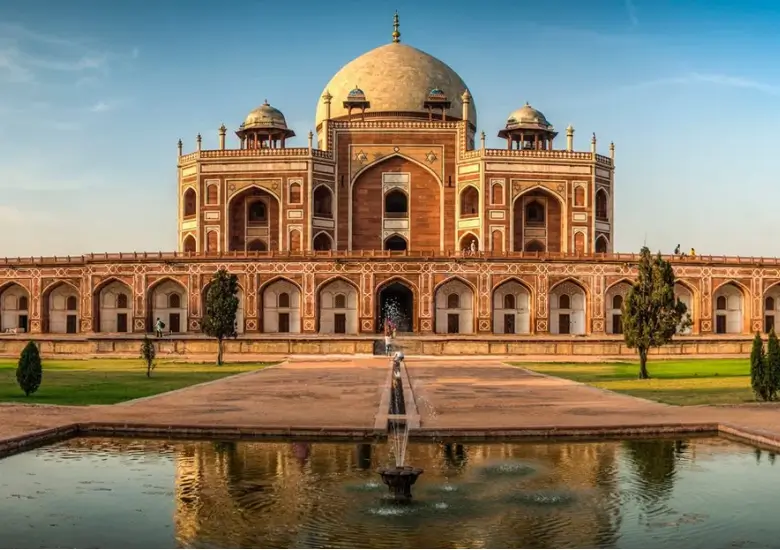
Humayun's Tomb is one of Delhi's finest Mughal monuments and the first grand garden tomb built on the Indian subcontinent. Commissioned in 1565 by Empress Bega Begum in memory of Emperor Humayun, the monument inspired later architectural masterpieces, including the Taj Mahal. Constructed from red sandstone with white marble detailing, the tomb stands within beautifully symmetrical Persian-style gardens that reflect the elegance and planning of early Mughal architecture.
The complex contains several smaller tombs, ornamental pathways, fountains and landscaped gardens that create a peaceful atmosphere away from the busy city. Its perfectly balanced proportions, decorative arches and geometric layout demonstrate the remarkable craftsmanship achieved during the early Mughal period. The surrounding Charbagh gardens remain one of the best-preserved examples of Persian landscape design in India.
As a UNESCO World Heritage Site, Humayun's Tomb attracts history enthusiasts, photographers and architecture lovers from around the world. Early morning and late afternoon are particularly popular times to visit, when soft natural light enhances the beauty of the monument and its gardens.
Opening Hours: Daily, 6:00 AM – 6:00 PM.
India Gate
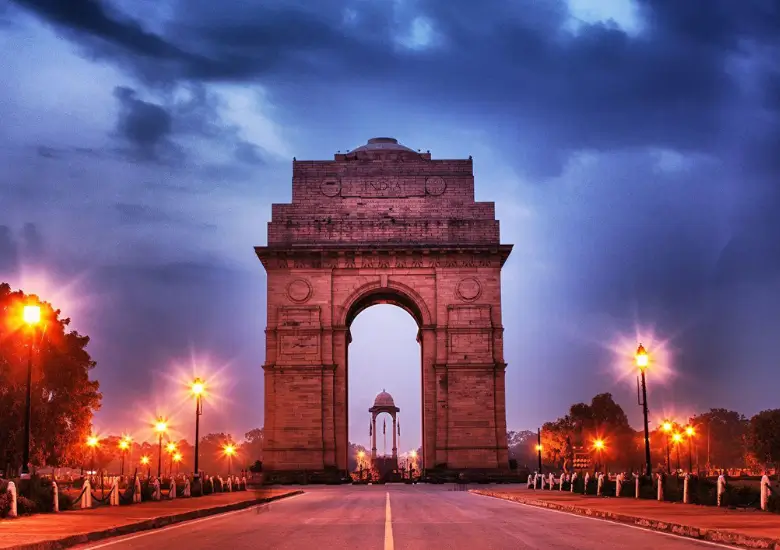
India Gate is one of Delhi's most recognisable landmarks and a national memorial dedicated to more than 70,000 Indian soldiers who lost their lives during the First World War and the Third Anglo-Afghan War. Designed by Sir Edwin Lutyens and completed in 1931, the 42-metre-high sandstone arch stands at the eastern end of Rajpath, now known as Kartavya Path. The names of thousands of soldiers are engraved on its surface, making it both an architectural landmark and a place of national remembrance.
The wide ceremonial boulevard surrounding India Gate is one of the city's most popular public spaces. Landscaped lawns, fountains and tree-lined pathways attract visitors throughout the day, while the illuminated monument creates a particularly beautiful setting after sunset. Families, photographers and evening walkers gather here to enjoy the lively atmosphere and impressive views stretching towards Rashtrapati Bhavan.
Close to the monument stands the National War Memorial, inaugurated in 2019 to honour members of the Indian Armed Forces who made the ultimate sacrifice after Independence. Together, these memorials represent an important chapter in India's military history and are among the most visited attractions in the capital.
Visiting Hours: Open 24 hours. Evening visits are especially popular when the monument is illuminated.
Rashtrapati Bhavan
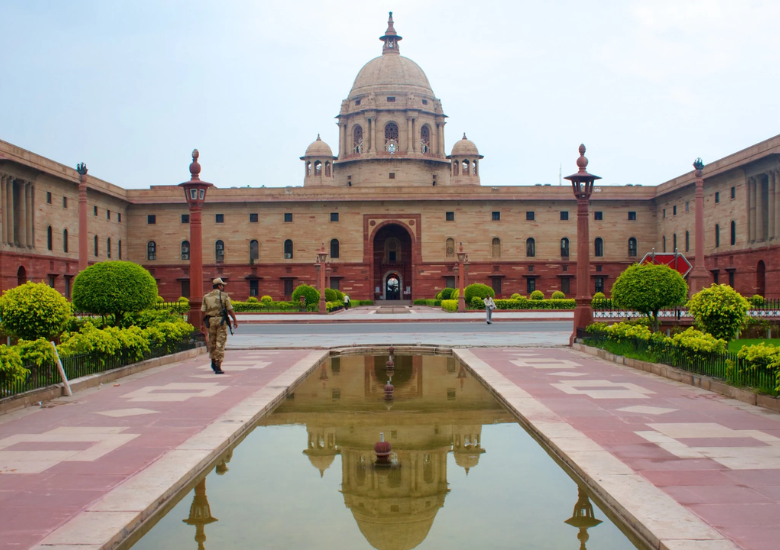
Rashtrapati Bhavan serves as the official residence of the President of India and is one of the largest presidential residences in the world. Designed by Sir Edwin Lutyens during the construction of New Delhi, the magnificent complex was completed in 1929 and originally served as the residence of the British Viceroy. Its grand dome, sandstone façade, ceremonial halls and extensive Mughal Gardens make it one of India's most impressive government buildings.
The estate covers more than 300 acres and includes beautifully maintained gardens, museums, ceremonial courtyards and historic buildings. Selected areas of Rashtrapati Bhavan are open to visitors through guided tours, providing insight into the history of the building, the office of the President and the architectural vision behind New Delhi's ceremonial district. The famous Amrit Udyan (formerly Mughal Gardens) attracts thousands of visitors each year when opened to the public during the flowering season.
Standing along Kartavya Path, Rashtrapati Bhavan forms the centrepiece of New Delhi's administrative district and represents the country's democratic institutions while preserving one of the finest examples of colonial architecture in Asia.
Visiting Hours: Guided visits are available on selected days with advance online booking. Garden opening dates vary seasonally.
Lotus Temple
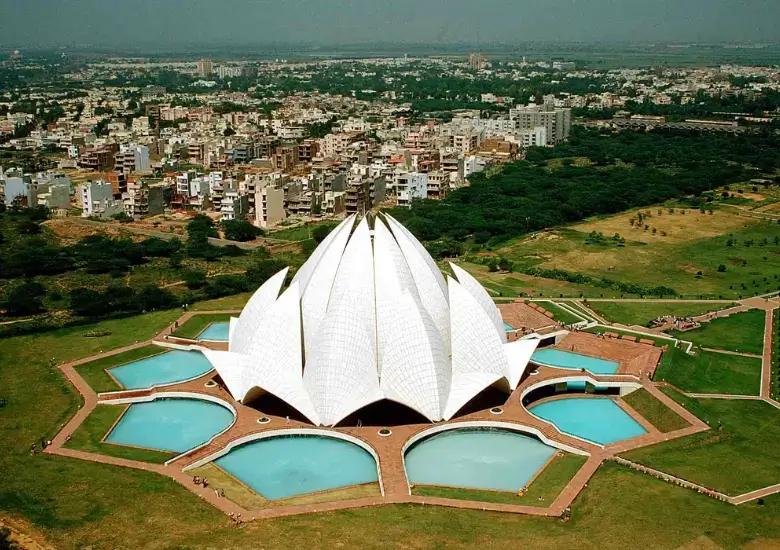
The Lotus Temple is one of Delhi's most visited modern landmarks and an internationally recognised symbol of peace and harmony. Completed in 1986, the temple belongs to the Bahá'í Faith and welcomes people of every religion, nationality and background. Designed in the shape of a blooming lotus flower, the structure is built from white marble imported from Greece and has received numerous international awards for its distinctive architecture.
Unlike traditional places of worship, the Lotus Temple contains no idols, altars or ceremonial rituals. Visitors enter a large central prayer hall where complete silence is observed, creating a calm environment for meditation and personal reflection. The surrounding gardens, pools and landscaped pathways further enhance the peaceful atmosphere, making it one of the city's most relaxing attractions.
The temple has become one of the most photographed buildings in Delhi and attracts millions of visitors every year. Its striking design and universal message of unity make it an important stop for travellers interested in contemporary architecture as well as spiritual landmarks.
Opening Hours: Tuesday to Sunday, generally 9:00 AM – 5:30 PM. Closed on Mondays.
Jama Masjid
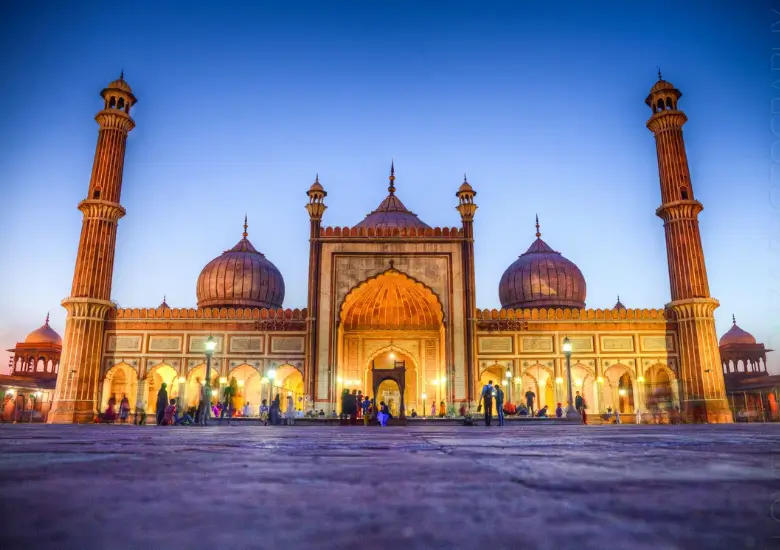
Jama Masjid is India's largest and one of its most magnificent mosques, built by the Mughal Emperor Shah Jahan between 1650 and 1656. Constructed from red sandstone and white marble, the mosque stands prominently in the heart of Old Delhi, overlooking the historic streets of Chandni Chowk. Its grand courtyard can accommodate more than 25,000 worshippers, making it one of the country's most significant religious landmarks and an outstanding example of Mughal architecture.
Three impressive gateways, elegant domes, towering minarets and beautifully carved prayer halls reflect the architectural excellence of the Mughal period. Visitors may climb the southern minaret for panoramic views across Old Delhi, where centuries-old markets, narrow lanes and historic monuments stretch across the skyline. The peaceful atmosphere inside the mosque offers a striking contrast to the lively streets outside.
Jama Masjid remains an active place of worship, and visitors are requested to dress modestly and respect religious customs while exploring the complex. Photography is permitted in most areas, although a camera fee may apply.
Opening Hours: Daily, approximately 7:00 AM – 12:00 PM and 1:30 PM – 6:30 PM. Visiting hours may vary during prayer times and religious festivals.
Chandni Chowk
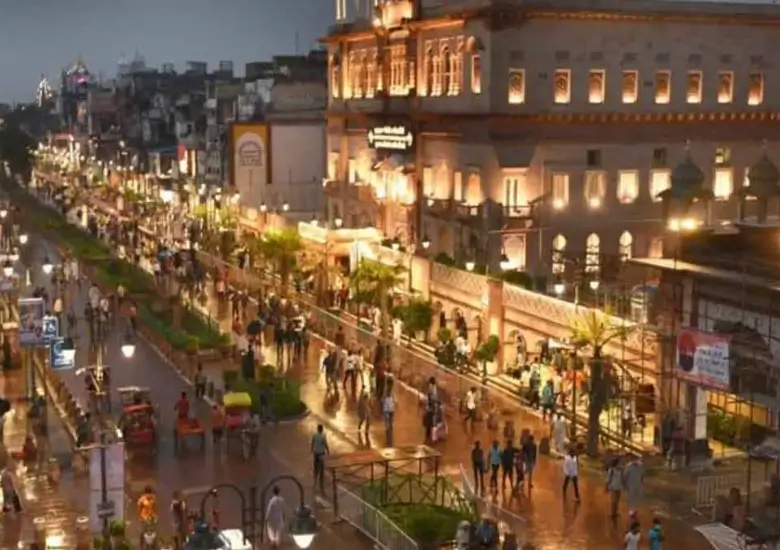
Chandni Chowk is one of Delhi's oldest and busiest marketplaces, established in the seventeenth century by Princess Jahanara Begum, the daughter of Emperor Shah Jahan. For centuries, the market has remained the commercial heart of Old Delhi, where traditional traders, family-run businesses and historic shops continue to thrive. Walking through its narrow streets offers a fascinating glimpse into the city's rich trading heritage and everyday local life.
The market is famous for its jewellery, textiles, wedding wear, spices, books, handicrafts and traditional Indian sweets. Equally renowned is its street food, with generations-old eateries serving dishes such as Parathas, Chole Bhature, Jalebi, Rabri and various North Indian delicacies. Every lane specialises in a different trade, creating an atmosphere unlike any modern shopping district.
Several important monuments stand within walking distance of Chandni Chowk, including Jama Masjid, Red Fort, Gurudwara Sis Ganj Sahib and numerous historic havelis. A guided walking tour or cycle rickshaw ride remains one of the best ways to appreciate the area's history, architecture and vibrant local culture.
Best Time to Visit: Morning or late afternoon. Most shops remain open from 10:00 AM to 8:00 PM, while many food outlets open earlier and continue into the evening.
Akshardham Temple
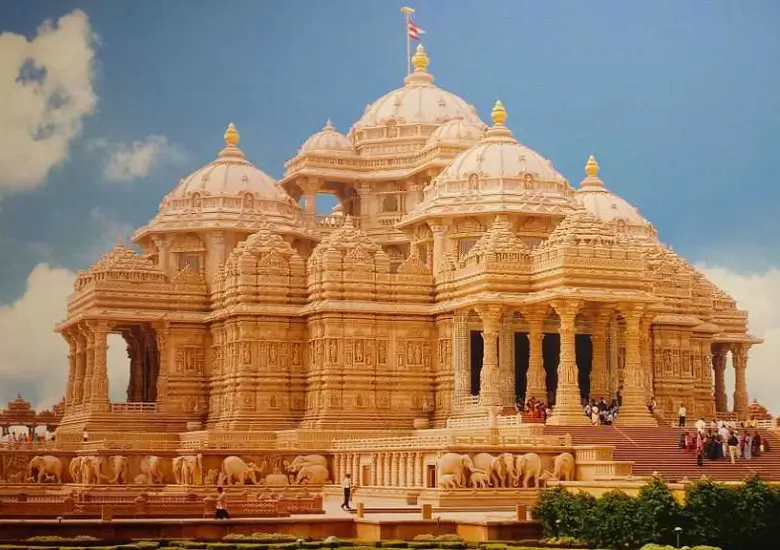
Swaminarayan Akshardham is one of the largest Hindu temple complexes in the world and a remarkable example of contemporary Indian craftsmanship. Opened in 2005, the temple was built using traditional construction techniques without structural steel, featuring intricately carved pink sandstone and white marble sourced from different parts of India. Every pillar, dome and wall displays detailed carvings inspired by India's spiritual traditions, history and culture.
The complex includes the magnificent central temple, beautifully landscaped gardens, musical fountains, exhibitions, a cultural boat ride and the Yagnapurush Kund, one of the world's largest stepwell-style fountains. Multimedia presentations and exhibitions introduce visitors to India's philosophical heritage, ancient discoveries and cultural values in an engaging and informative manner.
Akshardham welcomes millions of visitors every year and is admired not only as a place of worship but also as one of Delhi's finest architectural achievements. Mobile phones, cameras and large bags are not permitted inside the main complex, allowing visitors to enjoy a peaceful and secure environment.
Opening Hours: Tuesday to Sunday, 10:00 AM – 6:30 PM. Closed on Mondays.
Raj Ghat
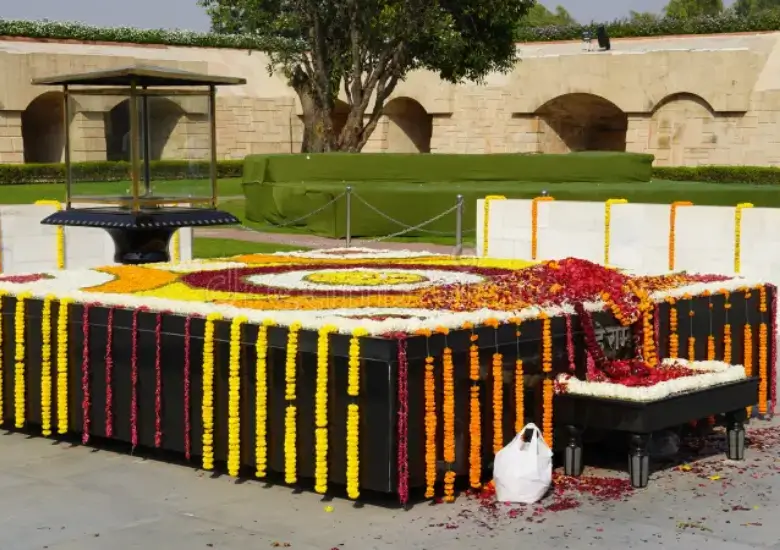
Raj Ghat is the national memorial dedicated to Mahatma Gandhi, the Father of the Nation, and marks the site where he was cremated on 31 January 1948. The memorial consists of a simple black marble platform surrounded by beautifully maintained gardens, symbolising Gandhi's lifelong belief in simplicity, peace and non-violence. An eternal flame burns beside the memorial in remembrance of his enduring legacy.
The landscaped grounds provide a quiet and reflective atmosphere, attracting visitors from around the world who wish to pay their respects. Heads of state, dignitaries and international leaders regularly visit Raj Ghat during official visits to India, highlighting its importance as one of the country's most respected national memorials.
Located close to Old Delhi and several major historical landmarks, Raj Ghat is often included as part of a full-day sightseeing tour. The peaceful surroundings make it an ideal place to pause and reflect while learning about one of the most influential figures in modern history.
Opening Hours: Daily, 6:00 AM – 6:00 PM.
Lodhi Garden
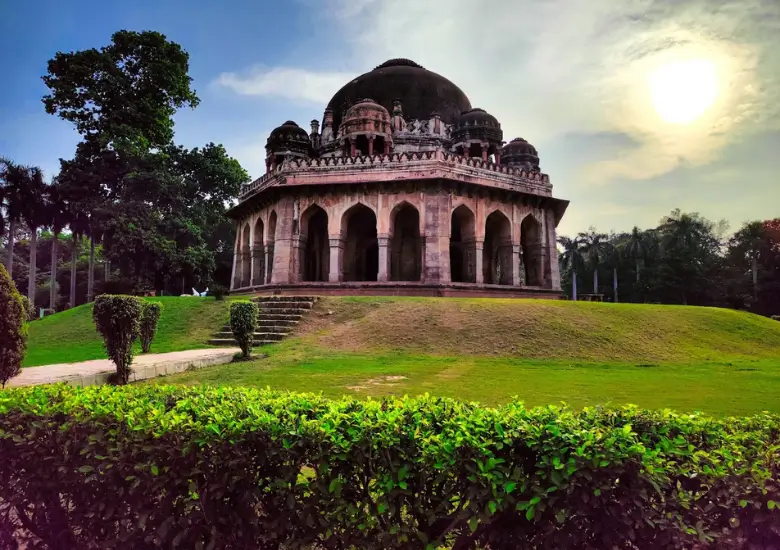
Lodhi Garden is one of Delhi's most beautiful green spaces, spread across more than 90 acres in the heart of the city. Combining landscaped gardens with centuries-old monuments, it provides a peaceful escape from the busy streets while preserving important examples of fifteenth and sixteenth-century architecture. The park contains the tombs of rulers from the Sayyid and Lodhi dynasties, making it both a recreational area and an open-air historical site.
Visitors can walk along tree-lined pathways that connect monuments such as the Tomb of Sikandar Lodi, Bara Gumbad, Sheesh Gumbad and Mohammed Shah's Tomb. Beautiful lawns, flowering gardens and a central lake create an ideal setting for photography, birdwatching and leisurely walks throughout the year. Early mornings are particularly popular with local residents and visitors seeking a quiet atmosphere.
Lodhi Garden perfectly illustrates Delhi's unique character, where historical monuments remain part of everyday life rather than standing in isolation. Its combination of architecture, nature and tranquillity makes it one of the capital's most enjoyable places to visit.
Opening Hours: Daily, approximately 5:00 AM – 8:00 PM (seasonal timings may vary).
Gurudwara Bangla Sahib
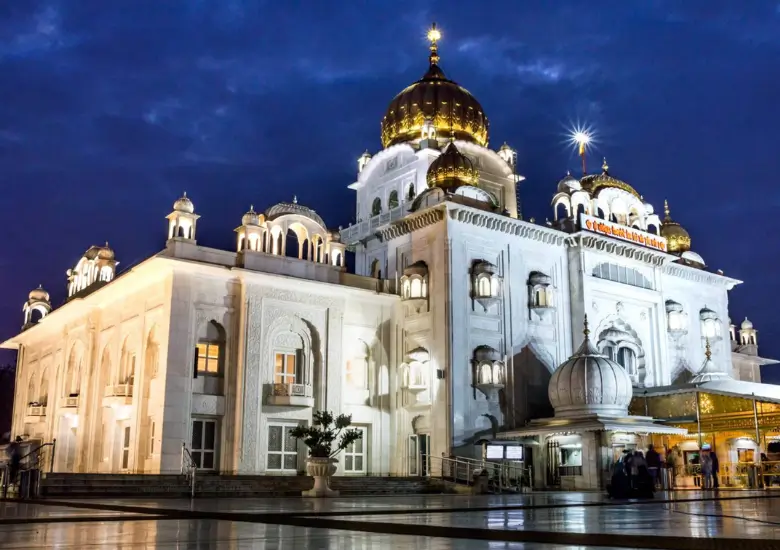
Gurudwara Bangla Sahib is one of the most important Sikh places of worship in India and welcomes visitors from every faith and nationality. The present shrine commemorates Guru Har Krishan Sahib, the eighth Sikh Guru, who devoted his life to serving people during a smallpox epidemic in Delhi during the seventeenth century. The white marble structure, golden dome and sacred Sarovar (holy pond) create one of the city's most peaceful spiritual environments.
Inside the Gurudwara, continuous devotional singing, known as Kirtan, fills the prayer hall throughout the day. Thousands of visitors also participate in the Langar, a free community kitchen where freshly prepared vegetarian meals are served daily without distinction of religion, nationality or social background. This tradition of equality and selfless service forms one of Sikhism's core principles.
Visitors are required to cover their heads, remove their shoes and maintain respectful behaviour within the complex. Gurudwara Bangla Sahib remains one of Delhi's most inspiring religious landmarks and offers a meaningful cultural experience beyond its architectural beauty.
Opening Hours: Open 24 hours. The Langar operates throughout the day.
Connaught Place
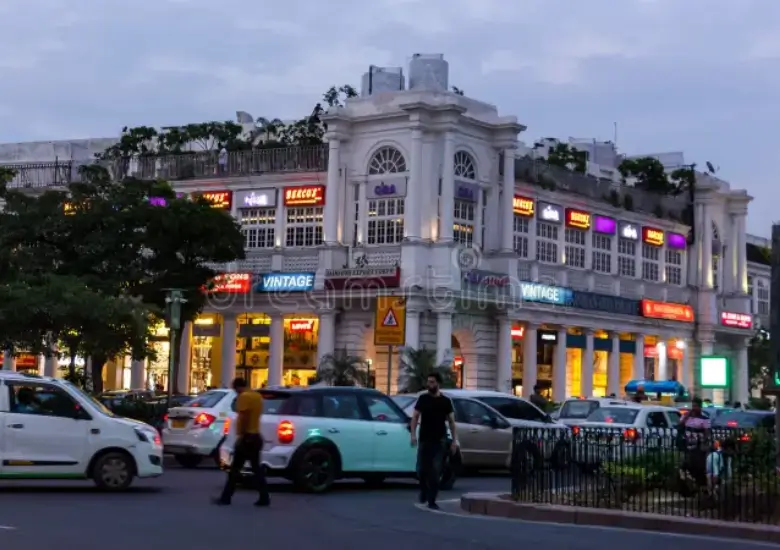
Connaught Place, officially known as Rajiv Chowk, is Delhi's premier commercial and entertainment district. Designed during the British period in the 1930s, its distinctive circular layout, elegant white colonnades and Georgian-style architecture continue to define the centre of New Delhi. Today, it is one of the city's busiest destinations for shopping, dining and nightlife.
The area is home to international brands, Indian designer boutiques, bookstores, cafés, restaurants, art galleries and luxury hotels. Beneath the central park lies Palika Bazaar, a popular underground shopping market offering electronics, clothing, accessories and souvenirs. Connaught Place also serves as an excellent base for exploring nearby attractions, including India Gate, Janpath Market and the National Museum.
During the evening, the district becomes particularly lively as restaurants, cafés and cultural venues welcome both residents and international visitors. Its central location and excellent metro connectivity make Connaught Place one of the most convenient places to spend time while visiting Delhi.
Best Time to Visit: Daily, from late morning until evening. Most shops operate between 10:00 AM and 9:00 PM.
National Museum
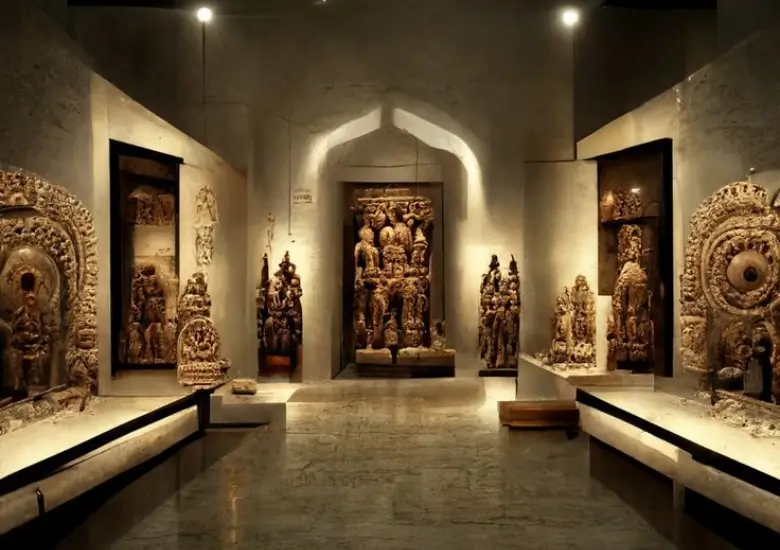
The National Museum is one of India's largest and most important museums, housing an extraordinary collection that spans more than 5,000 years of history. Established in 1949, the museum preserves over 200,000 artefacts representing India's diverse civilisations, artistic traditions and archaeological discoveries. Its carefully curated galleries provide visitors with a comprehensive introduction to the country's cultural heritage.
Among its highlights are sculptures from the Indus Valley Civilisation, ancient Buddhist relics, Mughal miniature paintings, royal jewellery, decorative arts, manuscripts, coins, textiles and traditional weapons. The museum also displays remarkable collections from Central Asia and other parts of Asia, illustrating India's historical connections with neighbouring regions.
For travellers wishing to gain a deeper understanding of Indian history before exploring monuments across the country, the National Museum offers valuable historical context and one of the finest cultural collections in South Asia.
Opening Hours: Tuesday to Sunday, generally 10:00 AM – 6:00 PM. Closed on Mondays.
Dilli Haat
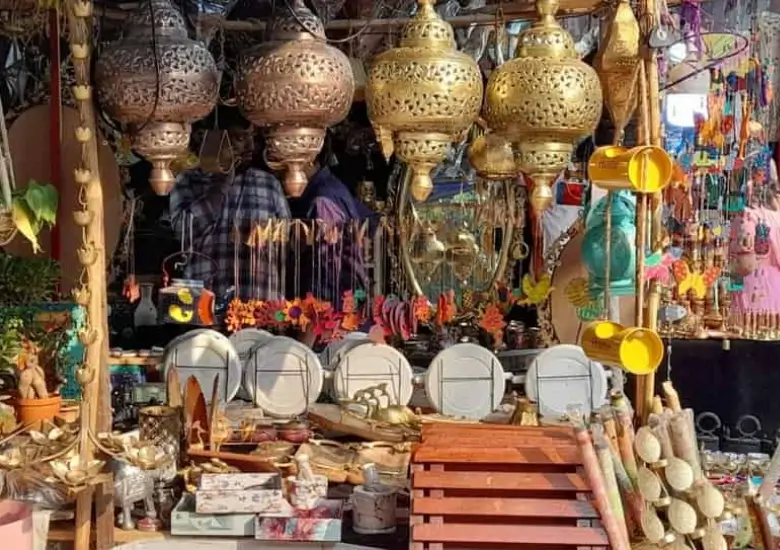
Dilli Haat is one of Delhi's most popular cultural marketplaces, bringing together traditional handicrafts, regional cuisine and folk art from across India in a single open-air setting. Developed to support local artisans, the market offers an authentic shopping experience where craftspeople from different states display handmade products that reflect India's rich artistic traditions. Unlike conventional shopping centres, Dilli Haat changes regularly as artisans rotate throughout the year, ensuring that every visit offers something different.
Visitors can browse handwoven textiles, embroidered garments, carpets, pottery, wood carvings, jewellery, paintings, leather goods and decorative handicrafts produced by skilled craftsmen from every corner of the country. The marketplace is also well known for its food court, where individual stalls serve authentic regional dishes representing states such as Rajasthan, Punjab, Kashmir, Gujarat, Kerala, Nagaland and many others. This makes Dilli Haat one of the best places in Delhi to sample India's diverse culinary traditions without leaving the capital.
Seasonal cultural festivals, folk music, dance performances and craft demonstrations are organised throughout the year, creating a lively atmosphere for both domestic and international visitors. For travellers looking to purchase genuine handmade souvenirs while experiencing India's cultural diversity, Dilli Haat remains one of Delhi's most rewarding attractions.
Opening Hours: Daily, 10:30 AM – 10:00 PM.
Hauz Khas Village
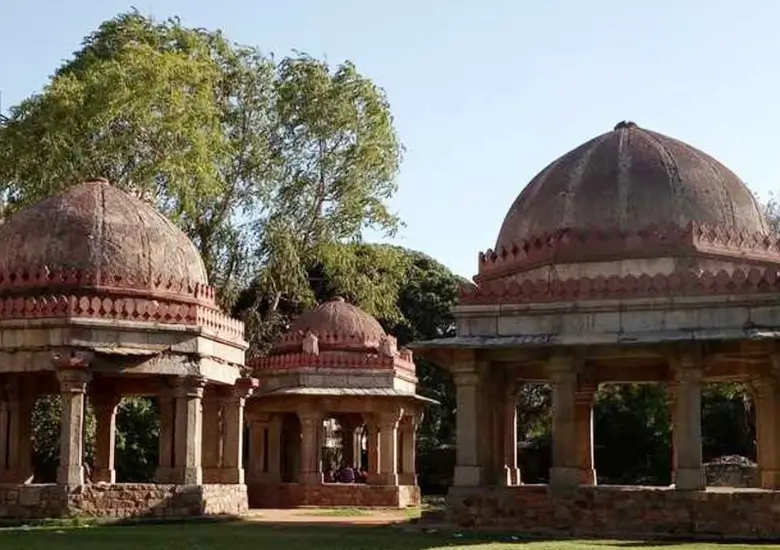
Hauz Khas Village combines medieval history with contemporary lifestyle, making it one of Delhi's most distinctive neighbourhoods. At its centre lies the historic Hauz Khas Complex, built during the Delhi Sultanate, featuring the tomb of Sultan Firoz Shah Tughlaq, a historic madrasa, mosque and a large water reservoir that once supplied water to the ancient city. These monuments create a fascinating historical setting surrounded by landscaped gardens and walking paths.
Over the years, the surrounding village has developed into one of Delhi's leading destinations for art, fashion and dining. Independent designer boutiques, art galleries, cafés, rooftop restaurants and contemporary studios occupy restored heritage buildings, attracting both local residents and international visitors. The unique blend of centuries-old monuments with modern creative spaces gives Hauz Khas Village a character unlike any other area of the city.
The lake, tree-lined pathways and historic ruins also make the area a favourite location for photography and relaxed evening walks. Visitors often combine the historical complex with lunch or dinner at one of the neighbourhood's well-known restaurants, creating an enjoyable mix of culture and modern Delhi life.
Best Time to Visit: Daily, especially during the late afternoon and evening. Historic monuments generally remain open from 7:00 AM – 7:00 PM.
Traditional Food of Delhi

Delhi's food culture reflects centuries of influence from the Mughal Empire, Punjab, Old Delhi and neighbouring regions, making it one of India's finest culinary destinations. Historic neighbourhoods such as Chandni Chowk continue to preserve recipes that have been served for generations, while modern restaurants present refined interpretations of classic Indian cuisine. Whether dining at a luxury hotel or a family-run establishment, visitors are introduced to an exceptional variety of flavours.
Among the city's best-known specialities are Butter Chicken, Chole Bhature, Kebabs, Nihari, Parathas, Chaat, Rajma Chawal and rich Mughlai dishes prepared with aromatic spices and slow-cooking techniques. Sweet delicacies including Jalebi, Rabri, Kulfi and traditional Indian desserts remain equally popular with visitors exploring Delhi's historic markets.
Luxury travellers will also find award-winning fine dining restaurants serving regional Indian cuisine alongside international menus, creating a dining scene that reflects both Delhi's historic traditions and its cosmopolitan character.
Luxury Hotels in Delhi
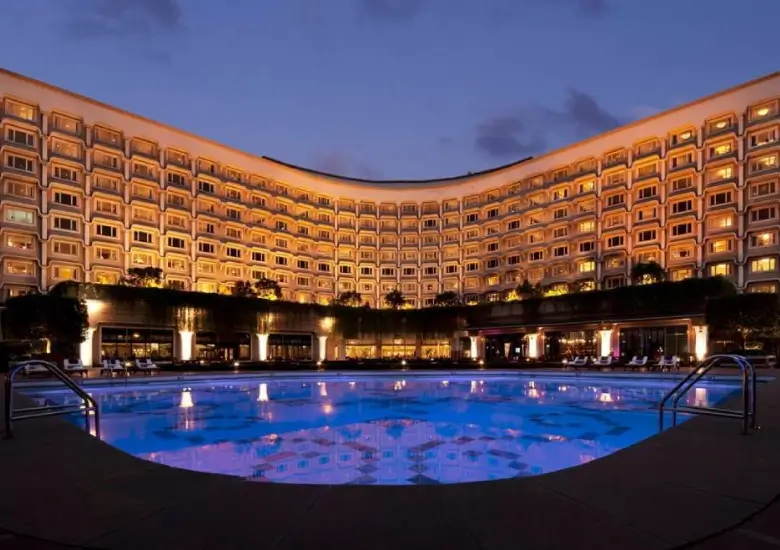
Delhi is home to some of India's most prestigious luxury hotels, combining timeless elegance with world-class hospitality. Many of these properties are conveniently located near major historical landmarks, diplomatic districts and commercial centres, making them an excellent choice for both leisure and business travellers. Spacious suites, award-winning restaurants, luxury spas, landscaped gardens and personalised concierge services ensure a comfortable and memorable stay in the capital.
Among the city's most renowned luxury hotels are The Imperial New Delhi, celebrated for its colonial-era grandeur and historic charm; The Oberoi, New Delhi, offering contemporary luxury with views of Humayun's Tomb; Taj Palace, New Delhi, known for its refined hospitality and central location; ITC Maurya, famous for hosting world leaders and distinguished guests; The Leela Palace New Delhi, recognised for its opulent interiors and exceptional service; and Shangri-La Eros New Delhi, a preferred choice for luxury travellers seeking modern comfort in the heart of the city.
Whether staying in a historic landmark hotel or a contemporary five-star property, visitors can expect exceptional service, fine dining, wellness facilities and easy access to Delhi's leading attractions. For travellers seeking a premium holiday in India, Delhi's luxury hotels provide an ideal combination of comfort, convenience and world-class hospitality.
Best Time to Visit Delhi
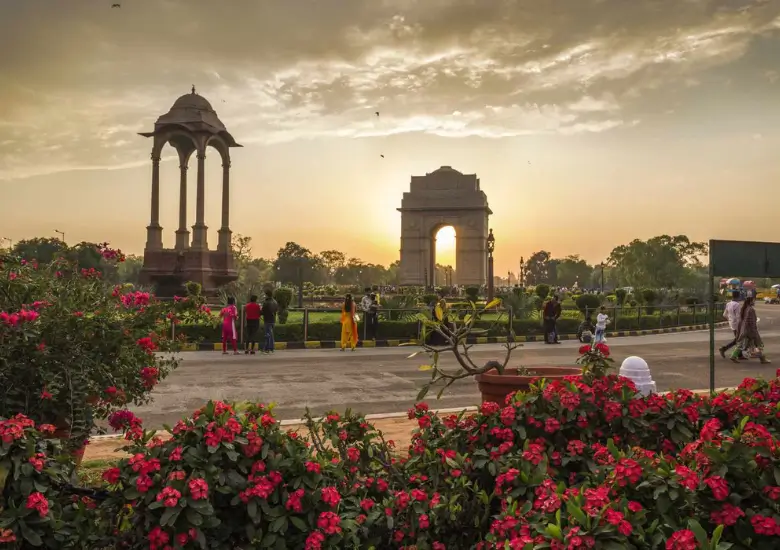
Delhi can be visited throughout the year, although the most comfortable weather for sightseeing is between October and March. During these months, daytime temperatures remain pleasant, making it ideal for visiting historical monuments, walking through Old Delhi, exploring gardens and enjoying outdoor attractions. The festive season also falls within this period, with celebrations such as Diwali, Christmas, New Year and Republic Day adding to the city's vibrant atmosphere.
The summer season, from April to June, is generally hot, with temperatures often exceeding 40°C. Visitors planning to travel during these months usually begin sightseeing early in the morning before spending the afternoon in museums, shopping districts or luxury hotels. Although fewer tourists visit during summer, hotels often provide attractive seasonal offers.
The monsoon season (July to September) brings occasional rainfall that refreshes the city's parks and gardens. While brief showers may affect outdoor sightseeing, Delhi remains an active destination with museums, cultural centres, restaurants and indoor attractions operating throughout the season.
Festivals in Delhi
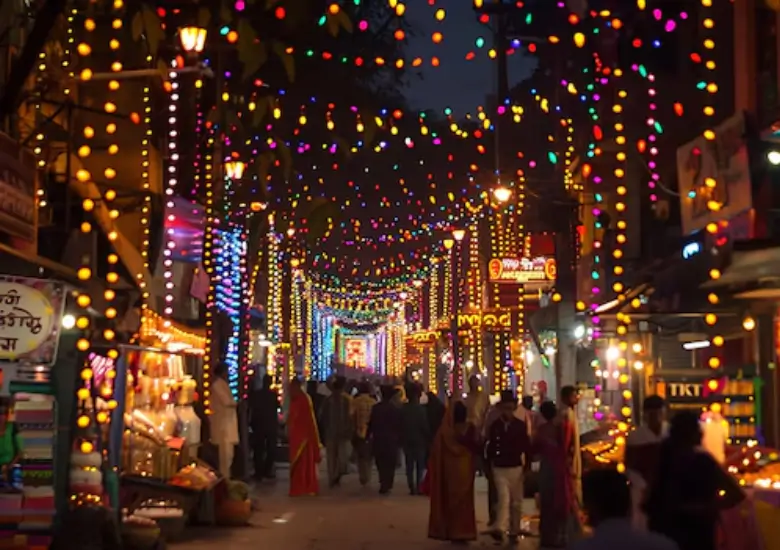
Delhi celebrates a wide variety of religious, cultural and national festivals that reflect the city's remarkable diversity. Diwali, the Festival of Lights, transforms homes, temples and markets with colourful decorations and illuminated streets, while Holi fills the city with vibrant colours and festive gatherings during spring.
National celebrations such as Republic Day (26 January) and Independence Day (15 August) hold particular significance in the capital. The Republic Day Parade along Kartavya Path showcases India's cultural heritage, military traditions and technological achievements, attracting visitors from around the world. Independence Day is marked by the Prime Minister's address from the historic Red Fort, making it one of the country's most important annual events.
Other major festivals including Eid-ul-Fitr, Christmas, Guru Nanak Gurpurab, Navratri and Durga Puja are celebrated across the city, allowing visitors to witness India's multicultural traditions throughout the year.
Shopping in Delhi
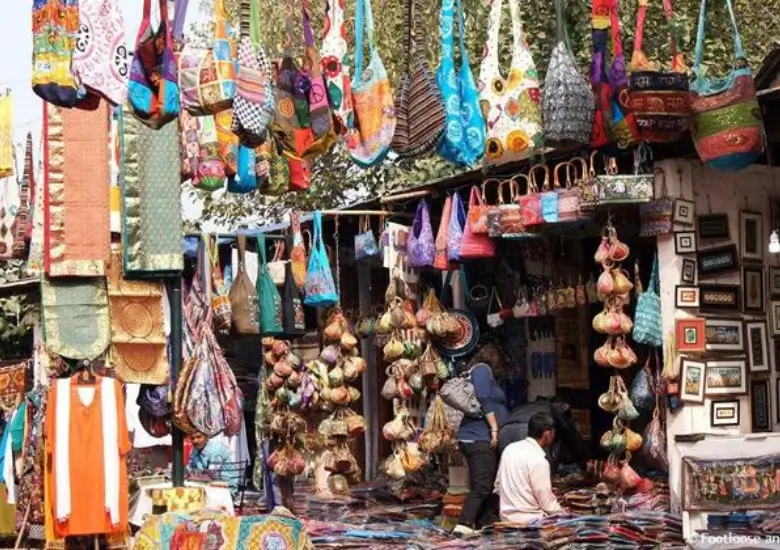
Delhi is one of India's leading shopping destinations, offering everything from centuries-old traditional markets to modern luxury shopping malls. Chandni Chowk remains famous for textiles, jewellery, spices and wedding shopping, while Janpath Market attracts visitors looking for handicrafts, clothing and souvenirs. Sarojini Nagar Market is well known for fashionable clothing, and Khan Market offers premium boutiques, cafés and bookstores.
Travellers interested in luxury brands can visit DLF Emporio, one of India's most exclusive shopping destinations, featuring international fashion houses, designer labels and fine dining restaurants. Delhi is also an excellent place to purchase carpets, silk textiles, gemstones, leather products, brass handicrafts and traditional Indian artwork created by skilled artisans.
Whether shopping for handcrafted souvenirs or luxury fashion, Delhi offers an impressive variety of retail experiences suitable for every style of traveller.
Tell Us About
Your Vision for India
Share your travel aspirations, and our dedicated destination specialists will curate a bespoke itinerary - thoughtfully designed around your preferences, complete with handpicked recommendations and transparent pricing. Every inquiry is treated with the discretion and attention it deserves, with a detailed response delivered within 24 hours, entirely without obligation.
Where Your India Story Begins
Every remarkable journey through India begins with a conversation. Connect with our specialists today, and allow us to transform your vision into a seamlessly curated, once-in-a-lifetime experience.