
- /
- Destinations
- Ranthambore National Park Travel Guide
Ranthambore National Park Travel Guide
Ranthambore National Park Travel Guide, Safari & Tours
Ranthambore National Park is one of India's most celebrated wildlife reserves and among the finest places in the world to observe the Royal Bengal Tiger in its natural habitat. Located in the Sawai Madhopur district of Rajasthan, the park covers more than 1,300 square kilometres of protected forests, grasslands, lakes and rocky hills, forming an important part of the Ranthambore Tiger Reserve. Its remarkable landscape combines ancient ruins, dense woodlands and open meadows, creating one of India's most scenic national parks.
The history of Ranthambore extends far beyond its wildlife. For centuries, these forests served as the royal hunting grounds of the Maharajas of Jaipur before being declared a protected wildlife sanctuary in 1955. In 1973, Ranthambore became one of the first reserves included under Project Tiger, India's ambitious conservation programme aimed at protecting the country's rapidly declining tiger population. Today, the park is recognised internationally for its successful conservation efforts and healthy tiger population.
Unlike many wildlife destinations, Ranthambore offers an exceptional combination of nature and history. At the centre of the park stands the magnificent Ranthambore Fort, a UNESCO World Heritage Site dating back to the tenth century. Ancient temples, lakes, hunting pavilions and crumbling stone structures scattered throughout the forest create dramatic scenery where wildlife and history exist side by side. Tigers, leopards, sloth bears and deer are frequently seen wandering close to these historic monuments, producing some of the most iconic wildlife photographs in India.
The park is home to an impressive variety of wildlife beyond tigers. Visitors may encounter leopards, striped hyenas, sloth bears, jackals, marsh crocodiles, nilgai, sambar deer, spotted deer, wild boar and over 300 species of birds. Scenic lakes such as Padam Talao, Rajbagh Talao and Malik Talao attract both wildlife and migratory birds, making Ranthambore equally rewarding for birdwatchers and nature photographers.
Luxury jungle lodges and wildlife resorts surrounding the national park offer world-class hospitality while maintaining close access to safari zones. Morning and afternoon game drives accompanied by experienced naturalists provide excellent opportunities to observe wildlife in its natural environment. Whether travelling as a wildlife enthusiast, photographer, family or honeymoon couple, Ranthambore National Park offers one of India's most unforgettable safari experiences and remains an essential destination for anyone exploring Rajasthan.
Related Tours
 11 Nights / 12 Days
 19 Nights / 20 days
 09 Nights / 10 Days
 10 Nights / 11 Days
Major Tourist Spots in Ranthambore National Park Travel Guide
Tiger Safari
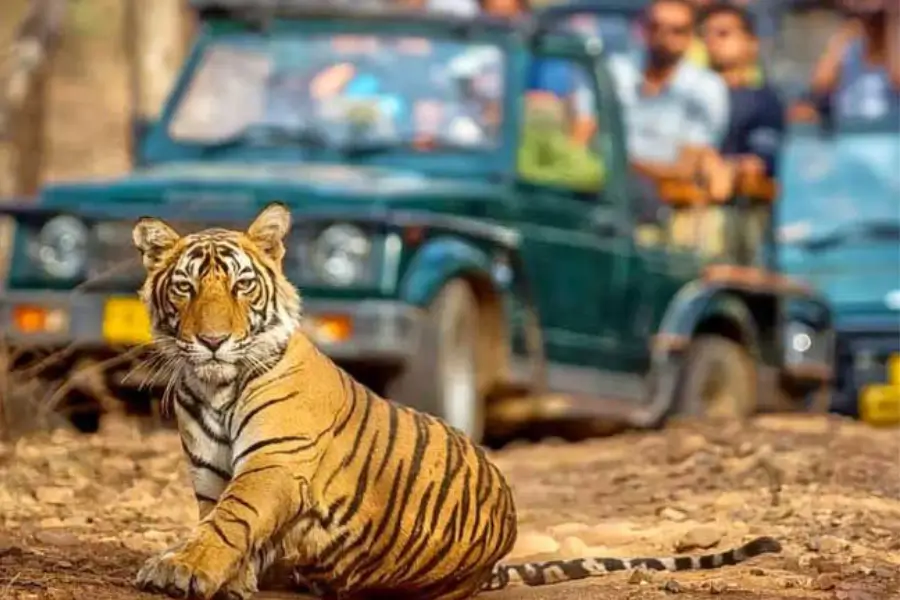
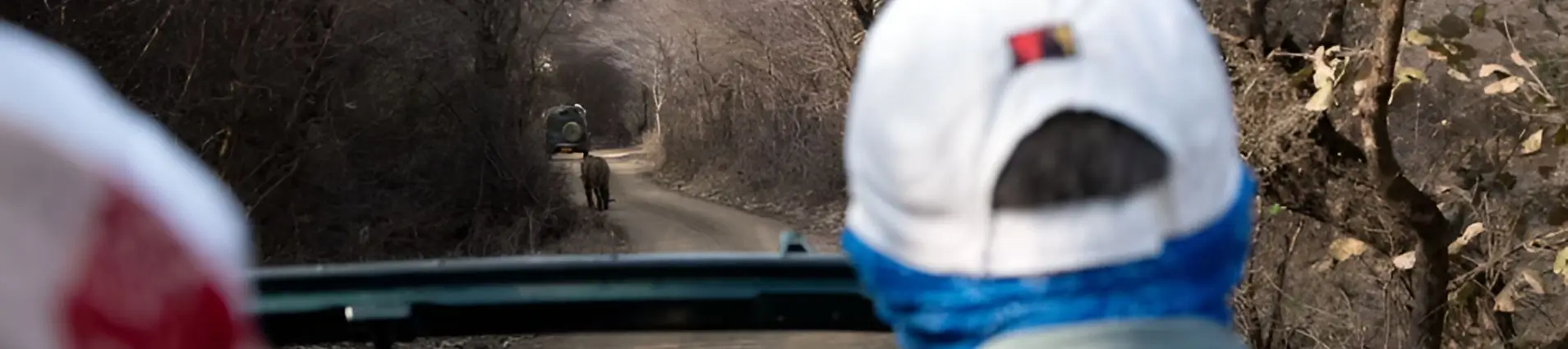
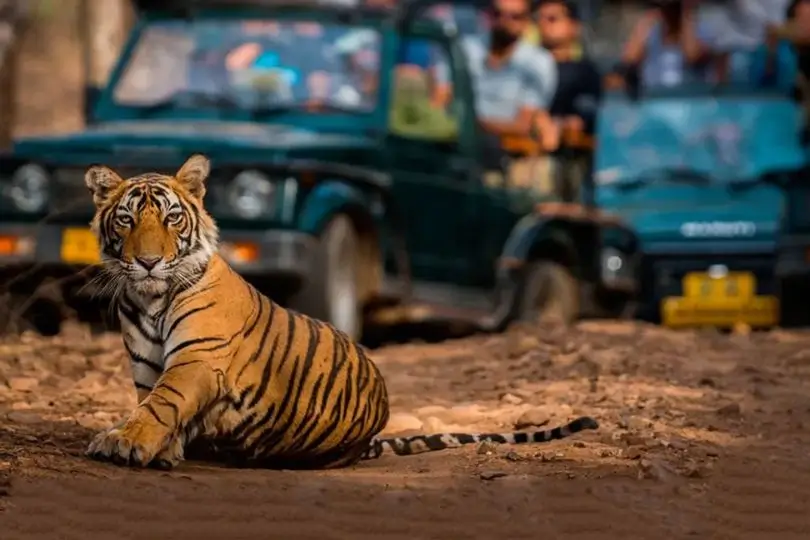
A tiger safari is the highlight of every visit to Ranthambore National Park and offers one of the best opportunities in India to observe the Royal Bengal Tiger in its natural habitat. The park is divided into several designated safari zones, each consisting of dry deciduous forests, open grasslands, rocky hills, lakes and ancient ruins that provide an ideal environment for tigers and other wildlife. Every safari follows carefully regulated routes accompanied by trained naturalist guides and authorised drivers, ensuring both visitor safety and wildlife conservation.
Morning and afternoon safaris are conducted in open Canter vehicles and smaller Gypsy (6-seater open jeep) vehicles, allowing excellent visibility for wildlife viewing and photography. While tiger sightings can never be guaranteed, Ranthambore has earned an international reputation for offering some of the highest chances of observing these magnificent animals in the wild. Visitors may also encounter leopards, sloth bears, striped hyenas, jackals, crocodiles, sambar deer, spotted deer, nilgai, langurs and numerous bird species during a single safari.
Each safari offers a different experience, as wildlife movements vary according to weather, season and time of day. Early morning drives are particularly popular, when animals are most active and the soft natural light creates excellent conditions for photography. A safari through Ranthambore provides not only the excitement of wildlife sightings but also an opportunity to appreciate one of India's most successful tiger conservation landscapes.
Safari Timings: Morning and afternoon safaris operate daily, with timings varying according to the season. Advance booking is strongly recommended.
Ranthambore Fort
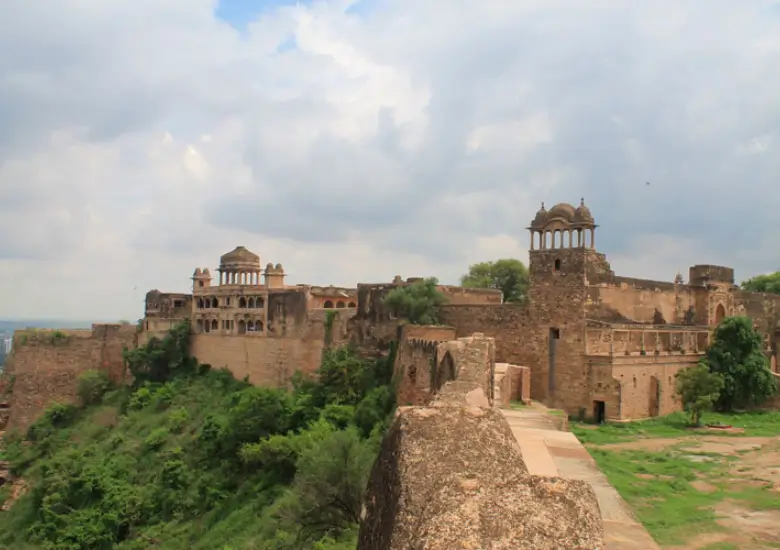
Standing prominently on a rocky hill within the national park, Ranthambore Fort is one of Rajasthan's oldest and most significant hill forts. Believed to date back to the tenth century, the fort has witnessed centuries of battles between Rajput rulers, the Delhi Sultanate and the Mughal Empire. Its strategic location overlooking the surrounding forests made it one of the strongest fortifications in northern India and today it forms part of the UNESCO World Heritage-listed Hill Forts of Rajasthan.
Visitors can explore ancient gateways, massive defensive walls, historic temples, reservoirs and palace ruins while enjoying panoramic views across the forests of Ranthambore National Park. The fort houses several important religious sites, including the famous Trinetra Ganesh Temple, which continues to attract thousands of pilgrims every year. Monkeys, peacocks and other wildlife are frequently seen around the fort, adding to its unique character.
The combination of medieval architecture, breathtaking viewpoints and surrounding wilderness makes Ranthambore Fort one of the park's most rewarding attractions beyond the safari experience.
Opening Hours: Daily, approximately 6:00 AM – 6:00 PM.
Trinetra Ganesh Temple
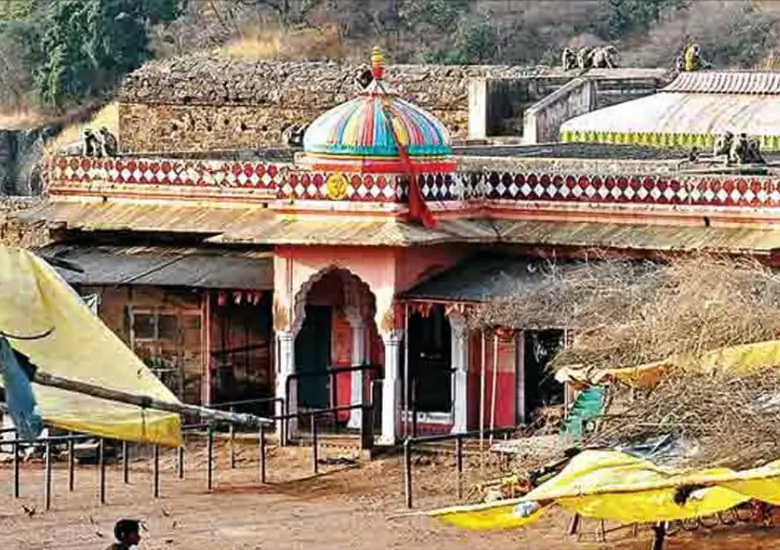
Located within the walls of Ranthambore Fort, the Trinetra Ganesh Temple is one of Rajasthan's oldest and most revered temples dedicated to Lord Ganesha. According to local tradition, the temple dates back more than seven centuries and is believed to house one of the rare idols depicting Lord Ganesha together with his entire family. Devotees from across India visit the temple throughout the year to seek blessings for prosperity, success and new beginnings.
One of the temple's unique traditions is the practice of sending wedding invitations by post to Lord Ganesha before marriage ceremonies take place. Thousands of invitation cards arrive at the temple every year, reflecting the deep faith associated with this sacred site. Visitors climbing to the temple also enjoy magnificent views of the surrounding forest and historic fortifications.
The temple remains an active place of worship and adds an important spiritual dimension to a visit to Ranthambore Fort. Modest clothing and respectful behaviour are recommended while visiting.
Opening Hours: Daily, approximately 6:00 AM – 7:00 PM.
Padam Talao
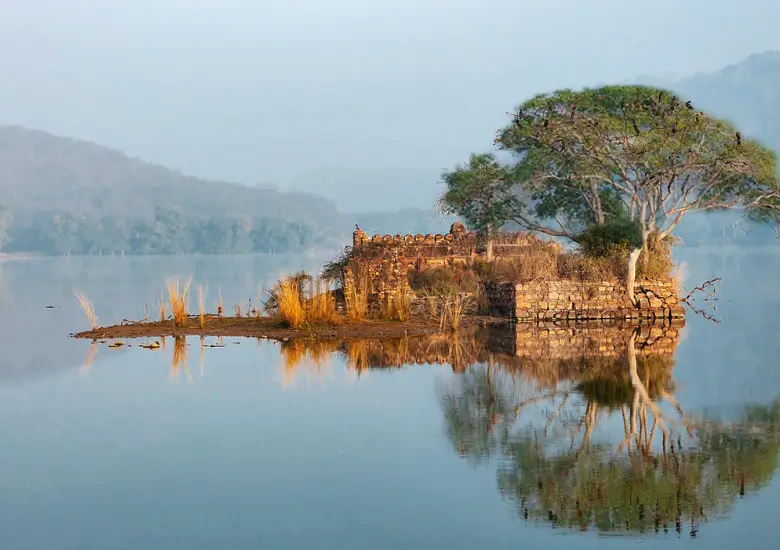
Padam Talao is the largest and most picturesque lake within Ranthambore National Park. Surrounded by open grasslands, ancient banyan trees and forested hills, the lake serves as one of the park's most important water sources and regularly attracts a wide variety of wildlife throughout the year. It is also one of the best locations in the reserve for observing tigers approaching the water, making it a favourite destination for wildlife photographers.
The historic Jogi Mahal, situated beside the lake, adds further character to the landscape. Although the building is no longer open to visitors, its distinctive red sandstone architecture remains one of the park's most recognisable landmarks. Marsh crocodiles, sambar deer, spotted deer, wild boar and numerous bird species are frequently seen around the lake, particularly during the cooler months.
Padam Talao beautifully illustrates the unique relationship between Ranthambore's wildlife, historic monuments and natural landscapes, making it one of the park's most memorable locations during a safari.
Rajbagh Ruins
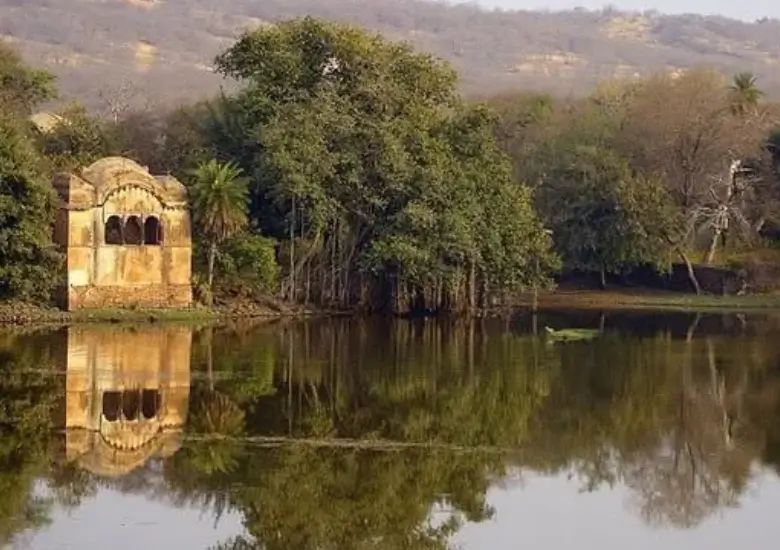
Hidden deep within the forests of Ranthambore National Park, the Rajbagh Ruins are among the park's most fascinating historical landmarks. Scattered across dense woodland near Rajbagh Talao, these centuries-old stone structures include palace remains, arches, pavilions and ancient gateways that have gradually been reclaimed by nature. Their mysterious appearance, surrounded by thick vegetation and wildlife, creates one of the most distinctive landscapes found in any national park in India.
The ruins are frequently visited by tigers, leopards, sambar deer and langurs, making them one of the best locations for wildlife photography. Images of Bengal tigers walking through the ancient stone arches of Rajbagh have become internationally recognised symbols of Ranthambore. The combination of history and wildlife gives this area a unique atmosphere rarely experienced elsewhere.
Although visitors cannot explore the ruins on foot, they are regularly viewed during safari drives through the designated park zones. The dramatic scenery around Rajbagh remains one of the highlights of any wildlife safari in Ranthambore.
Kachida Valley
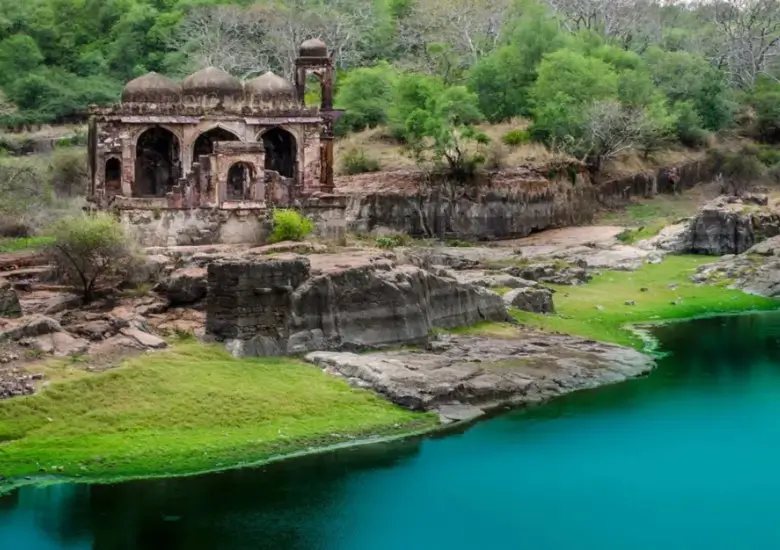
Kachida Valley forms one of the quieter regions of Ranthambore National Park and is known for its rocky hills, dense scrub forests and scenic natural beauty. The valley provides an ideal habitat for leopards, which often avoid areas occupied by tigers. Along with leopards, visitors may also encounter sloth bears, jackals, hyenas, blue bulls (nilgai), desert foxes and a variety of bird species.
The rugged terrain, narrow valleys and elevated viewpoints create excellent opportunities for landscape and wildlife photography. Unlike the more frequently visited tiger zones, Kachida Valley offers a peaceful safari experience where visitors can appreciate the diversity of Ranthambore's ecosystem beyond its famous tigers.
For wildlife enthusiasts interested in observing lesser-known species and exploring different habitats within the reserve, Kachida Valley provides an excellent addition to the safari experience.
Rajiv Gandhi Regional Museum of Natural History
Located in Sawai Madhopur, just outside the national park, the Rajiv Gandhi Regional Museum of Natural History offers an informative introduction to the wildlife and ecosystems of western India. The museum features interactive galleries covering Rajasthan's forests, desert landscapes, biodiversity and conservation programmes, making it an excellent stop before or after a safari.
Exhibits include life-sized wildlife displays, ecological models, geological collections, educational presentations and information about endangered species found across the region. Visitors gain valuable insight into tiger conservation, desert ecology and the importance of preserving India's natural heritage.
The museum is particularly suitable for families, students and travellers wishing to better understand the landscapes and wildlife they encounter during their visit to Ranthambore National Park.
Opening Hours: Tuesday to Sunday, 10:00 AM – 5:00 PM. Closed on Mondays.
Birdwatching in Ranthambore
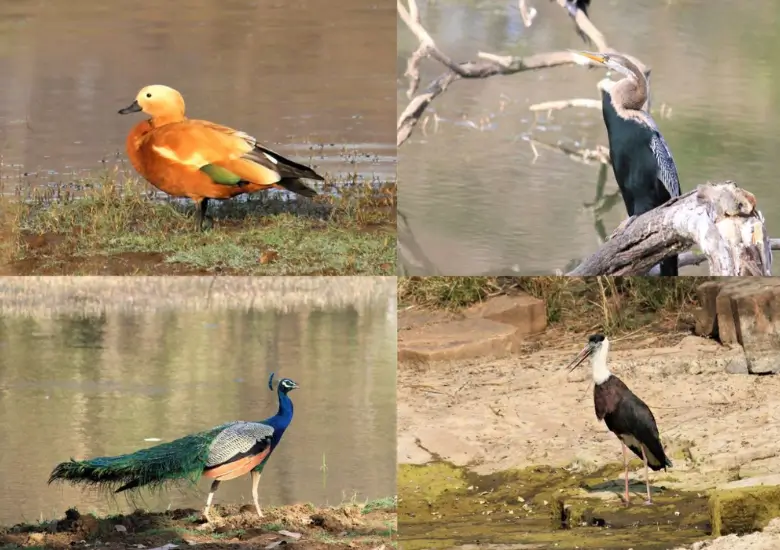
Ranthambore National Park is not only one of India's leading tiger reserves but also an outstanding destination for birdwatching. More than 300 species of resident and migratory birds have been recorded within the park, making it a rewarding destination for both experienced birdwatchers and casual nature enthusiasts.
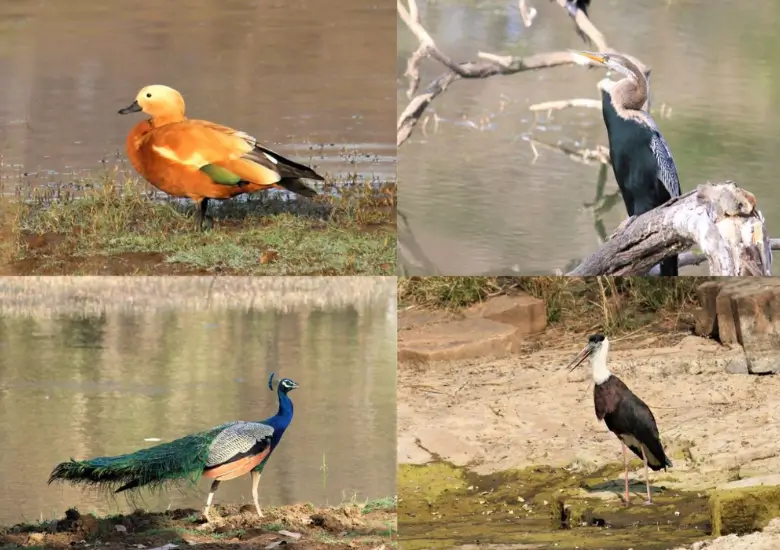
The lakes, wetlands and forested areas provide habitat for species including the Painted Stork, Black Stork, Grey Heron, Kingfisher, Crested Serpent Eagle, Changeable Hawk-Eagle, Indian Peafowl, Painted Spurfowl, Owl, Parakeet and numerous migratory waterbirds during the winter season. Early morning safaris offer the best opportunities for birdwatching, when activity is at its highest.
The remarkable diversity of birdlife adds another dimension to the Ranthambore experience, ensuring that every safari offers memorable wildlife encounters even when larger mammals remain hidden.
Luxury Jungle Resorts
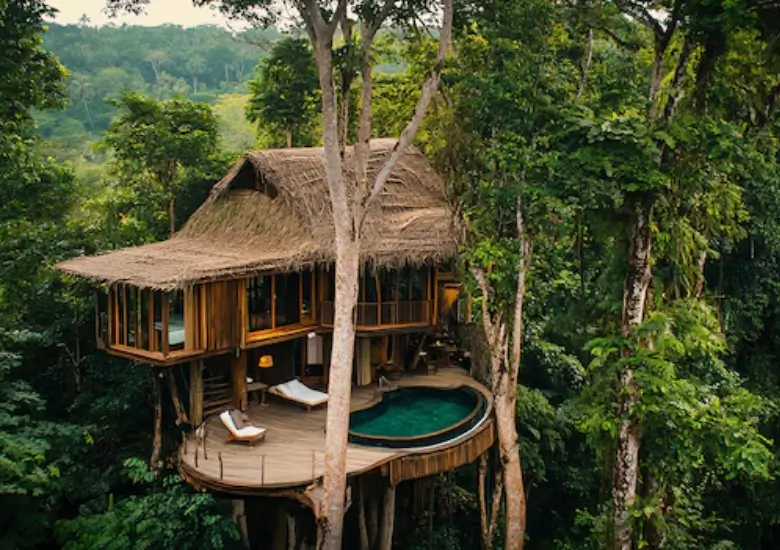
Ranthambore offers an outstanding collection of luxury jungle resorts that combine world-class hospitality with close access to the national park. Set amidst peaceful natural surroundings, these properties provide an ideal base for wildlife enthusiasts, photographers and families looking to enjoy a comfortable safari holiday. Spacious suites, landscaped gardens, wellness spas, fine dining restaurants and personalised safari arrangements ensure a relaxing stay before and after game drives.
Among the region's most prestigious luxury properties are The Oberoi Vanyavilas Wildlife Resort, widely regarded as one of India's finest luxury safari lodges; Aman-i-Khás, an exclusive tented wilderness retreat offering exceptional personalised service; SUJÁN Sher Bagh, renowned for its elegant safari tents and conservation-focused experiences; Nahargarh Ranthambhore, inspired by traditional Rajput architecture; The Tigress Resort & Spa, combining modern luxury with easy park access; and The Earth at Ranthambore, a boutique luxury retreat surrounded by nature.
Many resorts organise private naturalist talks, village excursions, birdwatching walks and curated dining experiences alongside safari bookings, allowing guests to enjoy a complete wildlife holiday with exceptional comfort and hospitality.
Best Time to Visit Ranthambore National Park
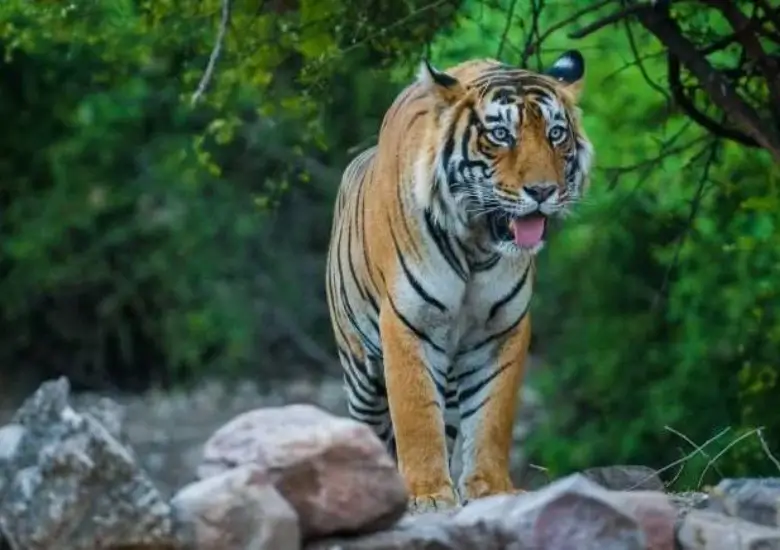
Ranthambore National Park is open to visitors from October to June, with each season offering different wildlife viewing opportunities. The most pleasant weather for safaris is between October and March, when cool mornings and comfortable daytime temperatures create ideal conditions for exploring the park. This period is especially popular with photographers and international travellers visiting Rajasthan during the winter months.
The summer season (April to June) is considerably warmer, with temperatures often exceeding 40°C, but it is also regarded as one of the best times for tiger sightings. As natural water sources become limited, wildlife frequently gathers around lakes and watering holes, increasing the chances of observing Bengal tigers and other animals during safari drives.
The park remains closed during the monsoon season (July to September) in most zones to protect wildlife and road conditions, although a few designated buffer zones may remain open depending on weather and forest department regulations.
Tell Us About
Your Vision for India
Share your travel aspirations, and our dedicated destination specialists will curate a bespoke itinerary - thoughtfully designed around your preferences, complete with handpicked recommendations and transparent pricing. Every inquiry is treated with the discretion and attention it deserves, with a detailed response delivered within 24 hours, entirely without obligation.
Where Your India Story Begins
Every remarkable journey through India begins with a conversation. Connect with our specialists today, and allow us to transform your vision into a seamlessly curated, once-in-a-lifetime experience.