
- /
- Destinations
- Jaipur Travel Guide
Jaipur Travel Guide
Jaipur Travel Guide, Tourist Attractions & Tours
Jaipur is the capital of Rajasthan and one of India's most recognised heritage cities. Established in 1727 by Maharaja Sawai Jai Singh II, it was among the first planned cities in the country and continues to preserve its royal identity through magnificent forts, grand palaces and beautifully designed streets. The city's distinctive pink-coloured buildings, introduced in the nineteenth century to welcome the Prince of Wales, earned Jaipur the name "Pink City" and remain one of its defining features today.
The city forms an important part of India's famous Golden Triangle route alongside Delhi and Agra, making it one of the most visited destinations for international travellers. Jaipur combines centuries of Rajput history with modern hospitality, offering luxury heritage hotels, private guided sightseeing, traditional markets and excellent dining. Visitors can spend their mornings exploring UNESCO World Heritage Sites, browse colourful bazaars during the afternoon and enjoy cultural performances or fine dining in restored royal residences after sunset.
Architecture is one of Jaipur's greatest attractions. Massive hilltop forts overlook the city, elegant palaces display intricate carvings and beautifully painted gateways, while astronomical observatories demonstrate the scientific achievements of Rajasthan's former rulers. Every monument reflects a different period of Jaipur's royal history and showcases remarkable craftsmanship that has survived for generations. The city also remains one of India's leading centres for jewellery, handcrafted textiles, blue pottery, marble work and traditional block printing, allowing visitors to witness artisans practising skills that have been passed down for centuries.
Jaipur's appeal extends far beyond its monuments. Traditional Rajasthani cuisine, lively festivals, camel carts sharing roads with modern traffic and colourful local markets create an atmosphere unlike anywhere else in India. Whether travelling as a couple, with family or on a private luxury holiday, Jaipur offers a balanced combination of history, culture, shopping and authentic local life. Comfortable transportation, excellent tourist infrastructure and a wide choice of accommodation make the city an ideal destination for both first-time visitors and those returning to explore Rajasthan in greater depth.
Jaipur's location also makes it an excellent base for exploring several of Rajasthan's historic landmarks beyond the city limits. Day excursions to places such as Samode Palace, Abhaneri Stepwell, Chand Baori and the sacred town of Galta Ji provide additional insight into the region's architectural and cultural heritage. The city's well-connected international airport, modern road network and regular rail services ensure convenient travel from major destinations across India. Throughout the year, Jaipur hosts festivals, literary events, polo matches and traditional celebrations that highlight the continuing influence of Rajasthan's royal traditions. This blend of living heritage, modern comforts and exceptional hospitality has established Jaipur as one of India's most rewarding destinations for travellers seeking a deeper understanding of the country's history and culture.
Related Tours
 03 Night / 04 Days
 06 Nights / 07 Days
 05 Nights / 06 Days
 04 Nights / 05 Days
 15 Nights / 16 Days
 10 Nights / 11 Days
 12 Nights / 13 Days
 14 Nights / 15 Days
Major Tourist Spots in Jaipur Travel Guide
Amber Fort
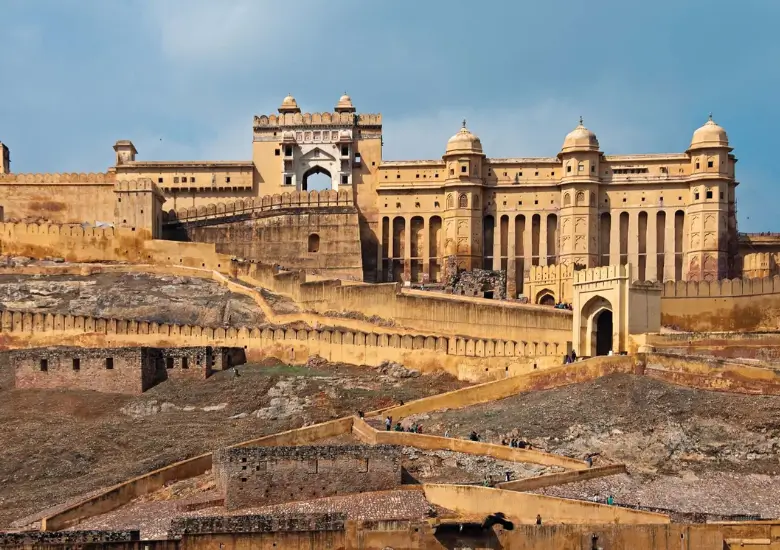
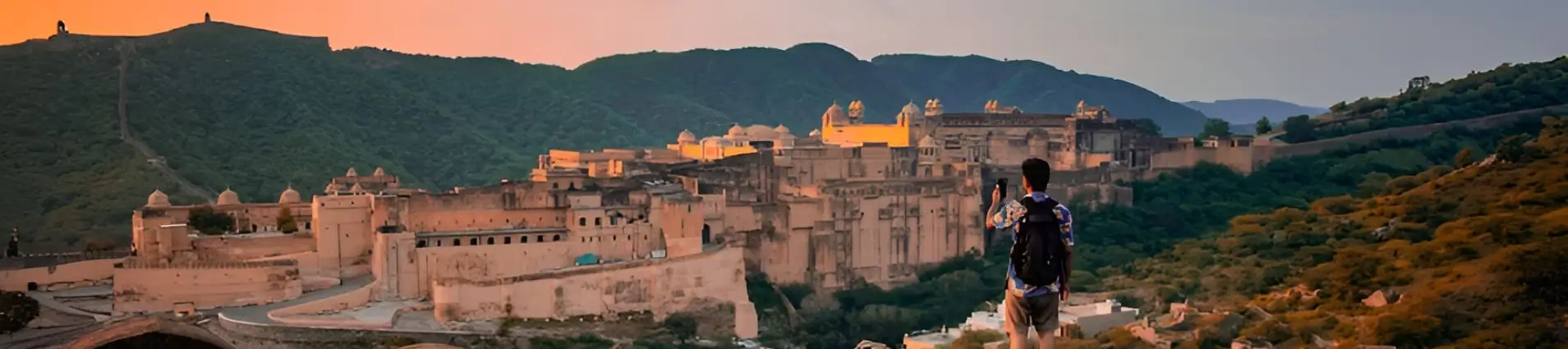
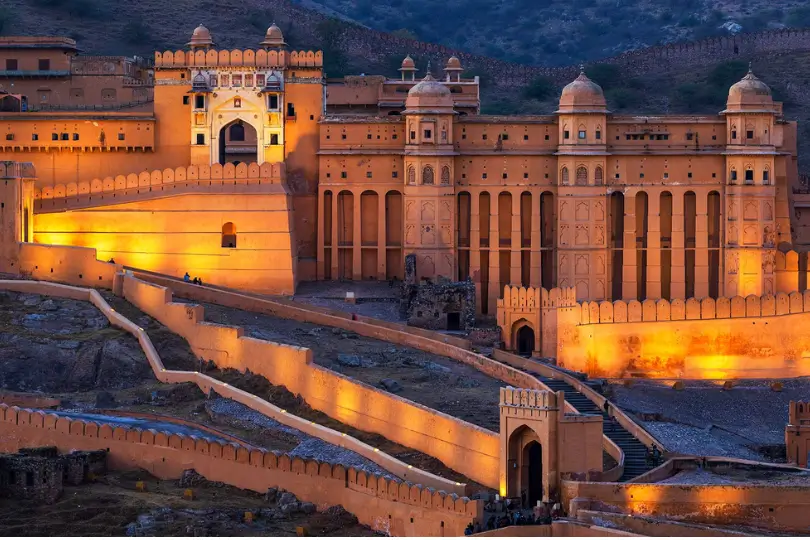
Amber Fort is Jaipur's most celebrated monument and one of the finest examples of Rajput architecture in India. Located about 11 kilometres from the city centre, the fort was constructed during the sixteenth century by Raja Man Singh I and later expanded by successive rulers of the Kachwaha dynasty. Built from red sandstone and white marble, the fort stands on a hillside overlooking Maota Lake, creating one of Rajasthan's most recognisable landscapes. Its strategic position protected the former kingdom while allowing the royal family to reside within an elaborate complex of palaces, courtyards and defensive walls.
The fort's architecture reflects a remarkable blend of Rajput and Mughal influences. Visitors pass through impressive gateways before entering a series of royal courtyards that once hosted ceremonial gatherings and military processions. Among the most admired sections are the Diwan-i-Aam (Hall of Public Audience), Ganesh Pol, Sukh Niwas and the famous Sheesh Mahal, where thousands of tiny mirror pieces decorate the walls and ceilings with extraordinary precision. Marble carvings, painted arches, ornamental windows and beautifully landscaped gardens demonstrate the exceptional craftsmanship of Rajasthan's artisans during the royal era.
A walk through Amber Fort offers far more than impressive architecture. The palace complex provides sweeping views across the Aravalli Hills, Maota Lake and the surrounding countryside, making it one of Jaipur's finest photography locations. Early morning visits are particularly rewarding, when the softer light highlights the colours of the sandstone walls and the fort is relatively peaceful. Private guided tours help visitors understand the lives of Jaipur's rulers, the defensive design of the fortress and the traditions that shaped one of Rajasthan's greatest royal residences. For most travellers, Amber Fort remains the highlight of any visit to Jaipur and an essential introduction to the city's rich historical legacy.
City Palace
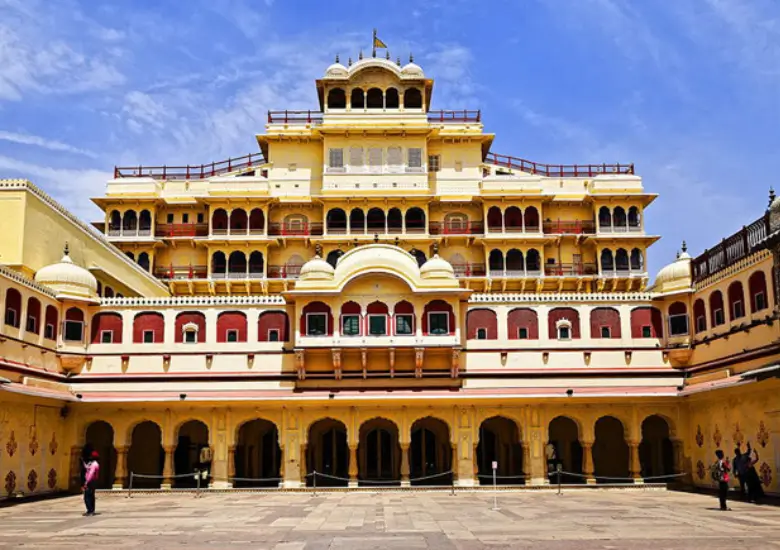
Situated in the heart of Jaipur's historic centre, the City Palace continues to serve as the ceremonial residence of Jaipur's former royal family while welcoming visitors to one of Rajasthan's most elegant palace complexes. Commissioned by Maharaja Sawai Jai Singh II after the founding of Jaipur, the palace combines Rajput, Mughal and European architectural styles, reflecting the changing artistic influences that shaped the kingdom over several centuries. Spacious courtyards, decorative gateways, royal museums and beautifully preserved buildings together create one of the city's most important cultural landmarks.
The palace complex houses an outstanding collection of royal costumes, ceremonial weapons, manuscripts, paintings and artefacts that illustrate the history of the Kachwaha dynasty. Mubarak Mahal and Chandra Mahal are among its principal attractions, while the four richly decorated seasonal gates inside Pritam Niwas Chowk have become some of Jaipur's most photographed architectural features. The Peacock Gate, symbolising autumn, is particularly admired for its intricate craftsmanship and vibrant colours.
Beyond its architectural beauty, the City Palace offers visitors an opportunity to understand Jaipur's continuing royal traditions. Parts of the palace remain occupied by the royal family, preserving a direct connection between the city's historic past and present day. Guided visits provide fascinating insight into royal ceremonies, court life and the cultural heritage that continues to define Jaipur as one of India's foremost heritage destinations.
Hawa Mahal
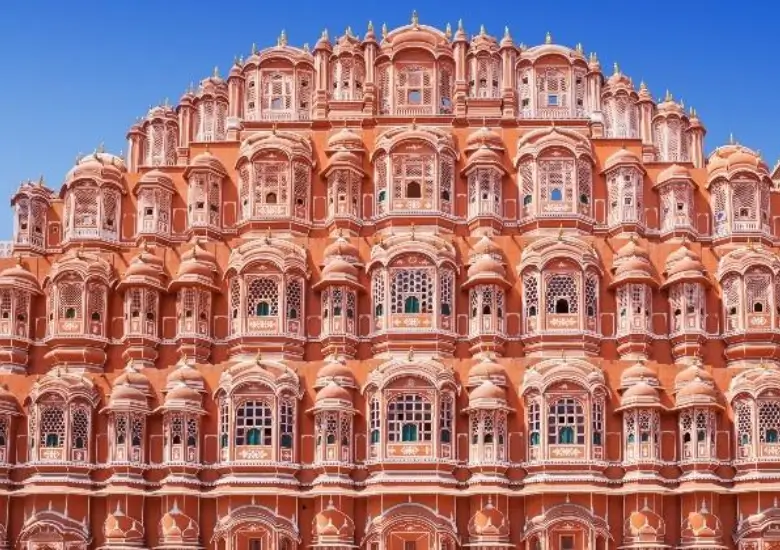
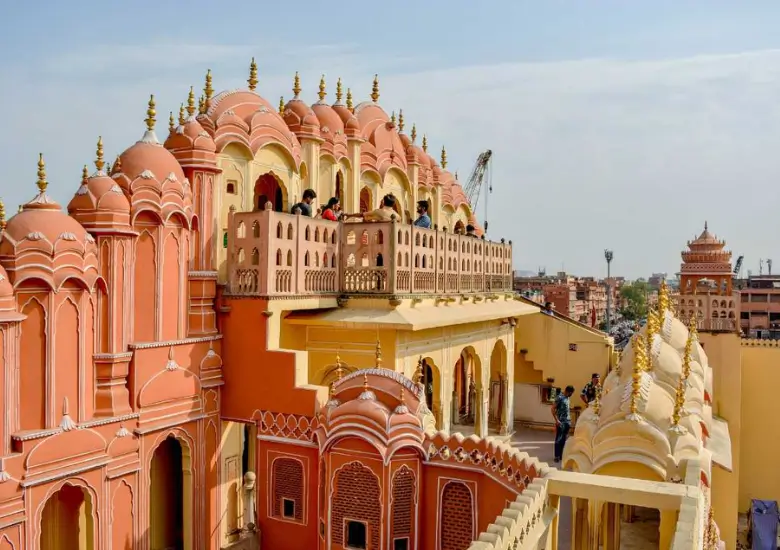
Hawa Mahal is Jaipur's most recognisable landmark and one of the finest examples of Rajput architecture. Built in 1799 by Maharaja Sawai Pratap Singh, the five-storey structure was designed by architect Lal Chand Ustad using pink and red sandstone to complement the city's distinctive appearance. Its remarkable façade, decorated with hundreds of finely crafted lattice windows, resembles the crown of Lord Krishna and has become one of the most photographed monuments in India.
The palace was constructed as an extension of the City Palace to allow the royal ladies to observe daily life, religious processions and festivals taking place along the busy streets below without being seen by the public. This design reflected the royal customs of the period while also providing natural ventilation throughout the building. The numerous small windows and screened balconies allow cool air to circulate inside, giving the monument its popular name, the "Palace of Winds."
Although the exterior attracts most attention, the interior offers equally rewarding views across Jaipur's old city. Narrow passageways, small chambers and elevated balconies lead visitors to panoramic viewpoints overlooking Jantar Mantar, the City Palace and the colourful markets surrounding the monument. Early morning is considered the best time to visit, when sunlight illuminates the pink sandstone façade and the surrounding streets gradually come to life. Hawa Mahal remains one of Jaipur's defining symbols and an essential stop for anyone interested in the city's royal heritage and architectural beauty.
Jantar Mantar
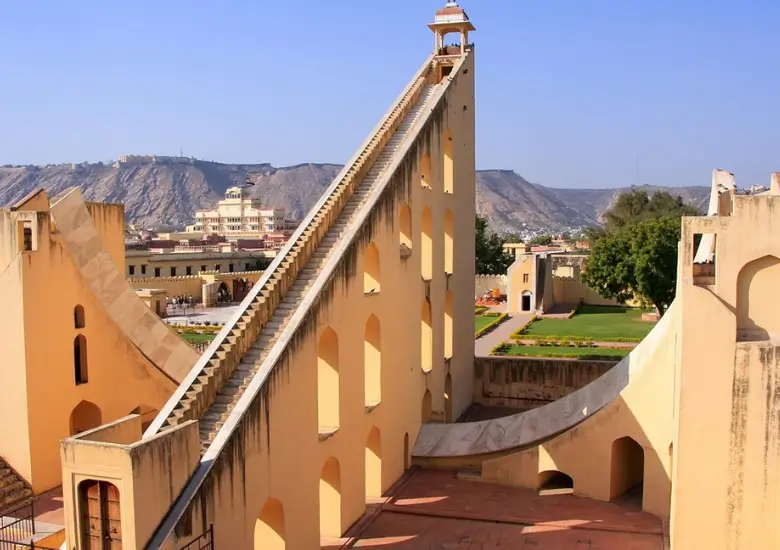
Jantar Mantar stands beside the City Palace and represents one of the greatest scientific achievements of eighteenth-century India. Commissioned by Maharaja Sawai Jai Singh II between 1728 and 1734, the observatory was created to improve astronomical calculations and remains the largest stone observatory in the world. Its historical and scientific importance earned it recognition as a UNESCO World Heritage Site, attracting visitors interested in astronomy, mathematics and architectural innovation.
The observatory contains nineteen massive instruments, each designed for a specific astronomical purpose. These structures measure time, predict eclipses, determine planetary positions and calculate seasonal changes with impressive precision. The Samrat Yantra, the world's largest stone sundial, remains one of the site's most remarkable features and can still measure local time with extraordinary accuracy under suitable conditions. The scale and engineering of these instruments continue to impress scientists and visitors alike.
Walking through Jantar Mantar provides a different perspective on Jaipur's royal history, highlighting not only the city's architectural achievements but also its contribution to scientific knowledge. Informative guided tours explain the function of each instrument and demonstrate how astronomical observations influenced calendars, ceremonies and everyday life during the reign of Maharaja Sawai Jai Singh II. For travellers interested in history beyond forts and palaces, Jantar Mantar offers one of Jaipur's most fascinating and intellectually rewarding attractions.
Nahargarh Fort
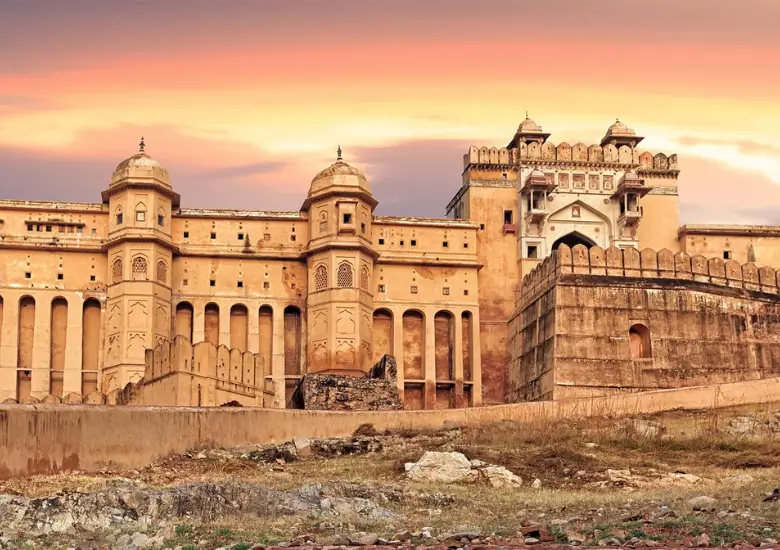
Perched along the rugged ridges of the Aravalli Hills, Nahargarh Fort overlooks the entire city of Jaipur and offers some of the most spectacular panoramic views in Rajasthan. Built in 1734 by Maharaja Sawai Jai Singh II, the fort originally formed part of Jaipur's defensive system alongside Amber Fort and Jaigarh Fort. Although it was designed for protection, Nahargarh later became a royal retreat where members of the royal family spent time away from the formal surroundings of the City Palace.
One of the fort's most interesting sections is Madhavendra Bhawan, a beautifully designed palace commissioned by Maharaja Sawai Madho Singh II. The complex contains a series of elegant suites built for the king and his queens, each connected through carefully planned corridors while maintaining complete privacy. Painted interiors, decorative arches, courtyards and delicate frescoes provide an insight into the refined lifestyle enjoyed by Jaipur's royal household during the nineteenth century.
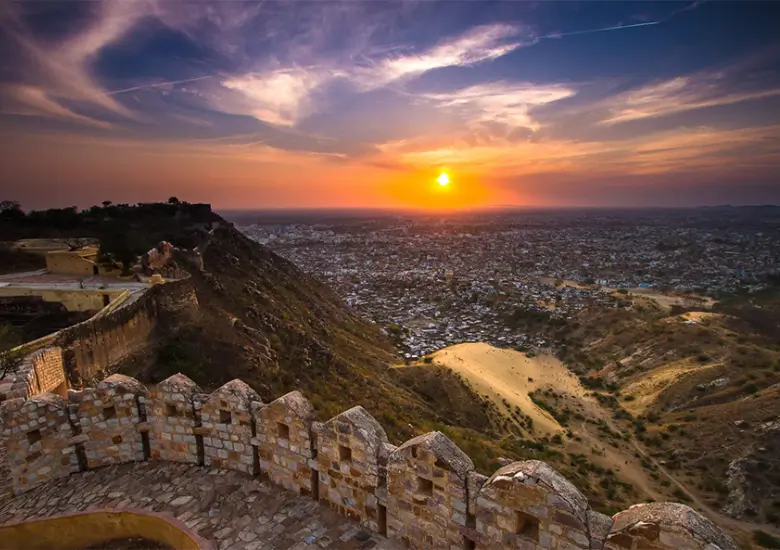
Today, Nahargarh Fort is equally admired for its breathtaking setting. Visitors can enjoy uninterrupted views of Jaipur's historic centre, modern neighbourhoods and surrounding hills, particularly during sunrise and sunset when the city is bathed in warm golden light. The peaceful atmosphere, combined with its historical importance and impressive architecture, makes Nahargarh one of Jaipur's most rewarding attractions for photographers, history enthusiasts and anyone wishing to appreciate the city's remarkable landscape from above.
Jaigarh Fort
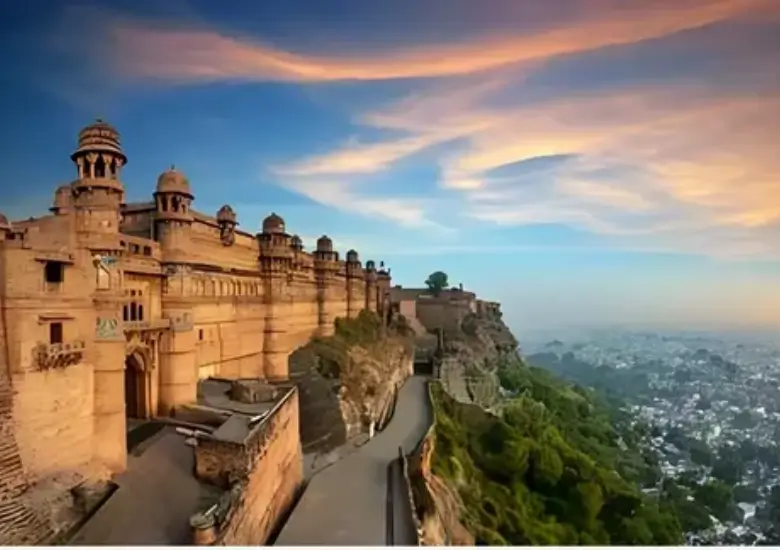
Standing on the Cheel Ka Teela hill above Amber Fort, Jaigarh Fort was constructed in 1726 by Maharaja Sawai Jai Singh II to strengthen the defence of the kingdom and protect the royal treasury. Unlike many royal residences in Rajasthan, Jaigarh was built primarily as a military fortress, with thick defensive walls, watchtowers, underground passages and extensive water storage systems reflecting its strategic importance. The fort stretches across the hilltop and remains one of the best-preserved military structures in India.
Jaigarh is best known for housing the legendary Jaivana Cannon, one of the largest wheeled cannons ever built. Cast within the fort itself during the early eighteenth century, the enormous cannon symbolised the military strength of the Kachwaha rulers. Visitors can also explore armouries, ancient foundries, royal granaries and observation points that once played an essential role in defending Jaipur from invading armies. The fort's engineering and military planning continue to attract historians and architecture enthusiasts from around the world.
The elevated position of Jaigarh Fort provides sweeping views of Amber Fort, Maota Lake and the surrounding Aravalli landscape. Many visitors combine both forts on the same day, gaining a deeper understanding of how Jaipur's defensive network was designed. Quiet pathways, impressive stone architecture and fewer crowds create a relaxed atmosphere, making Jaigarh an excellent destination for those interested in Rajasthan's military history and royal engineering.
Albert Hall Museum
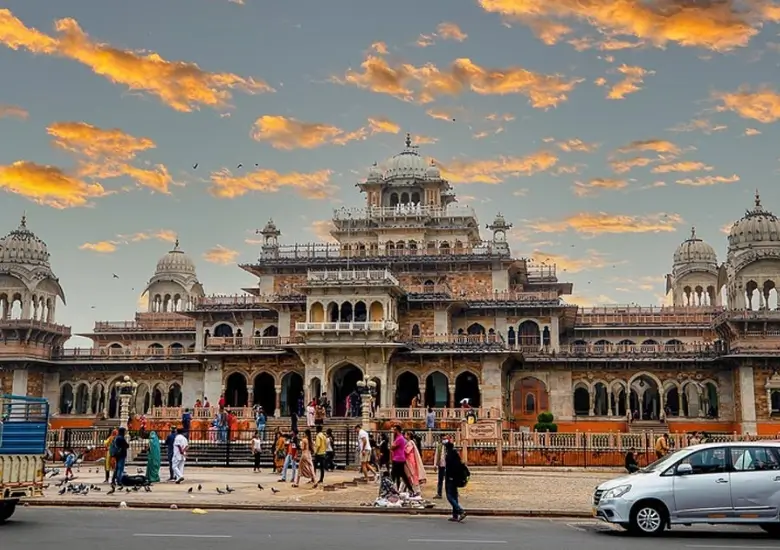
Located in the centre of Ram Niwas Garden, Albert Hall Museum is the oldest museum in Rajasthan and one of Jaipur's most distinguished examples of Indo-Saracenic architecture. Completed in 1887 during the reign of Maharaja Sawai Madho Singh II, the building was named in honour of Prince Albert Edward, who later became King Edward VII. Its beautifully carved arches, domes and corridors make the museum itself an architectural attraction long before visitors step inside.
The museum's extensive galleries display an impressive collection of paintings, sculptures, carpets, miniature artworks, traditional costumes, jewellery, musical instruments and decorative objects collected from different regions of India and beyond. One of its most notable exhibits is an Egyptian mummy, which has fascinated visitors for decades alongside the museum's rich collection of historical artefacts that illustrate Rajasthan's artistic and cultural heritage.
Albert Hall Museum offers a different perspective on Jaipur by focusing on art, craftsmanship and daily life rather than royal palaces alone. The surrounding gardens provide a pleasant setting for a leisurely walk, while the illuminated building during the evening creates one of the city's most attractive landmarks. A visit here complements Jaipur's forts and palaces by presenting a broader understanding of Rajasthan's cultural traditions and artistic achievements.
Johari Bazaar
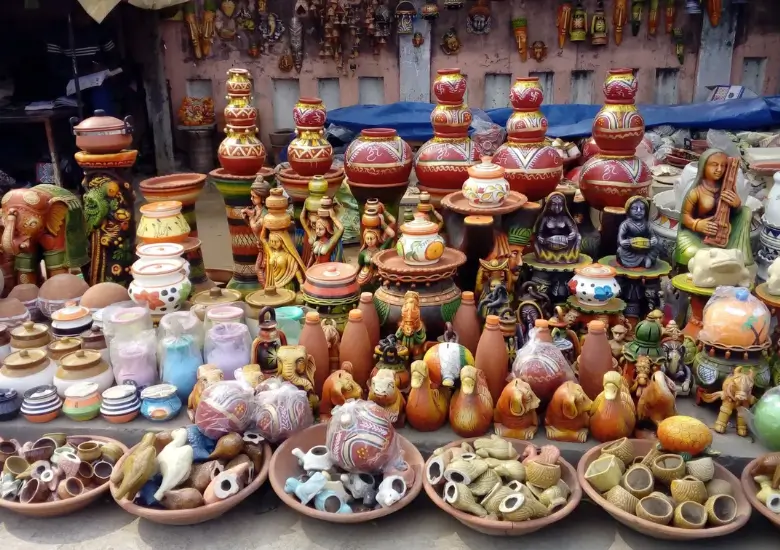
Johari Bazaar is one of Jaipur's oldest and most famous marketplaces, recognised throughout India for its exceptional collection of gemstones, handcrafted jewellery and traditional Rajasthani craftsmanship. Located within the historic walled city, the market has served merchants, jewellers and artisans for centuries and continues to attract visitors looking for authentic products rather than mass-produced souvenirs. The rows of heritage buildings, painted in Jaipur's signature pink colour, add to the charm of this lively commercial district.
Jaipur has long been recognised as one of the world's leading centres for gemstone cutting and jewellery manufacturing, and Johari Bazaar reflects this rich tradition. Visitors can browse stores displaying diamonds, emeralds, rubies, sapphires, kundan jewellery, meenakari work and handcrafted silver ornaments created by skilled local craftsmen. Many family-owned businesses have passed their expertise from one generation to the next, maintaining techniques that have been practised for hundreds of years.
Beyond jewellery, the market offers an authentic glimpse into everyday life in the Pink City. Traditional sweet shops, textile stores, handicraft boutiques and small cafés line the bustling streets, creating a vibrant atmosphere throughout the day. Walking through Johari Bazaar allows visitors to appreciate Jaipur's commercial heritage while shopping for locally produced items that represent the city's artistic traditions.
Bapu Bazaar
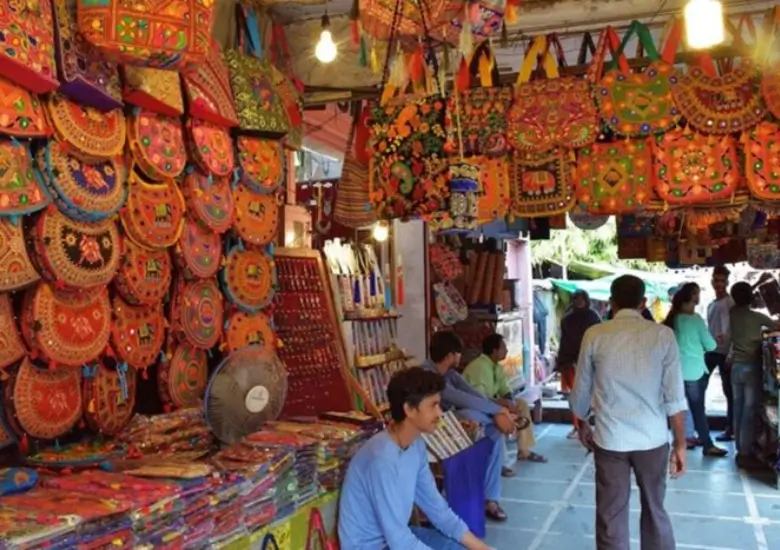
Bapu Bazaar is among Jaipur's most popular shopping destinations for textiles, leather goods, handicrafts and traditional Rajasthani products. Conveniently located near the old city, the market is particularly well known for colourful fabrics, hand-block printed garments, embroidered textiles, mojari footwear and decorative home furnishings. Its lively atmosphere makes it a favourite stop for travellers wishing to take home authentic souvenirs from Rajasthan.
The market showcases the craftsmanship for which Jaipur has earned an international reputation. Shops display handcrafted quilts, scarves, pottery, wooden artefacts, brass items and locally produced handicrafts that reflect the region's artistic heritage. Visitors interested in traditional clothing will also find a wide selection of sarees, kurtas, turbans and other garments featuring Rajasthan's distinctive colours and patterns.
Bapu Bazaar is not simply a shopping district but also a place to observe local life. Friendly shopkeepers, traditional food stalls and constant activity create an energetic environment throughout the day. For many visitors, spending time here provides an enjoyable contrast to Jaipur's historic monuments while introducing another important aspect of the city's cultural identity.
Chokhi Dhani
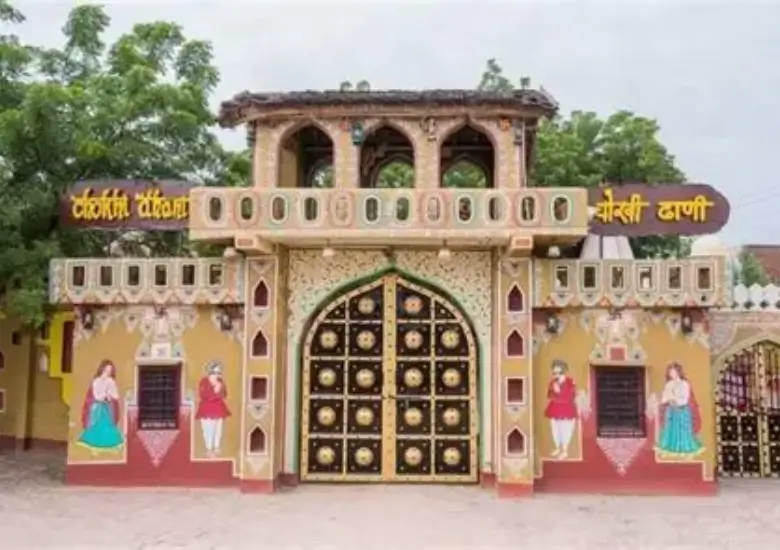
Chokhi Dhani presents a traditional Rajasthani village setting where visitors can enjoy local culture, cuisine and folk entertainment in a single location. Established to preserve and showcase Rajasthan's rural traditions, the complex recreates the atmosphere of a village through traditional architecture, handcrafted decorations and performances by local artists. It has become one of Jaipur's best-known cultural attractions, particularly for international visitors wishing to gain a broader understanding of Rajasthan beyond its forts and palaces.
Throughout the evening, guests can watch folk dances, puppet shows, traditional music performances, camel rides, magic shows and demonstrations by village craftsmen. Artists dressed in colourful regional attire perform customs that have been passed down through generations, creating an engaging introduction to Rajasthan's cultural heritage. The relaxed surroundings allow visitors to enjoy these activities at their own pace while interacting with local performers and artisans.
One of the highlights of Chokhi Dhani is its traditional Rajasthani dinner, served in customary style with a wide variety of regional specialities. Meals are presented with the warm hospitality for which Rajasthan is famous, allowing guests to sample authentic flavours while enjoying live cultural performances. The combination of local food, music, crafts and traditional entertainment makes Chokhi Dhani a memorable addition to any visit to Jaipur.
Elefantastic
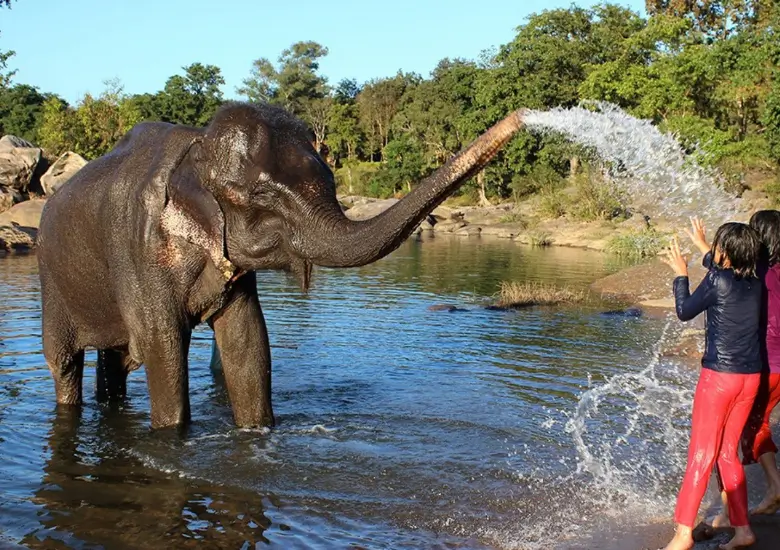
Elefantastic is one of Jaipur's most respected ethical elephant care centres, offering visitors the opportunity to spend time with rescued and well-cared-for elephants in a natural and responsible environment. Located on the outskirts of the city, the centre was established to promote elephant welfare while creating meaningful interactions that prioritise the animals' health and comfort. Unlike traditional elephant attractions, the focus here is on education, conservation and respectful engagement rather than entertainment.
Visitors are introduced to the elephants by experienced caretakers who explain their individual stories, daily routines, dietary needs and the important role elephants have played in India's cultural and royal history. Guests can help prepare food, feed the elephants by hand and observe the close bond between the animals and their lifelong mahouts. The programme also provides insight into the centre's ongoing efforts to improve elephant welfare through responsible tourism and proper veterinary care.
Depending on the selected programme and seasonal conditions, visitors may also participate in activities such as walking alongside the elephants, assisting with bathing sessions and learning about traditional natural painting techniques using safe, plant-based colours. These experiences are conducted under close supervision and are designed to ensure the elephants are never forced into activities that may cause discomfort or stress. For travellers seeking an ethical wildlife encounter during their stay in Jaipur, Elefantastic offers a thoughtful and memorable experience that combines education, conservation and genuine respect for these remarkable animals.
Traditional Rajasthani Cuisine
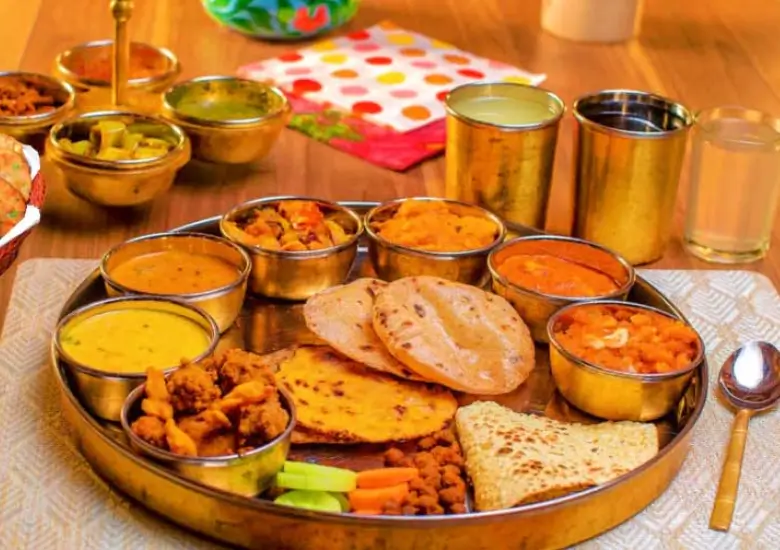
Jaipur is one of the best places in Rajasthan to enjoy authentic regional cuisine prepared using recipes that have been preserved for generations. Rich flavours, aromatic spices and traditional cooking techniques define many of the city's signature dishes. Dal Baati Churma remains the best-known local speciality, while Laal Maas, Gatte Ki Sabzi, Ker Sangri, Pyaaz Kachori and Mirchi Vada are equally popular among visitors wishing to sample traditional Rajasthani food. Sweet lovers often look for Ghewar, Mawa Kachori and Rabri, which are widely available in the city's historic sweet shops.
From elegant fine-dining restaurants inside heritage hotels to family-run eateries in the old city, Jaipur offers dining experiences suitable for every traveller. Many luxury hotels also present curated Rajasthani thali dinners accompanied by folk music and cultural performances, allowing guests to enjoy the region's culinary traditions in an authentic setting.
Luxury Heritage Hotels in Jaipur
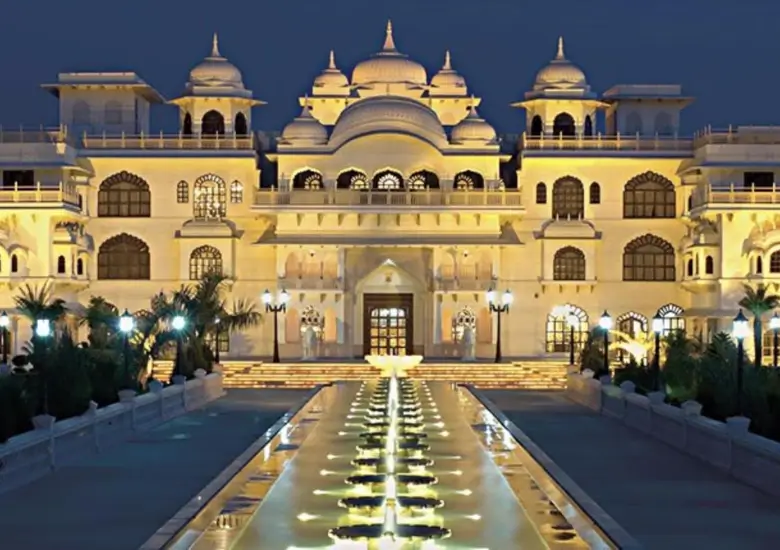
Jaipur is one of India's finest destinations for heritage hospitality, where former royal palaces, noble residences and historic mansions have been transformed into luxurious hotels without losing their original architectural character. Staying in one of these remarkable properties offers far more than comfortable accommodation-it provides an opportunity to experience the elegance, traditions and hospitality once reserved for Rajasthan's royal families. Ornate courtyards, hand-painted ceilings, marble halls, landscaped gardens and antique interiors create an atmosphere that reflects the city's regal heritage.
Some of Jaipur's most distinguished luxury hotels include Rambagh Palace, the former residence of the Maharaja of Jaipur and one of India's most iconic palace hotels; Rajmahal Palace RAAS Jaipur, celebrated for its royal history and elegant interiors; Taj Amer, overlooking the Aravalli Hills near Amber Fort; The Oberoi Rajvilas, renowned for its luxurious villas, landscaped gardens and exceptional service; Fairmont Jaipur, inspired by traditional Rajput architecture; and Samode Haveli, a beautifully restored heritage mansion offering an intimate and authentic Rajasthani experience.
From award-winning fine dining and traditional cultural performances to world-class spa facilities and personalised hospitality, Jaipur's luxury heritage hotels provide an unforgettable stay. For many international travellers, spending a few nights in one of these magnificent properties becomes one of the most memorable highlights of a journey through Rajasthan.
Day Excursions from Jaipur
Jaipur also serves as an excellent base for visiting several historic and cultural attractions located within a short driving distance of the city. Chand Baori at Abhaneri is one of India's largest and most beautifully designed stepwells, admired for its remarkable geometric architecture. The nearby Harshat Mata Temple further enriches the historical significance of the area.
Other popular excursions include Samode Palace, known for its magnificent frescoes and royal interiors, Galta Ji Temple, often referred to as the Monkey Temple, and Bagru Village, where visitors can observe traditional hand block printing techniques that have been practised for centuries. These destinations provide a deeper understanding of Rajasthan's artistic traditions and rural heritage while complementing Jaipur's famous monuments.
Jal Mahal
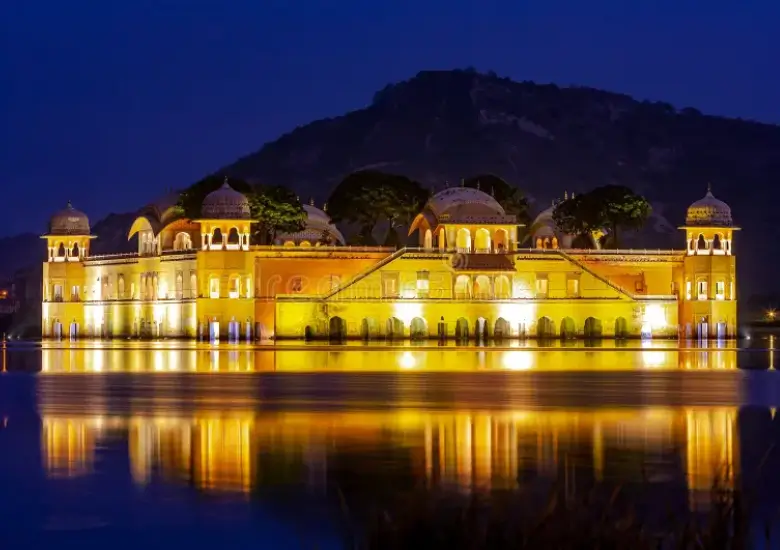
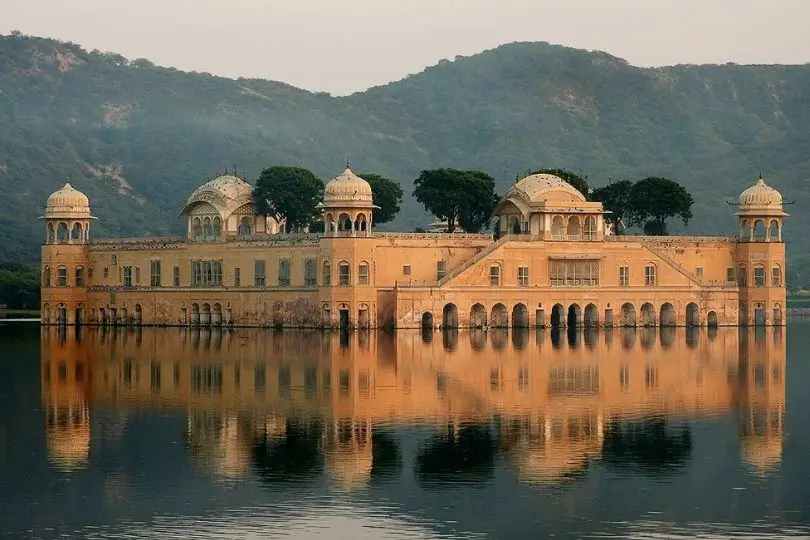
Jal Mahal, or the Water Palace, is one of Jaipur's most photographed landmarks. Built during the eighteenth century in the middle of Man Sagar Lake, the palace appears to float gracefully on the water, creating a striking view against the backdrop of the Aravalli Hills. Although visitors cannot enter the palace itself, the lakeside promenade offers excellent opportunities for photography, especially during sunrise and sunset when the reflection of the palace creates a spectacular scene.
The surrounding area has become a popular stop for sightseeing, leisurely walks and enjoying local street food while taking in panoramic views of the lake. During the winter months, migratory birds can often be seen around the lake, adding to the natural beauty of the location.
Birla Mandir
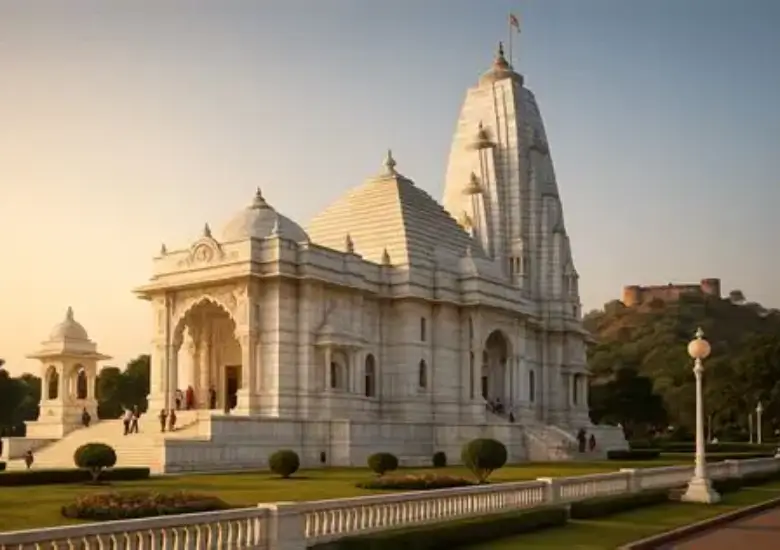
Birla Mandir, also known as the Lakshmi Narayan Temple, is one of Jaipur's most peaceful religious landmarks. Constructed entirely from white marble, the temple is dedicated to Lord Vishnu and Goddess Lakshmi and is admired for its elegant architecture, beautifully carved pillars and tranquil surroundings at the base of Moti Dungri Hill. Unlike many historic temples, Birla Mandir reflects a more contemporary architectural style while maintaining traditional Hindu design elements.
The temple welcomes visitors of all faiths and is especially beautiful during the evening when the marble structure is illuminated with soft lighting. Photography is generally permitted in the temple gardens, although visitors are expected to dress modestly and remove their footwear before entering the prayer hall.
Opening Hours: Daily, approximately 8:00 AM – 12:00 PM and 4:00 PM – 9:00 PM.
Galtaji Temple (Monkey Temple)
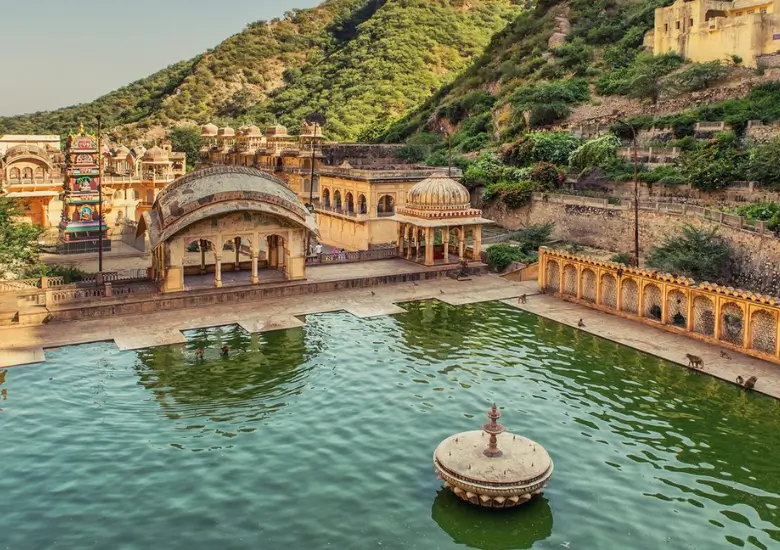
Situated within a narrow valley surrounded by the Aravalli Hills, Galtaji Temple is one of Jaipur's oldest pilgrimage sites. The temple complex consists of several shrines, sacred water tanks (kunds), natural springs and beautifully painted pavilions dating back several centuries. It is popularly known as the Monkey Temple because of the large number of monkeys that inhabit the surrounding hills and temple परिसर.
Pilgrims visit Galtaji throughout the year to bathe in the sacred water tanks, while visitors appreciate the peaceful setting, historic architecture and panoramic views of the surrounding landscape. Early morning visits are recommended, when the atmosphere is calm and the temperature is pleasant for walking through the temple complex.
Opening Hours: Daily, approximately 5:00 AM – 9:00 PM. Modest clothing is recommended while visiting the temple.
Hot Air Balloon Ride
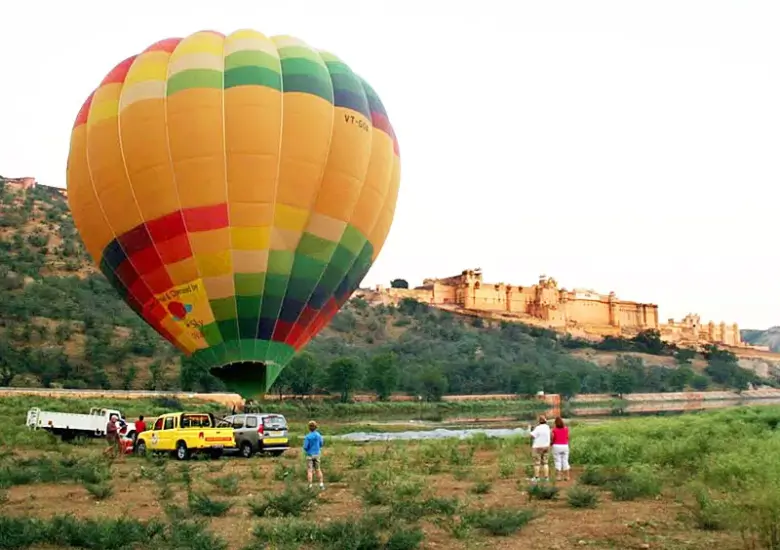
A hot air balloon flight offers one of the most memorable ways to admire Jaipur's historic landscape from above. Flights usually take place shortly after sunrise or before sunset, when weather conditions are most suitable. As the balloon gently rises over the countryside, passengers enjoy panoramic views of Amber Fort, Jaigarh Fort, Nahargarh Fort, rural villages, ancient temples and the surrounding Aravalli Hills.
Each flight is operated by trained commercial pilots under favourable weather conditions and typically lasts between 45 and 60 minutes, depending on wind speed. The peaceful journey provides outstanding opportunities for photography and is especially popular with honeymoon couples, families and travellers celebrating special occasions.
Flight Timings: Generally early morning and late afternoon, subject to weather conditions and seasonal availability.
International Kite Festival
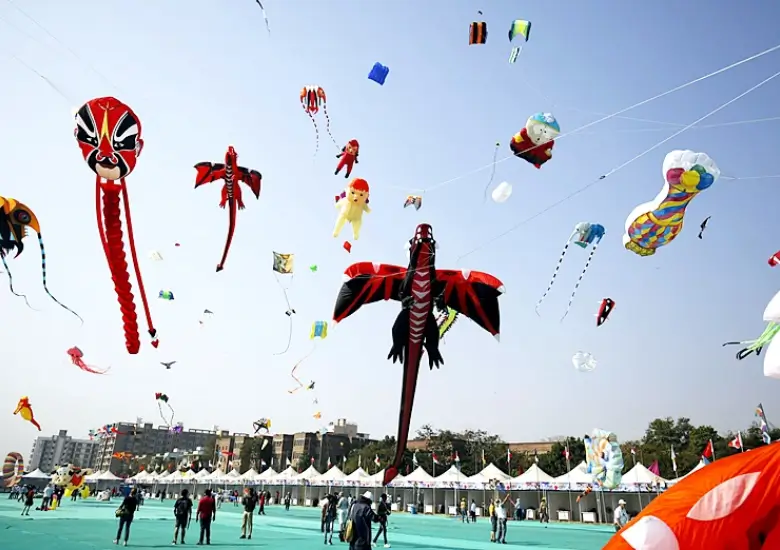
Every January, Jaipur celebrates the International Kite Festival to mark the festival of Makar Sankranti, transforming the city's skyline into a colourful display of thousands of kites. Rooftops across Jaipur come alive as families, local residents and visitors participate in friendly kite-flying competitions that continue throughout the day. The atmosphere is filled with music, traditional food and festive celebrations, making it one of the city's most enjoyable cultural events.
The festival also attracts professional kite flyers from different parts of India and several international countries, who display artistic and uniquely designed kites of various shapes and sizes. For visitors travelling during January, the celebration offers an excellent opportunity to witness a lively local tradition that has remained an important part of Jaipur's cultural identity for generations.
Best Time to Visit: Around 14 January each year during the Makar Sankranti celebrations. Dates may vary slightly depending on the annual festival calendar.
Best Time to Visit Jaipur
Jaipur is a year-round destination, although the most pleasant time for sightseeing is between October and March, when the weather is cool and comfortable for exploring forts, palaces, gardens and bustling local markets. Clear skies and moderate daytime temperatures make this season ideal for walking through the Pink City, visiting Amber Fort and enjoying outdoor attractions. Many of Rajasthan's major cultural festivals also take place during these months, adding colour and vibrancy to the city's royal atmosphere.
The summer season (April to June) is generally hot, with daytime temperatures frequently rising above 40°C. Sightseeing is best planned during the early morning or late afternoon, while the hottest hours of the day are often spent relaxing in museums, heritage hotels, cafés or shopping districts. Despite the higher temperatures, summer remains a quieter period for tourism, and visitors may find attractive accommodation offers at several luxury hotels.
The monsoon season (July to September) brings occasional rainfall that refreshes the surrounding Aravalli Hills and adds a different charm to Jaipur's historic monuments and gardens. Although brief showers may interrupt outdoor activities, the city remains lively, and attractions, museums, restaurants and markets continue to welcome visitors throughout the season.
Tell Us About
Your Vision for India
Share your travel aspirations, and our dedicated destination specialists will curate a bespoke itinerary - thoughtfully designed around your preferences, complete with handpicked recommendations and transparent pricing. Every inquiry is treated with the discretion and attention it deserves, with a detailed response delivered within 24 hours, entirely without obligation.
Where Your India Story Begins
Every remarkable journey through India begins with a conversation. Connect with our specialists today, and allow us to transform your vision into a seamlessly curated, once-in-a-lifetime experience.