
- /
- Destinations
- Mumbai Travel Guide
Mumbai Travel Guide
Mumbai Travel Guide, Tourist Attractions & Tours
Mumbai is India's largest city and the country's financial, commercial and entertainment capital. Situated along the Arabian Sea on the west coast, the city combines a remarkable colonial heritage with a dynamic modern skyline, creating one of the most diverse urban destinations in Asia. Formerly known as Bombay, Mumbai has grown from a collection of seven islands into a global metropolis while preserving architectural landmarks, historic neighbourhoods and cultural traditions that reflect more than three centuries of history.
As the capital of Maharashtra and the home of India's film industry, Mumbai attracts business travellers, artists, filmmakers and tourists from around the world. The city's streets present a fascinating contrast between Victorian Gothic buildings, Art Deco architecture, luxury hotels, colourful markets, historic temples and contemporary skyscrapers. This unique blend of old and new gives Mumbai a distinctive identity unlike any other city in India.
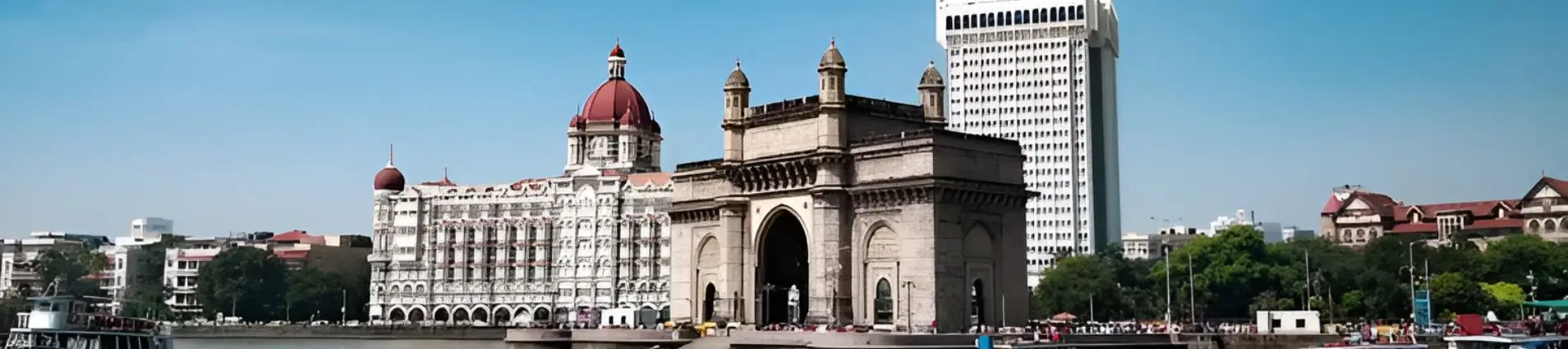
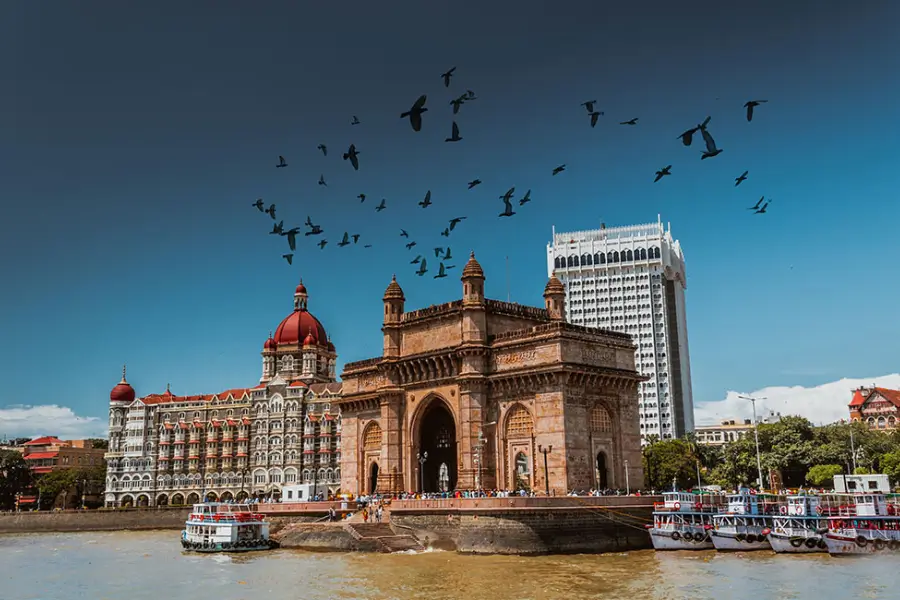
The city's waterfront has become one of its defining features. The iconic Gateway of India, overlooking the Arabian Sea, welcomes visitors arriving by sea and serves as one of the country's most recognised landmarks. Nearby, the elegant Taj Mahal Palace Hotel, bustling Colaba district and ferries to the UNESCO-listed Elephanta Caves introduce visitors to Mumbai's rich historical and cultural heritage. Along the coast, the sweeping curve of Marine Drive, often called the Queen's Necklace, provides one of India's most celebrated urban landscapes.
Mumbai is equally renowned for its cultural diversity. Traditional markets, historic cafés, world-class museums, contemporary art galleries and vibrant street food create an energetic atmosphere throughout the city. As the centre of Bollywood, Mumbai also offers visitors a glimpse into India's internationally renowned film industry through studio tours, cinema landmarks and entertainment venues.
Luxury hospitality plays an important role in the Mumbai experience. The city is home to some of India's finest five-star hotels, award-winning restaurants and exclusive shopping districts. Whether exploring colonial architecture, enjoying a sunset along Marine Drive, visiting UNESCO World Heritage Sites, experiencing the excitement of Bollywood or relaxing in a luxury hotel overlooking the Arabian Sea, Mumbai offers an unforgettable introduction to modern India while preserving the rich heritage that has shaped one of the world's great coastal cities.
Related Tours
 14 Nights / 15 Days
 14 Nights / 15 Days
 10 Nights / 11 Days
 08 Nights / 09 Days
Major Tourist Spots in Mumbai Travel Guide
Gateway of India
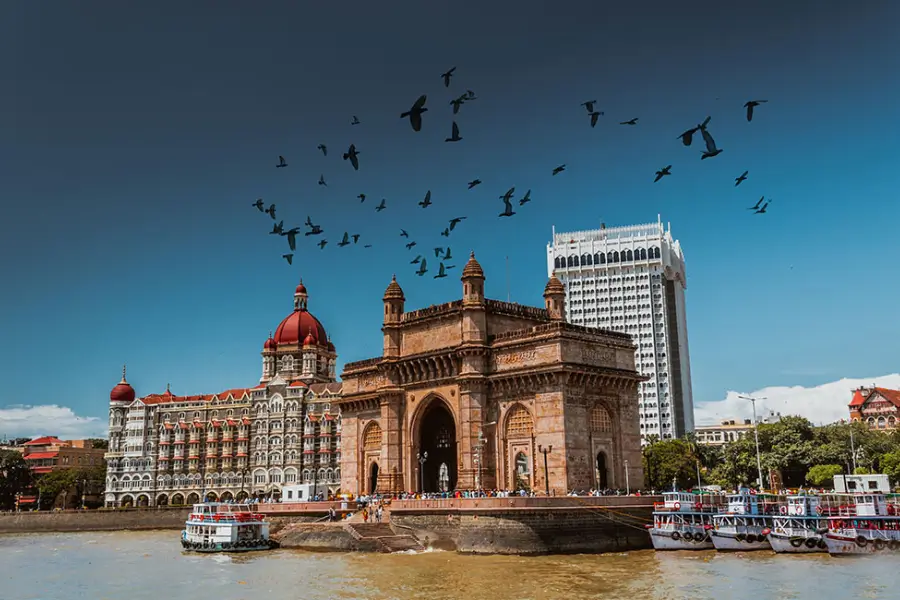
The Gateway of India is Mumbai's most recognisable landmark and one of India's most photographed monuments. Standing proudly on the waterfront at Apollo Bunder overlooking the Arabian Sea, the arch was designed by Scottish architect George Wittet and completed in 1924 to commemorate the visit of King George V and Queen Mary to India in 1911. Constructed from yellow basalt stone, the monument combines Indo-Saracenic, Islamic and Gujarati architectural influences, making it one of Mumbai's finest colonial-era structures.
Over the years, the Gateway of India has witnessed many important moments in Indian history. In 1948, the last British troops ceremonially departed from India through this gateway, symbolising the end of British rule. Today, the monument serves as a gathering place for visitors from around the world while offering spectacular views across Mumbai Harbour.
The plaza surrounding the Gateway of India remains lively throughout the day, with photographers, street performers, local vendors and sightseeing boats creating a vibrant atmosphere. Ferries departing from the jetty also provide access to the famous Elephanta Caves, making the Gateway an ideal starting point for exploring Mumbai's waterfront.
Visiting Hours: Open 24 hours. Early mornings and evenings are the most pleasant times to visit.
Elephanta Caves
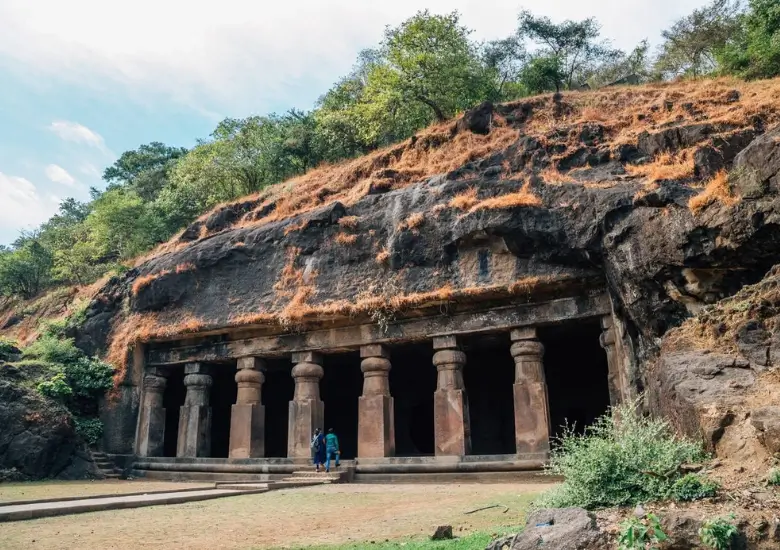
Located on Elephanta Island, approximately 10 kilometres from the Gateway of India, the Elephanta Caves are one of India's most important archaeological sites and a UNESCO World Heritage Site. Dating back to between the fifth and eighth centuries, the rock-cut cave temples are dedicated primarily to Lord Shiva and represent some of the finest examples of early Indian rock-cut architecture and sculpture.
The largest cave contains an extraordinary collection of intricately carved sculptures, the most famous being the magnificent Trimurti, a six-metre-high depiction of Lord Shiva representing creation, preservation and destruction. Visitors can also admire beautifully sculpted panels illustrating Hindu mythology, including Nataraja, Ardhanarishvara and Gangadhara, each displaying remarkable artistic skill that has survived for centuries.
A ferry ride across Mumbai Harbour followed by a short walk or toy train journey leads visitors to the cave complex. Combining scenic coastal views with extraordinary religious art, the Elephanta Caves remain one of Mumbai's most rewarding cultural excursions.
Opening Hours: Tuesday to Sunday, 9:00 AM – 5:00 PM. Closed on Mondays.
Marine Drive
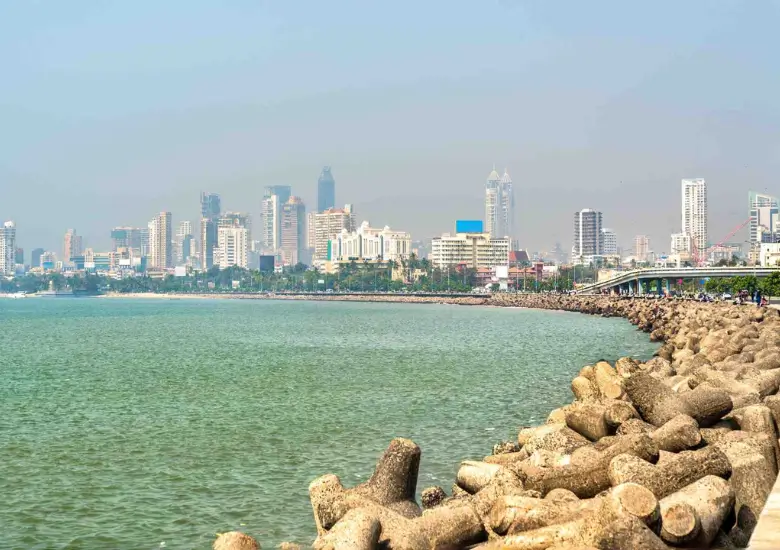
Marine Drive is one of Mumbai's most celebrated waterfront promenades, stretching for approximately 3.6 kilometres along the Arabian Sea between Nariman Point and Girgaum Chowpatty. Constructed during the early twentieth century, the broad boulevard is lined with elegant Art Deco buildings that form part of Mumbai's UNESCO World Heritage-listed Victorian Gothic and Art Deco Ensemble.
The sweeping curve of Marine Drive creates a spectacular view after sunset, when thousands of streetlights illuminate the coastline, giving rise to its famous nickname, the "Queen's Necklace." Residents and visitors gather here every evening to enjoy sea breezes, watch the sunset and experience one of the city's most iconic public spaces.
Morning walks, evening strolls and panoramic views of the Arabian Sea make Marine Drive one of Mumbai's most relaxing attractions. The promenade is also conveniently located near several important landmarks, luxury hotels and cultural institutions.
Visiting Hours: Open 24 hours.
Chhatrapati Shivaji Maharaj Terminus (CST)
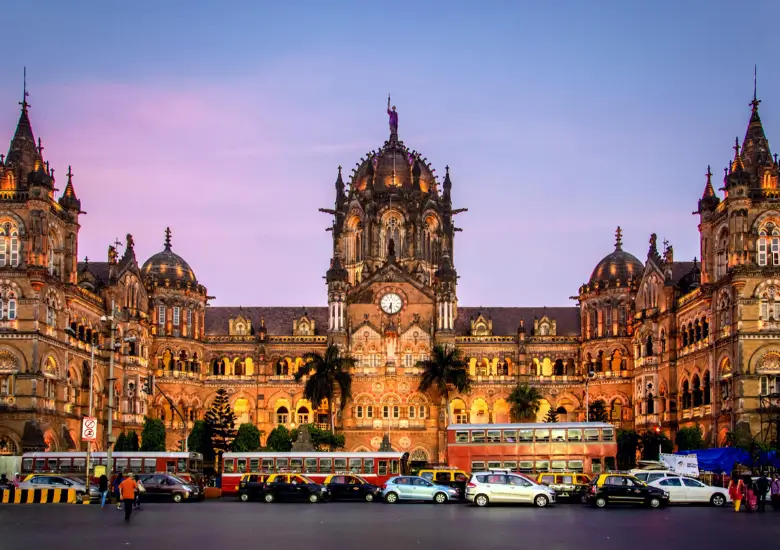
Chhatrapati Shivaji Maharaj Terminus, formerly known as Victoria Terminus, is one of India's greatest architectural masterpieces and a UNESCO World Heritage Site. Completed in 1887 to commemorate Queen Victoria's Golden Jubilee, the station was designed by British architect Frederick William Stevens and combines Victorian Gothic Revival architecture with traditional Indian decorative elements.
Its magnificent façade features soaring domes, stained-glass windows, richly carved stone sculptures and beautifully ornamented interiors that continue to impress architects and visitors alike. Although it remains one of India's busiest railway stations, the building itself is recognised as one of the country's most important examples of nineteenth-century architecture.
Visitors admire the station not only for its historical significance but also for its remarkable craftsmanship and role in Mumbai's daily life. Illuminated beautifully during the evening, CST remains one of the city's most iconic landmarks and an essential stop for travellers interested in architecture and history.
Visiting Hours: Exterior accessible 24 hours. Interior public areas remain open throughout railway operating hours.
Chhatrapati Shivaji Maharaj Vastu Sangrahalaya
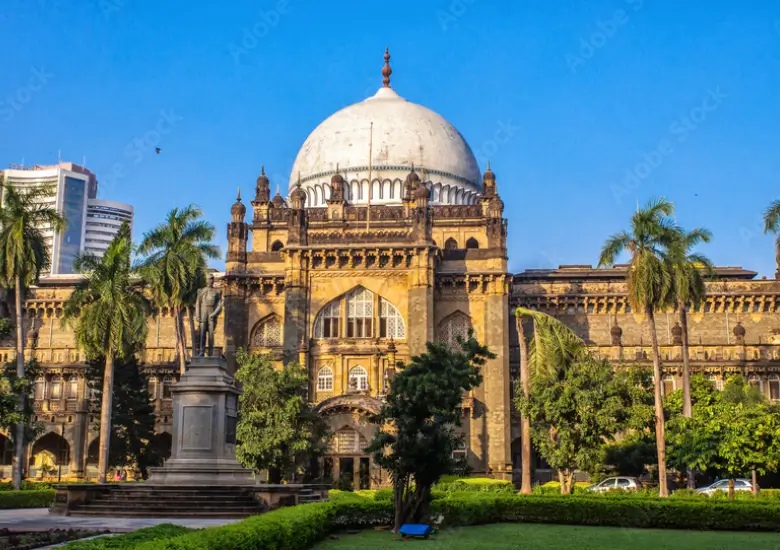
Formerly known as the Prince of Wales Museum, the Chhatrapati Shivaji Maharaj Vastu Sangrahalaya (CSMVS) is one of India's finest museums and an important cultural landmark in Mumbai. Established in 1922, the museum is housed in a magnificent Indo-Saracenic building surrounded by beautifully landscaped gardens near the Gateway of India. Its impressive dome, stone carvings and elegant architecture make the museum itself a significant attraction.
The museum preserves an extensive collection of more than 70,000 artefacts representing Indian history, archaeology, decorative arts, miniature paintings, sculptures, textiles, coins and natural history. Galleries dedicated to ancient civilisations, Buddhist art, Mughal paintings and traditional craftsmanship provide visitors with a comprehensive understanding of India's rich cultural heritage.
For travellers interested in history, art and archaeology, the museum offers an excellent introduction to India's diverse civilisations while complementing visits to Mumbai's colonial landmarks.
Opening Hours: Tuesday to Sunday, 10:15 AM – 6:00 PM. Closed on Mondays.
Colaba Causeway
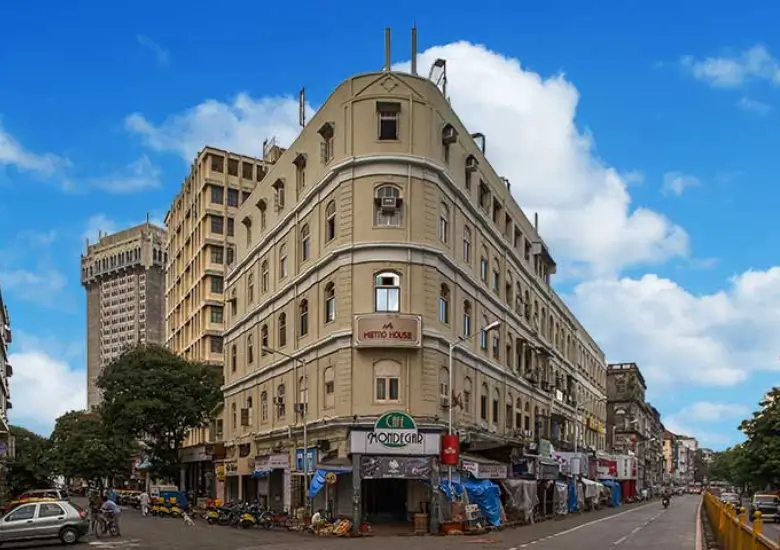
Colaba Causeway is one of Mumbai's most popular shopping streets and a lively destination where historic buildings, cafés, boutiques and street markets create a distinctly cosmopolitan atmosphere. Located close to the Gateway of India, the area has long attracted travellers, artists and local residents looking for fashion, handicrafts, antiques and souvenirs.
The market offers a wide variety of products including handcrafted jewellery, leather goods, traditional textiles, paintings, books, decorative items and locally designed clothing. Alongside the market, visitors will find several historic cafés, international restaurants and art galleries that contribute to Colaba's unique character.
Whether browsing colourful market stalls, enjoying a coffee in a heritage café or simply exploring the neighbourhood's colonial architecture, Colaba Causeway remains one of Mumbai's most enjoyable places to spend an afternoon.
Best Time to Visit: Daily, generally 10:00 AM – 9:00 PM.
Dharavi
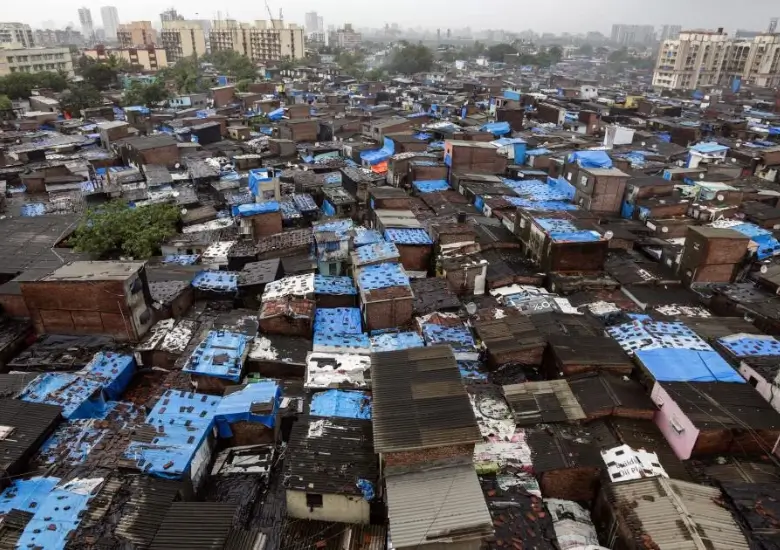
Dharavi is one of Mumbai's most well-known neighbourhoods and a remarkable example of entrepreneurship, craftsmanship and community life. Although often recognised as one of Asia's largest informal settlements, Dharavi is also home to thousands of successful small-scale industries that contribute significantly to Mumbai's economy. Leather workshops, pottery studios, textile units, recycling businesses, bakeries and garment manufacturers operate throughout the area.
Responsible guided tours provide visitors with an opportunity to understand the community's industries, local businesses and daily life while supporting ethical tourism initiatives. These tours focus on education, entrepreneurship and social development rather than poverty, offering valuable insight into the resilience and creativity of the local community.
For travellers interested in understanding another side of Mumbai beyond its famous monuments, Dharavi offers an informative and thought-provoking cultural experience.
Mani Bhavan Gandhi Sangrahalaya
Mani Bhavan is one of Mumbai's most important historical sites and served as Mahatma Gandhi's residence and headquarters between 1917 and 1934 during India's freedom movement. It was from this modest building that Gandhi organised several major campaigns, including the Non-Cooperation Movement, the Khadi Movement and the Civil Disobedience Movement.
Today, the building functions as a museum preserving Gandhi's personal belongings, photographs, letters, books and historical documents. Miniature dioramas illustrate key moments from his life, while the library contains an extensive collection of publications related to India's independence and Gandhian philosophy.
Visitors seeking a deeper understanding of modern Indian history will find Mani Bhavan both educational and inspiring, providing valuable insight into one of the country's most influential leaders.
Opening Hours: Daily, 9:30 AM – 6:00 PM.
Haji Ali Dargah
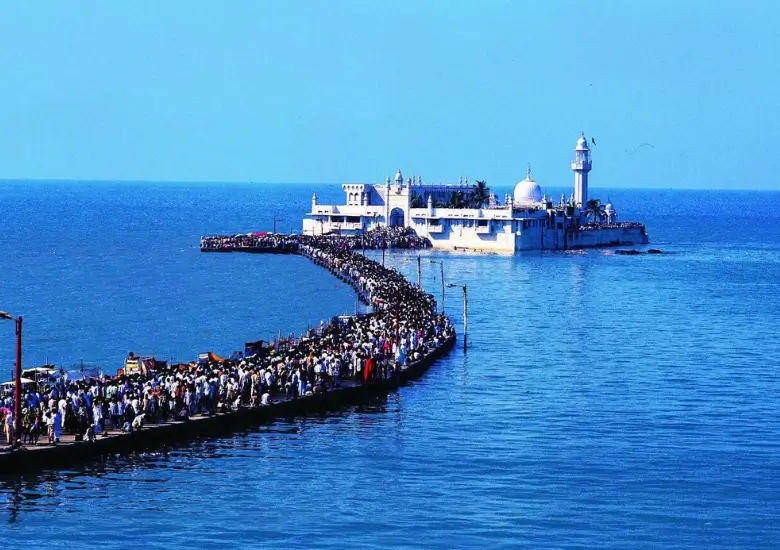
Haji Ali Dargah is one of Mumbai's most revered religious landmarks, located on a small islet in the Arabian Sea just off Worli. Built in 1431, the white marble shrine is dedicated to the Sufi saint Pir Haji Ali Shah Bukhari and welcomes visitors from all faiths. Connected to the mainland by a narrow causeway, the monument appears to float on the sea during high tide, creating one of Mumbai's most recognisable and photographed views.
The beautifully restored complex features elegant Indo-Islamic architecture, marble courtyards, decorative arches and intricate mirror work inside the mausoleum. The peaceful atmosphere, accompanied by devotional music and prayers, attracts thousands of pilgrims and visitors every day. Sunset is considered one of the best times to visit, when the shrine is surrounded by golden light and panoramic views of the Arabian Sea.
Visitors should check the tide schedule before planning their visit, as the causeway is accessible only during low tide.
Opening Hours: Daily, approximately 5:30 AM – 10:00 PM.
Siddhivinayak Temple
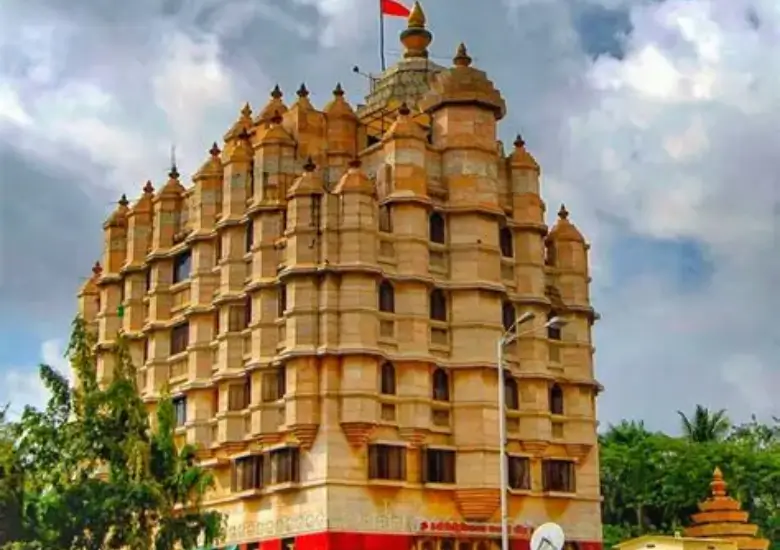
Shree Siddhivinayak Temple is one of Mumbai's most famous Hindu temples and is dedicated to Lord Ganesha, the deity associated with wisdom, prosperity and new beginnings. Established in 1801, the temple attracts millions of devotees every year, including business leaders, film personalities and visitors from around the world seeking blessings.
The temple is admired for its beautifully designed sanctum, gold-plated dome and richly decorated interiors. Tuesdays are considered especially auspicious for worship and draw particularly large numbers of devotees. Despite its popularity, the temple maintains a peaceful and spiritual atmosphere while offering well-organised facilities for visitors.
As one of Mumbai's most important places of worship, Siddhivinayak Temple provides a meaningful insight into the city's religious traditions and daily life.
Opening Hours: Daily, approximately 5:30 AM – 9:50 PM.
Bandra-Worli Sea Link
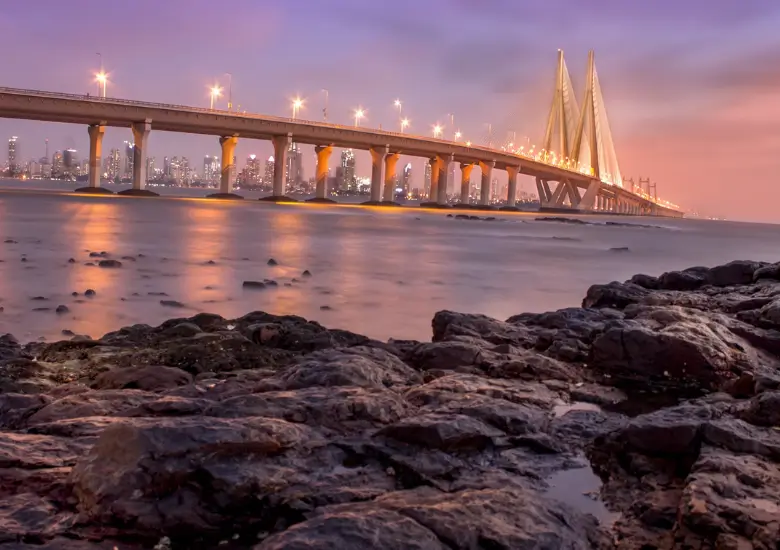
The Bandra-Worli Sea Link is one of Mumbai's greatest engineering achievements and an iconic symbol of the city's modern skyline. Officially known as the Rajiv Gandhi Sea Link, the cable-stayed bridge stretches 5.6 kilometres across Mahim Bay, connecting Bandra with Worli and significantly reducing travel time between Mumbai's western suburbs and South Mumbai.
Its graceful towers and illuminated cables create a spectacular sight after sunset, making it one of the city's most photographed modern landmarks. The bridge is especially impressive when viewed from the Bandra Fort promenade, Worli Sea Face or from the air during flights arriving into Mumbai.
Although pedestrians are not permitted on the bridge, travelling across the Sea Link offers impressive views of the Arabian Sea and Mumbai's coastline, particularly during the evening.
Juhu Beach
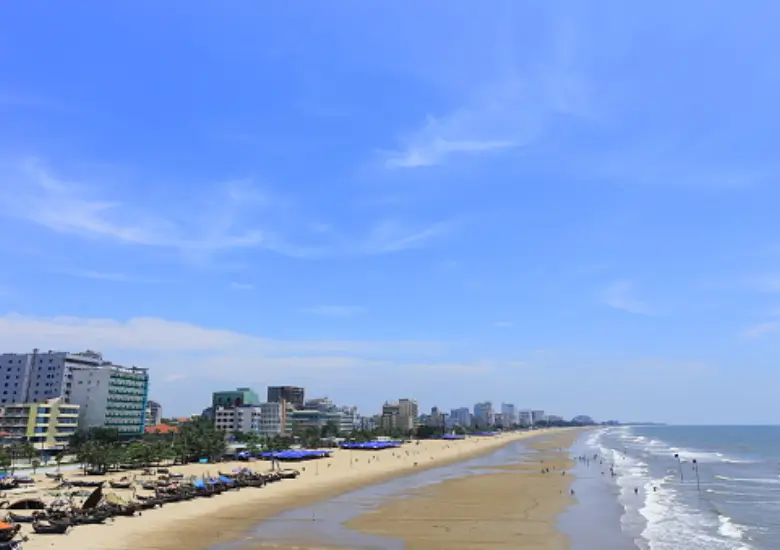
Juhu Beach is one of Mumbai's most popular public beaches and has remained a favourite destination for both residents and visitors for generations. Stretching along the Arabian Sea, the beach is particularly lively during the evenings, when families gather to enjoy the sea breeze, watch the sunset and sample some of Mumbai's most famous street food.
The beach is renowned for local delicacies such as Pav Bhaji, Bhel Puri, Sev Puri, Pani Puri, Vada Pav and fresh coconut water, making it one of the city's best places to experience Mumbai's vibrant food culture. The wide sandy shoreline also provides opportunities for leisurely walks, photography and people-watching.
Several luxury hotels, cafés and restaurants are located nearby, allowing visitors to combine a relaxed beach visit with fine dining or a comfortable stay in one of Mumbai's premier neighbourhoods. Sunset remains the most popular time to experience the lively atmosphere of Juhu Beach.
Visiting Hours: Open 24 hours, with the busiest period from late afternoon until evening.
Bollywood Experience
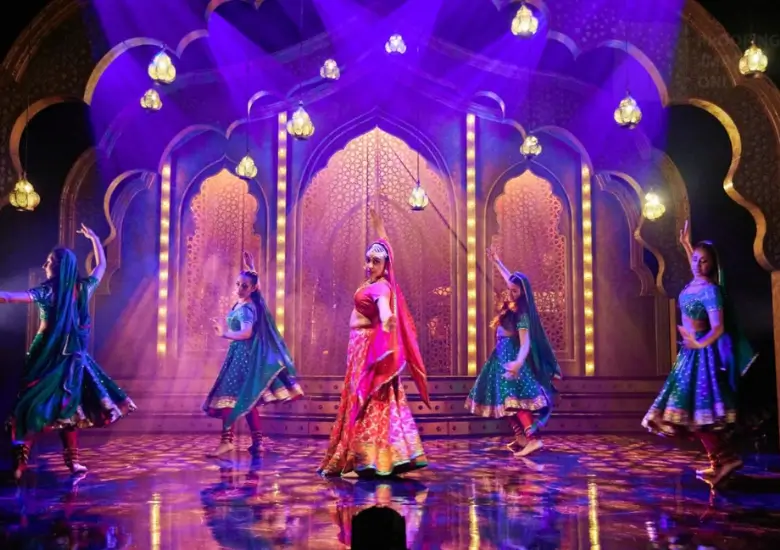
Mumbai is the heart of Bollywood, the world's largest film industry by the number of films produced each year. For more than a century, the city has been the centre of Indian cinema, producing internationally recognised actors, directors and films that have shaped popular culture across the globe. For many international visitors, experiencing Bollywood is an essential part of visiting Mumbai.
Several guided tours offer behind-the-scenes access to working film studios, television production sets, dubbing studios and dance rehearsal spaces. Depending on the production schedule, visitors may even observe live filming, interact with production crews or watch professional dance performances inspired by Bollywood cinema. These tours also provide fascinating insight into the scale, creativity and technology behind India's entertainment industry.
The neighbourhoods of Film City (Goregaon), Bandra, Juhu and Andheri are closely associated with Bollywood and are home to production houses, recording studios and the residences of many well-known actors. For cinema enthusiasts, a Bollywood tour offers a unique perspective on one of India's most influential cultural industries.
Shopping in Mumbai
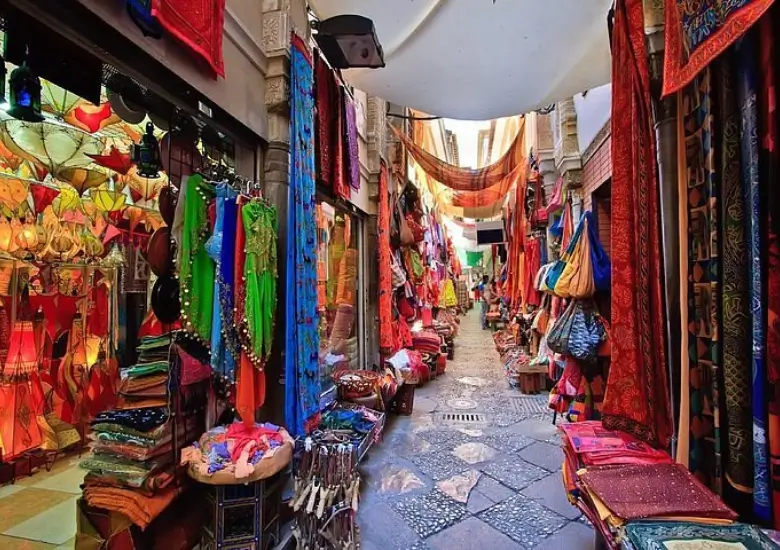
Mumbai is one of India's premier shopping destinations, offering everything from luxury international boutiques and designer labels to bustling traditional markets and artisan stores. The city's diverse retail scene reflects its cosmopolitan character, making it possible to shop for high-end fashion, handcrafted textiles, jewellery, antiques, books, spices and locally designed products within a single day.
Popular shopping areas include Colaba Causeway, Crawford Market, Fashion Street, Linking Road, Hill Road, Chor Bazaar, Phoenix Palladium, Jio World Plaza and High Street Phoenix. Visitors can purchase fine jewellery, handcrafted leather goods, Indian designer fashion, silk garments, home décor, handicrafts and authentic souvenirs representing different regions of India.
Whether browsing colourful street markets or visiting luxury shopping centres featuring international brands, Mumbai offers one of the country's most complete shopping experiences for every style of traveller.
Mumbai Street Food & Local Cuisine

Mumbai's food culture reflects the city's remarkable diversity, bringing together flavours from Maharashtra and every region of India. From traditional Maharashtrian recipes to internationally acclaimed fine dining restaurants, the city offers one of the country's richest culinary experiences.
Among Mumbai's most famous local dishes are Vada Pav, Pav Bhaji, Bhel Puri, Sev Puri, Pani Puri, Misal Pav, Bombay Sandwich, Keema Pav and fresh seafood prepared along the Konkan coast. Historic Irani cafés continue to serve traditional favourites such as Bun Maska and Irani Chai, while luxury restaurants offer refined Indian and international cuisine overlooking the Arabian Sea.
Food lovers will find Mumbai to be one of India's most exciting culinary destinations, where traditional street food and award-winning restaurants exist side by side.
Luxury Hotels in Mumbai
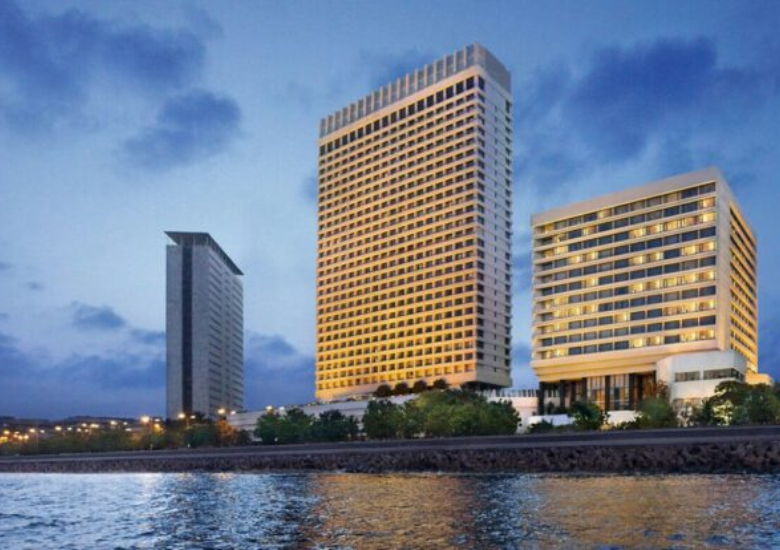
Mumbai is home to some of India's most prestigious luxury hotels, offering exceptional hospitality, fine dining and spectacular views of the Arabian Sea. Many of these properties are located close to the Gateway of India, Marine Drive, Nariman Point and Bandra, providing convenient access to the city's leading attractions while delivering world-class comfort and personalised service.
Among the city's finest luxury hotels are The Taj Mahal Palace, Mumbai, one of India's most iconic heritage hotels overlooking the Gateway of India; The Oberoi, Mumbai, renowned for its elegant rooms and Marine Drive views; The St. Regis Mumbai, celebrated for contemporary luxury and outstanding dining; Four Seasons Hotel Mumbai, offering panoramic city views; The Leela Mumbai, known for its resort-style ambience near the international airport; JW Marriott Mumbai Juhu, overlooking Juhu Beach; and The Taj Lands End, situated on the waterfront at Bandra.
Whether staying in a historic landmark hotel or a modern five-star property, visitors can expect exceptional service, luxurious accommodation and easy access to Mumbai's cultural, commercial and entertainment districts.
Best Time to Visit Mumbai
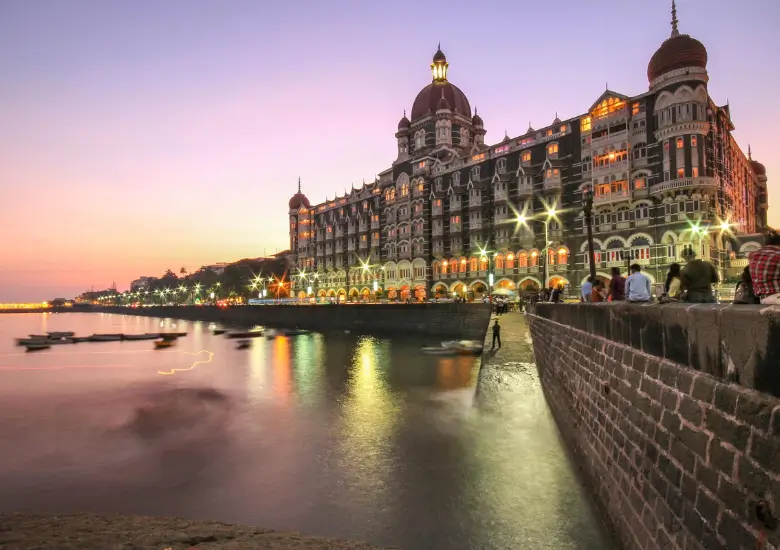
Mumbai is a year-round destination, although the most comfortable season for sightseeing is between October and March, when the weather is warm, relatively dry and ideal for exploring the city's waterfront, heritage districts, museums and outdoor attractions. Pleasant evenings make this the perfect time to enjoy Marine Drive, Gateway of India, Juhu Beach and open-air cafés overlooking the Arabian Sea. This period also coincides with several major cultural events and the peak tourist season.
The summer season (April to June) is warm and humid, with temperatures generally ranging between 30°C and 35°C. Although sightseeing is still possible, many visitors prefer to begin their day early before spending the afternoon in museums, shopping centres, art galleries or luxury hotels. Air-conditioned attractions and coastal breezes make Mumbai comfortable even during the warmer months.
The monsoon season (June to September) transforms Mumbai with dramatic skies, lush greenery and refreshing rainfall. While heavy showers may occasionally affect outdoor sightseeing, the city takes on a unique character during the rains. Marine Drive, Bandra Bandstand and the surrounding coastline become particularly scenic, attracting photographers and visitors who enjoy Mumbai's famous monsoon atmosphere.
Festivals in Mumbai
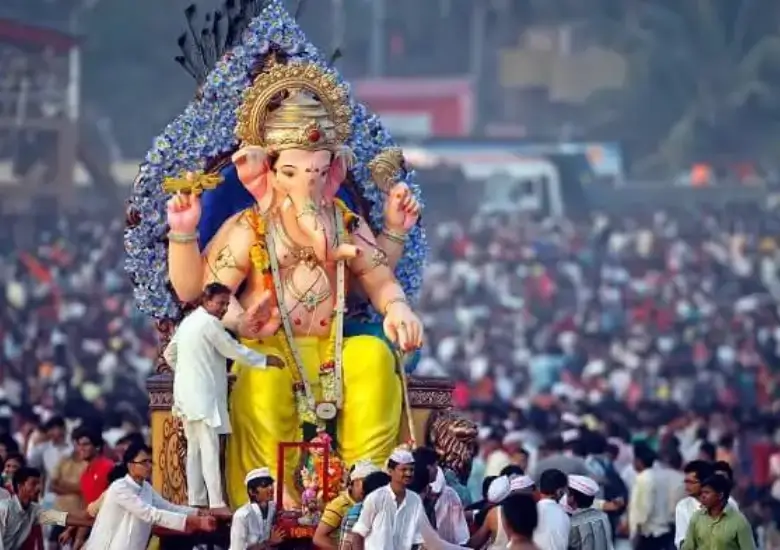
Mumbai celebrates an extraordinary variety of cultural, religious and artistic festivals that reflect its diverse population. The city's most iconic celebration is Ganesh Chaturthi, when beautifully decorated idols of Lord Ganesha are installed across Mumbai before colourful processions accompany their immersion into the Arabian Sea. This festival attracts millions of devotees and visitors every year and represents one of India's most spectacular religious celebrations.
Other major festivals include Diwali, Holi, Eid-ul-Fitr, Christmas, Navratri, Janmashtami and Makar Sankranti, all celebrated with enthusiasm throughout the city. Mumbai also hosts internationally recognised events such as the Kala Ghoda Arts Festival, the Mumbai International Film Festival, the Mumbai Marathon and numerous music, fashion and literary festivals that highlight the city's vibrant cultural scene.
Throughout the year, these celebrations offer visitors an opportunity to experience Mumbai's unique energy, traditions and multicultural character.
Tell Us About
Your Vision for India
Share your travel aspirations, and our dedicated destination specialists will curate a bespoke itinerary - thoughtfully designed around your preferences, complete with handpicked recommendations and transparent pricing. Every inquiry is treated with the discretion and attention it deserves, with a detailed response delivered within 24 hours, entirely without obligation.
Where Your India Story Begins
Every remarkable journey through India begins with a conversation. Connect with our specialists today, and allow us to transform your vision into a seamlessly curated, once-in-a-lifetime experience.