
- /
- Destinations
- Varanasi Travel Guide
Varanasi Travel Guide
Varanasi Travel Guide, Ghats, Temples & Tours
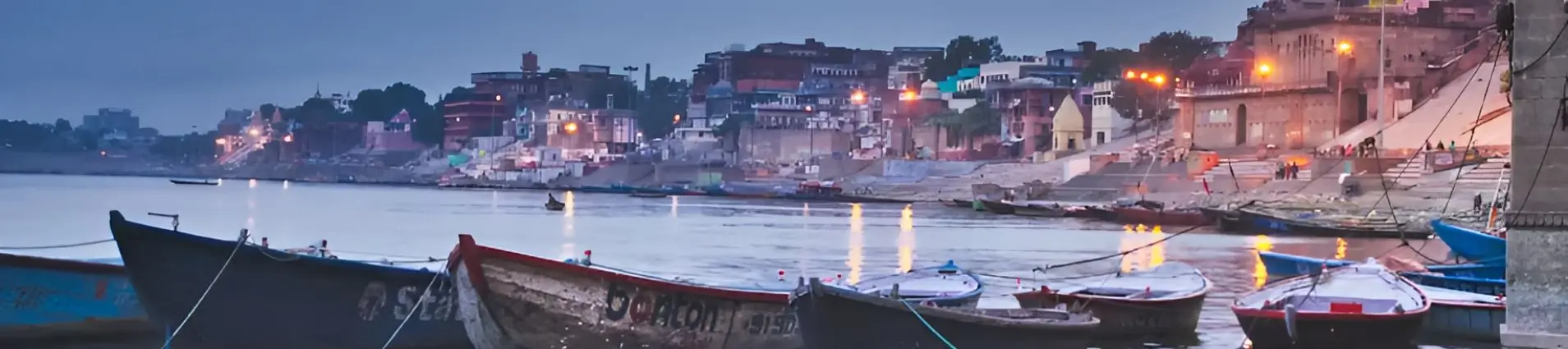
Varanasi is one of the world's oldest continuously inhabited cities and the spiritual heart of India. Situated on the banks of the sacred River Ganges in the state of Uttar Pradesh, the city has attracted pilgrims, scholars, saints and travellers for more than three thousand years. Known by several names, including Kashi and Banaras, Varanasi occupies a unique place in Indian civilisation, where religion, philosophy, music, art and daily life continue to coexist in an atmosphere unlike anywhere else in the world.
For millions of Hindus, Varanasi is the holiest city in India. It is believed that bathing in the sacred waters of the Ganges washes away sins, while dying in Varanasi is said to bring liberation from the cycle of birth and rebirth. Every day, thousands of pilgrims gather along the city's historic ghats to perform rituals, offer prayers and participate in ceremonies that have remained largely unchanged for centuries. These ancient stone steps leading to the river have become some of India's most iconic cultural landscapes.
Beyond its profound spiritual significance, Varanasi is also a city of remarkable historical and artistic importance. Narrow winding lanes reveal centuries-old temples, traditional silk weaving workshops, historic palaces, bustling markets and small shrines tucked between ancient buildings. The city's cultural traditions continue through classical Indian music, Sanskrit learning, religious festivals and generations of skilled artisans producing the world-famous Banarasi silk.
Just a short drive from the old city lies Sarnath, where Lord Buddha delivered his first sermon after attaining enlightenment more than 2,500 years ago. This sacred Buddhist site attracts pilgrims from around the world and adds another important dimension to Varanasi's rich religious heritage.
Whether watching the sunrise over the Ganges, witnessing the spectacular evening Ganga Aarti, exploring centuries-old temples, discovering traditional silk weaving or simply observing life along the river, Varanasi offers one of the most profound cultural experiences in India. Its timeless traditions, sacred atmosphere and extraordinary heritage leave a lasting impression on every visitor, making it one of the country's most remarkable destinations.
Related Tours
 10 Nights / 11 Days
 10 Nights / 11 Days
 14 Nights / 15 Days
 10 Nights / 11 Days
Major Tourist Spots in Varanasi Travel Guide
Kashi Vishwanath Temple
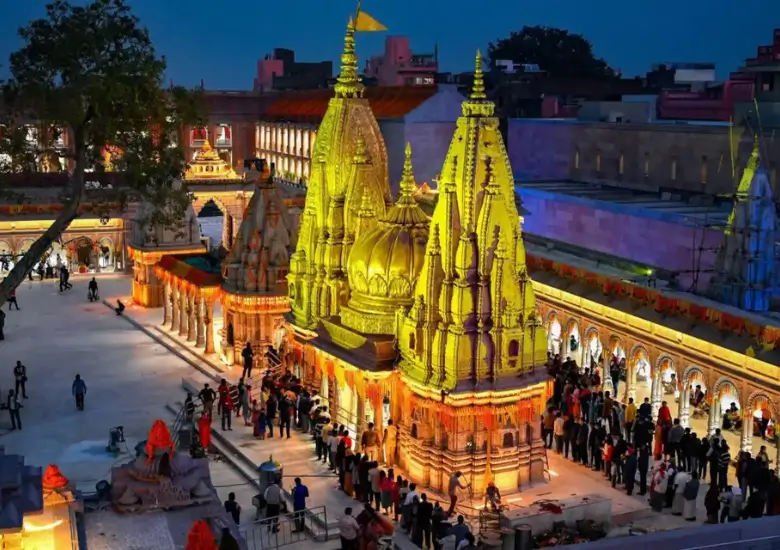
Kashi Vishwanath Temple is one of the most sacred Hindu temples in India and the spiritual centre of Varanasi. Dedicated to Lord Shiva, the temple is counted among the Twelve Jyotirlingas, making it one of the holiest pilgrimage sites for devotees across the world. For centuries, pilgrims have travelled to Varanasi to offer prayers at this revered shrine, believing that a visit to Kashi Vishwanath brings spiritual blessings and liberation.
The present temple was rebuilt in 1780 by Maharani Ahilyabai Holkar of Indore, while its magnificent gold-plated spire and domes were later donated by Maharaja Ranjit Singh of Punjab. In recent years, the development of the Kashi Vishwanath Corridor has transformed the surrounding area, creating spacious pathways that connect the temple directly with the Ganges, making access far more convenient for pilgrims and visitors.
The temple remains an active place of worship throughout the day, with devotional chants, rituals and ceremonies creating a deeply spiritual atmosphere. Visitors are advised to dress modestly and follow the temple's security procedures, as entry regulations are strictly observed.
Opening Hours: Daily, approximately 3:00 AM – 11:00 PM (darshan timings vary during rituals and festivals).
Dashashwamedh Ghat & Ganga Aarti
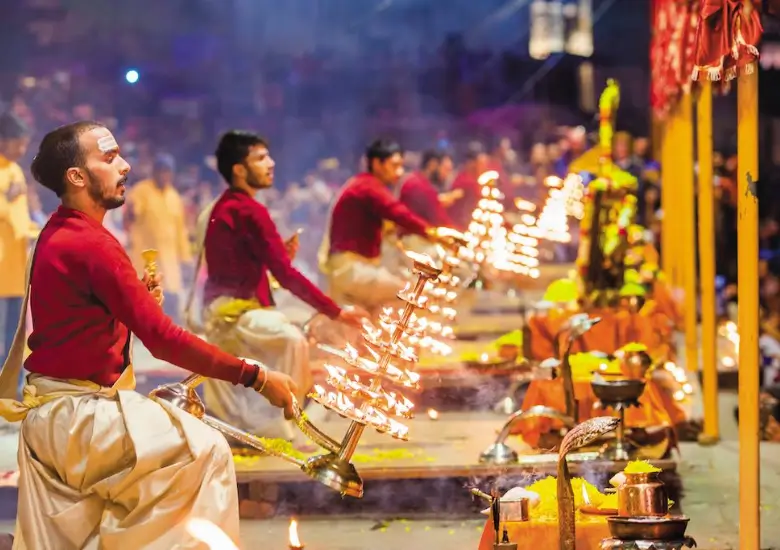
Dashashwamedh Ghat is the most famous and vibrant of Varanasi's many riverfront ghats. According to Hindu tradition, Lord Brahma performed ten horse sacrifices (Dashashwamedh Yajna) at this sacred location, giving the ghat its name. Today, it remains the centre of religious activity in Varanasi, where pilgrims gather throughout the day to perform rituals, offer prayers and take holy baths in the River Ganges.
Every evening, the ghat hosts the world-famous Ganga Aarti, one of India's most spectacular spiritual ceremonies. Young priests dressed in traditional attire perform synchronised rituals using large brass lamps, incense, conch shells and sacred chants while thousands of devotees and visitors gather along the riverbank or watch from boats on the Ganges. The combination of devotional music, fire rituals and the illuminated river creates an unforgettable atmosphere that represents the spiritual essence of Varanasi.
Arriving at least an hour before sunset is recommended to secure a good viewing position. Watching the ceremony from a boat on the Ganges provides one of the most memorable experiences in the city.
Ganga Aarti: Held daily at sunset (timings vary slightly throughout the year).
Sunrise Boat Ride on the Ganges
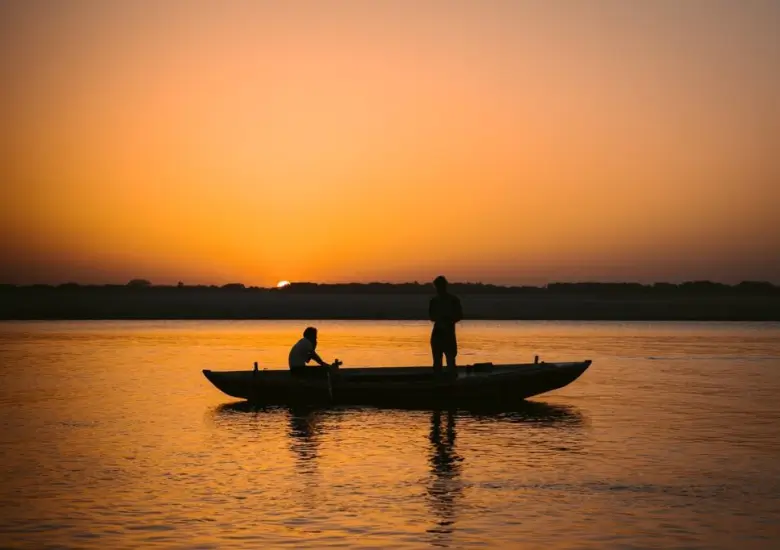
A sunrise boat ride along the River Ganges is widely regarded as the most memorable experience in Varanasi. As the first rays of sunlight illuminate the historic ghats, the city gradually comes to life with pilgrims performing morning prayers, priests chanting ancient hymns, students practising yoga and devotees taking ritual baths in the sacred river. The peaceful atmosphere offers a remarkable contrast to the city's busy streets.
The journey passes many of Varanasi's most important ghats, including Assi Ghat, Dashashwamedh Ghat, Manikarnika Ghat, Harishchandra Ghat and numerous historic palaces and temples lining the riverfront. Local guides often explain the religious significance of each ghat, providing visitors with a deeper understanding of the city's traditions and centuries-old customs.
For photographers, the early morning light creates exceptional opportunities to capture the timeless beauty of Varanasi. Whether travelling by traditional wooden rowboat or a larger motorised vessel, a sunrise cruise offers an unforgettable introduction to India's spiritual capital.
Sarnath
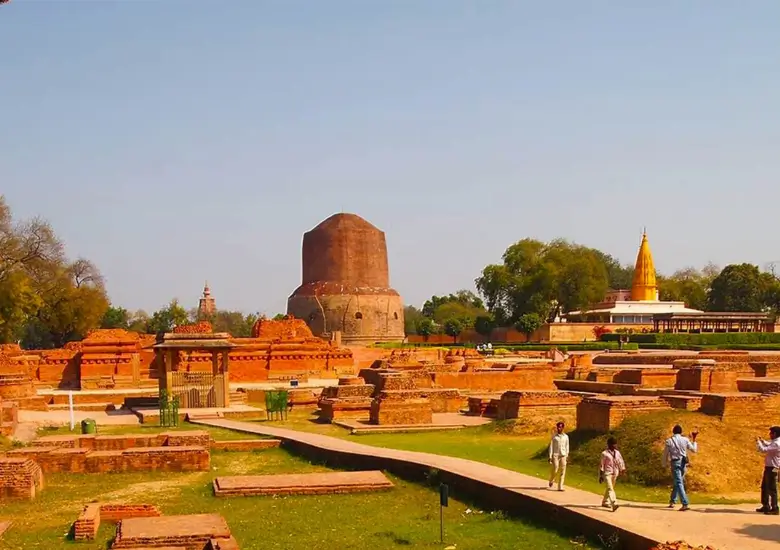
Located approximately 10 kilometres from Varanasi, Sarnath is one of Buddhism's most sacred pilgrimage destinations. It was here, shortly after attaining enlightenment at Bodh Gaya, that Lord Buddha delivered his first sermon, introducing the teachings that would later spread across Asia. For Buddhists around the world, Sarnath ranks alongside Bodh Gaya, Lumbini and Kushinagar as one of the four most important pilgrimage sites.
The archaeological complex includes the impressive Dhamek Stupa, believed to mark the location of Buddha's first sermon, the remains of ancient monasteries, the Ashoka Pillar site and the Archaeological Museum, which houses the famous Lion Capital of Ashoka, India's national emblem. Beautiful monasteries built by Buddhist communities from Thailand, Japan, Sri Lanka, Myanmar and Tibet further enrich the spiritual atmosphere of the area.
Sarnath provides a peaceful contrast to the busy streets of Varanasi and offers visitors an opportunity to explore one of the world's most important centres of Buddhist history and philosophy.
Opening Hours: Archaeological Site: Daily, Sunrise – Sunset.
Sarnath Museum: 9:00 AM – 5:00 PM, closed on Fridays.
Assi Ghat
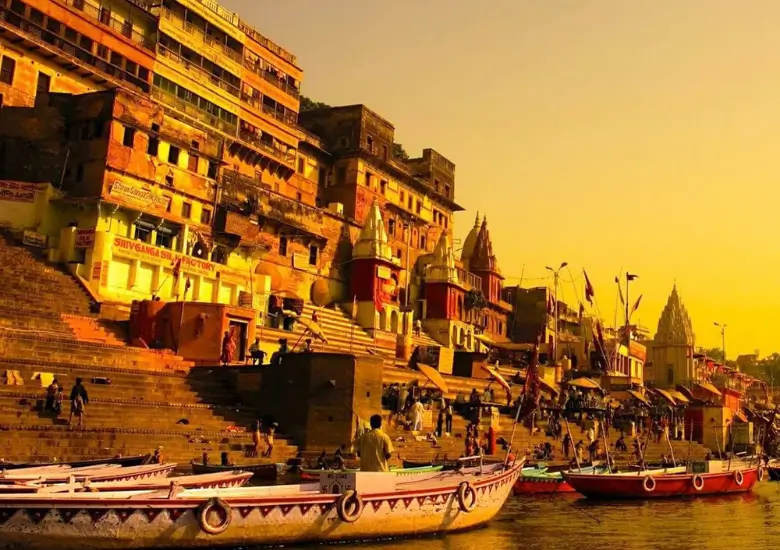
Assi Ghat is one of Varanasi's oldest and most popular riverfront ghats, situated at the point where the Assi River meets the sacred River Ganges. Compared with the busier central ghats, Assi Ghat offers a more relaxed atmosphere while remaining an important centre for religious ceremonies, yoga sessions and cultural activities. Pilgrims, students, visitors and local residents gather here from early morning until late evening, creating a lively yet peaceful environment.
The ghat is particularly well known for its Subah-e-Banaras programme, a daily morning celebration featuring Vedic chants, classical music, yoga and devotional prayers as the sun rises over the Ganges. Throughout the day, visitors can enjoy leisurely walks along the river, observe traditional rituals or relax in one of the nearby cafés overlooking the water.
Assi Ghat is also an excellent starting point for sunrise boat rides and provides a quieter alternative for visitors wishing to experience the spiritual atmosphere of Varanasi away from the largest crowds.
Manikarnika Ghat
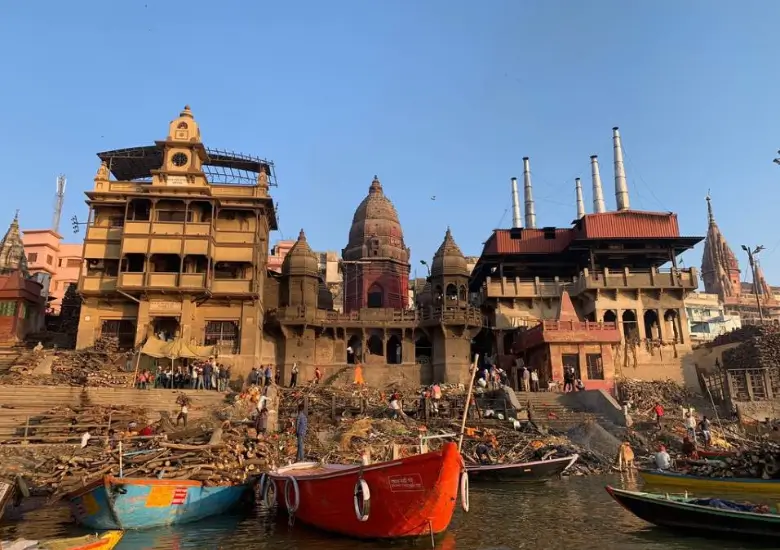
Manikarnika Ghat is the oldest and most sacred cremation ghat in Varanasi and holds immense religious significance in Hinduism. According to ancient beliefs, cremation at this ghat allows the soul to attain moksha, or liberation from the cycle of birth and rebirth. For this reason, funerary ceremonies have been performed here continuously for centuries, making it one of the most spiritually important places in India.
The sacred funeral rites are conducted with deep religious devotion and form an essential part of Varanasi's cultural identity. Visitors are welcome to observe respectfully from a distance, but photography and intrusive behaviour are considered inappropriate. Local guides can help explain the religious traditions and customs associated with the ghat, allowing visitors to understand its profound spiritual significance.
Although it presents a solemn experience, Manikarnika Ghat offers valuable insight into Hindu philosophy, illustrating the beliefs surrounding life, death and spiritual liberation that have shaped Varanasi for thousands of years.
Ramnagar Fort
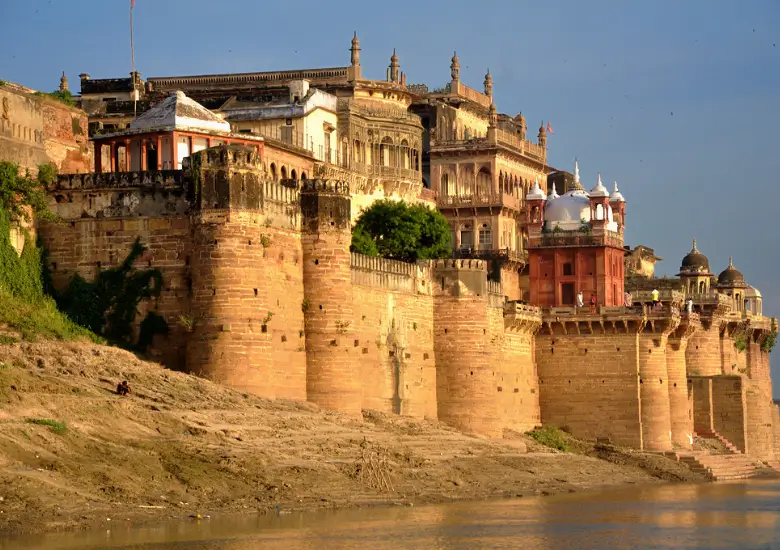
Located on the eastern bank of the River Ganges, directly opposite Varanasi, Ramnagar Fort was built in 1750 by Maharaja Balwant Singh, the ruler of Kashi. Constructed from warm sandstone in the Mughal architectural style, the fort continues to serve as the residence of the former royal family of Varanasi while preserving an important chapter of the city's royal history.
The fort houses an interesting museum displaying royal costumes, vintage automobiles, antique weapons, manuscripts, ivory collections, silver palanquins, clocks and ceremonial objects once used by the Maharajas of Kashi. Although parts of the fort show their age, the collections provide a fascinating glimpse into the lifestyle of one of India's oldest royal families.
From the riverside, the fort offers beautiful views across the Ganges towards the ancient skyline of Varanasi, particularly during sunrise and sunset.
Opening Hours: Daily, 10:00 AM – 5:00 PM.
Banarasi Silk Weaving
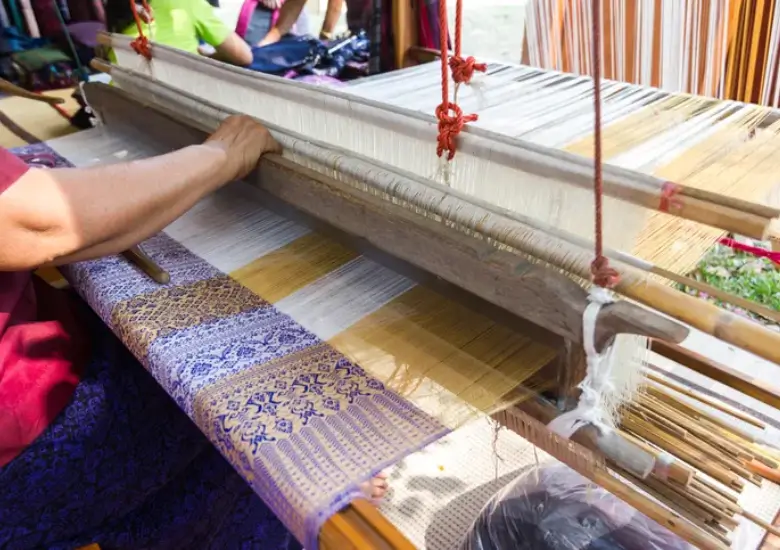
Varanasi has been famous for its silk weaving for centuries, producing the world-renowned Banarasi Silk Sarees, regarded among the finest textiles in India. Master craftsmen continue to weave intricate brocade fabrics using traditional techniques that have been passed down through generations. Fine silk threads combined with gold and silver zari work create luxurious textiles admired for their exceptional craftsmanship and timeless elegance.
Visitors can tour traditional weaving workshops to observe artisans working on handlooms, often spending several weeks or even months completing a single masterpiece. These visits provide valuable insight into the skill, patience and artistic heritage behind one of India's most celebrated handicrafts.
Purchasing authentic Banarasi silk directly from recognised weaving centres and government-approved emporiums supports local artisan communities while providing visitors with a meaningful and enduring souvenir of Varanasi.
Shopping in Varanasi
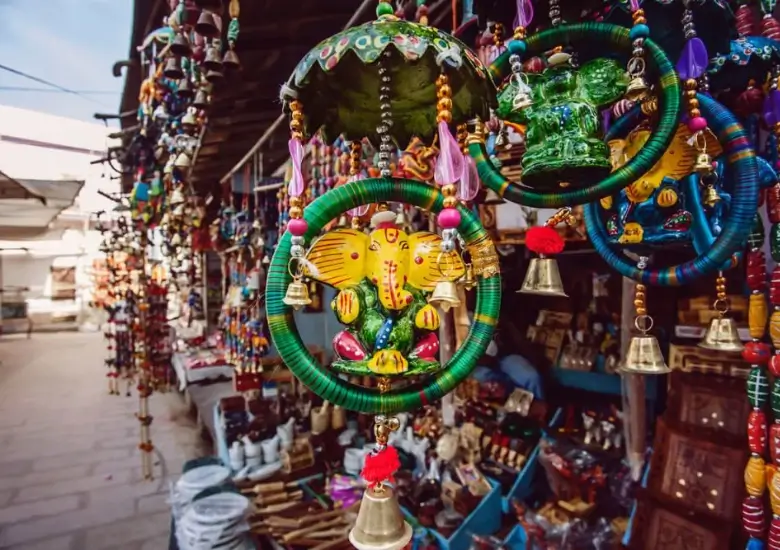
Varanasi is one of India's oldest trading cities and remains a wonderful destination for traditional handicrafts, textiles and religious artefacts. Its bustling markets are filled with centuries-old family businesses where artisans continue to produce silk fabrics, brassware, wooden toys, stone carvings and handcrafted souvenirs using traditional techniques. Walking through these lively bazaars offers visitors an authentic glimpse into the city's commercial heritage and everyday life.
Among the most popular shopping areas are Godowlia Market, Vishwanath Gali, Thatheri Bazaar, Chowk, and Madanpura, the heart of Varanasi's silk weaving industry. Visitors can browse authentic Banarasi silk sarees, handwoven scarves, brass lamps, copper utensils, Rudraksha beads, wooden handicrafts, miniature paintings, incense and beautifully crafted religious items.
Shopping in Varanasi is as much about experiencing the city's traditions as purchasing souvenirs, with many workshops welcoming visitors to observe artisans practising skills that have been preserved for generations.
Traditional Cuisine of Varanasi
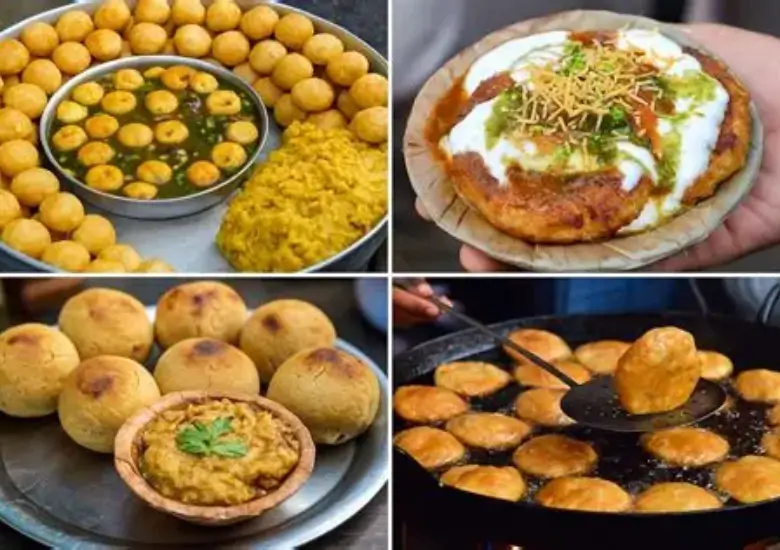
Varanasi's culinary heritage reflects centuries of tradition, offering flavours that are deeply connected with the city's culture and daily life. From small family-run eateries hidden within ancient lanes to historic sweet shops and traditional cafés, the city presents a wide variety of authentic North Indian dishes prepared using recipes that have remained unchanged for generations.
Among the city's best-known specialities are Kachori Sabzi, Tamatar Chaat, Baati Chokha, Malaiyyo (available during winter), Banarasi Paan, Lassi, Jalebi, Rabri and a variety of traditional sweets. Visitors will also find numerous vegetarian restaurants serving classic dishes alongside local street food that has become an essential part of the Varanasi experience.
Sampling these traditional flavours while exploring the old city's narrow streets offers an enjoyable introduction to the region's culinary heritage.
Luxury Hotels in Varanasi
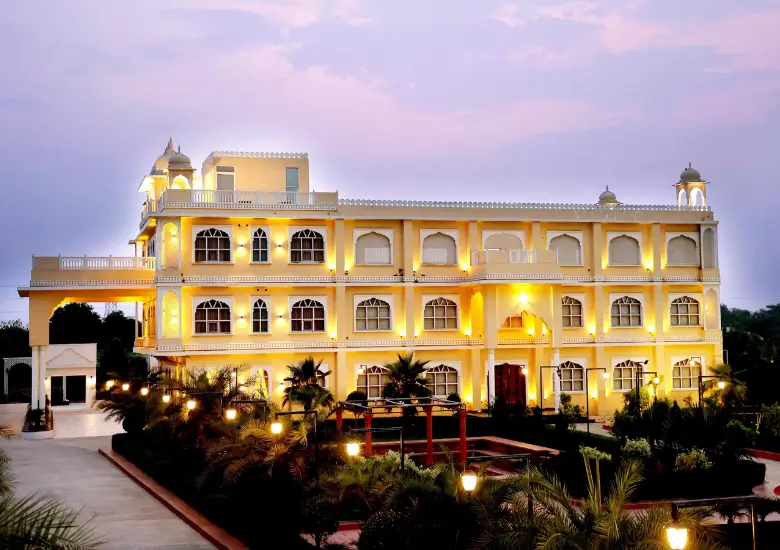
Varanasi offers an excellent selection of luxury hotels that combine modern comfort with the city's timeless spiritual atmosphere. Many premium properties are located close to the River Ganges or within easy reach of the major temples and historic ghats, providing an ideal base for sightseeing while offering exceptional hospitality and personalised service.
Among the city's finest luxury accommodations are Taj Ganges, Varanasi, surrounded by beautifully landscaped gardens; BrijRama Palace, a restored eighteenth-century palace overlooking the Ganges; Radisson Hotel Varanasi, known for its contemporary comfort and convenient location; Ramada Plaza by Wyndham JHV Varanasi, offering spacious accommodation and modern facilities; Hotel Clarks Varanasi, one of the city's long-established luxury hotels; and Tree of Life Resort & Spa, Varanasi, providing a peaceful retreat on the outskirts of the city.
Whether choosing a riverside heritage palace or a contemporary five-star hotel, visitors can expect refined hospitality, excellent dining and convenient access to Varanasi's most important cultural and spiritual landmarks.
Best Time to Visit Varanasi
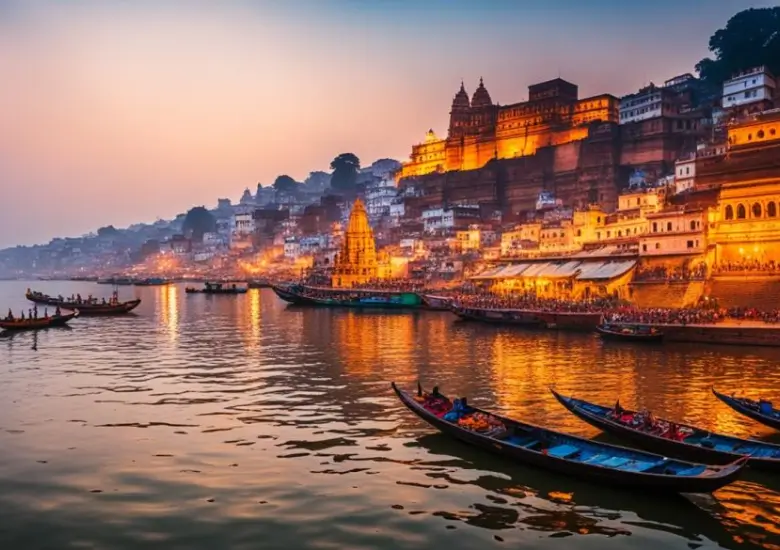
Varanasi can be visited throughout the year, although the most pleasant season for sightseeing is between October and March, when the weather remains cool and comfortable for exploring the ghats, temples and historic streets. Clear mornings provide ideal conditions for sunrise boat rides, while pleasant evenings allow visitors to comfortably attend the famous Ganga Aarti along the River Ganges.
The summer season (April to June) is generally hot, with daytime temperatures frequently exceeding 40°C. Visitors travelling during this period often begin sightseeing early in the morning before returning to their hotel during the hottest part of the day. Even during summer, the city's spiritual activities continue uninterrupted.
The monsoon season (July to September) brings seasonal rainfall that raises the water level of the Ganges and adds freshness to the surrounding landscape. Although occasional showers may affect outdoor sightseeing, the city retains its vibrant spiritual atmosphere throughout the season.
Tell Us About
Your Vision for India
Share your travel aspirations, and our dedicated destination specialists will curate a bespoke itinerary - thoughtfully designed around your preferences, complete with handpicked recommendations and transparent pricing. Every inquiry is treated with the discretion and attention it deserves, with a detailed response delivered within 24 hours, entirely without obligation.
Where Your India Story Begins
Every remarkable journey through India begins with a conversation. Connect with our specialists today, and allow us to transform your vision into a seamlessly curated, once-in-a-lifetime experience.